King Size Orange
Helichrysum bracteatum
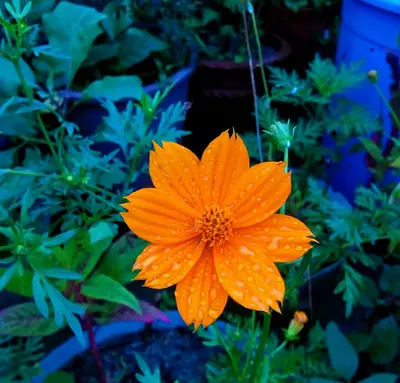
Tall, well-branched plants produce double flowers 2-2 1/2" across. Blooms are fiery orange with hints of red and gold. Also known as bracted strawflower.
Harvest
75-85d
Days to harvest
Sun
Full sun
Zones
1–11
USDA hardiness
Height
2.5–3 feet
Planting Timeline
Showing dates for King Size Orange in USDA Zone 7
All Zone 7 flower →Zone Map
Click a state to update dates
King Size Orange · Zones 1–11
Growing Details
Succession Planting
King Size Orange blooms continuously once it's going, so one well-timed planting handles most needs. If you're growing it as a cut flower and want steady harvests rather than one big flush in August, start a second tray of seeds indoors 5 weeks after your first and transplant that batch around mid-May. Don't push direct sowings past late June in zone 7 — the variety needs at least 75 days to hit peak bloom, and anything sown after July 1 risks getting caught by the first frost before it gets there.
Complete Growing Guide
Tall, well-branched plants produce double flowers 2-2 1/2" across. Blooms are fiery orange with hints of red and gold. Also known as bracted strawflower. According to Johnny's Selected Seeds, King Size Orange is 75 - 85 days to maturity, annual, open pollinated. Notable features: Use for Cut Flowers and Bouquets, Ideal for Drying and Crafts.
Soil: Loam (Silt). Soil pH: Acid ( 6.0), Alkaline ( 8.0), Neutral (6.0-8.0). Drainage: Good Drainage, Moist, Occasionally Dry. Height: zer-oh-KRIS-um brak-tee-AH-tum. Spread: zer-oh-KRIS-um brak-tee-AH-tum. Growth rate: Medium. Propagation: Seed, Stem Cutting. Regions: Coastal.
Harvesting
King Size Orange reaches harvest at 75 - 85 days from sowing per Johnny's Selected Seeds. Expect 2-2 1/2" at peak. As an annual, harvest continues until frost ends the season.
This is an ornamental variety — not grown for harvest. Enjoy in the garden landscape.
Storage & Preservation
Fresh-cut King Size Orange blooms last 2–3 weeks in a vase with fresh water and floral preservative, far longer than typical cut flowers. For drying, harvest fully open blooms and hang upside-down in small bundles in a dark, dry location with good air circulation; drying takes 1–2 weeks. Once dry, store in airtight containers away from direct light and humidity—properly dried blooms remain vibrant and crisp for 12+ months, making them exceptional for winter arrangements, wreaths, and craft projects. No special preservation methods are needed beyond air-drying; the papery structure resists moisture naturally.
History & Origin
King Size Orange is open-pollinated, meaning seed saved from healthy plants will produce true-to-type offspring. Listed in the Johnny's Selected Seeds catalog.
Australia
Advantages
- +Vibrant fiery orange blooms with red and gold hints create striking visual impact
- +Double flowers at 2-2.5 inches are impressively large for strawflower varieties
- +Well-branched plants produce abundant blooms perfect for cutting and arrangements
- +Quick 75-85 day maturity allows multiple plantings in one growing season
- +Beginner-friendly easy difficulty makes King Size Orange accessible to novice gardeners
Considerations
- -Tall growth habit requires staking or support in windy garden locations
- -Strawflowers are prone to powdery mildew in humid or poorly ventilated areas
- -Dead flowers must be regularly removed to encourage continuous blooming throughout season
- -Requires well-draining soil and struggles in heavy clay or waterlogged conditions
Companion Plants
Marigolds — French types like 'Petite Gold' in particular — deter aphids and whiteflies through scent compounds in their foliage, while nasturtiums act as a trap crop, drawing aphids onto themselves before those populations migrate to your strawflowers. Zinnias and cosmos make sense as immediate neighbors because they share identical cultural requirements: full sun, warm soil above 60°F, and a light hand with water once established, so you're not managing conflicting irrigation schedules. Around here in the zone 7 Georgia heat, tucking sweet alyssum along the border pays off — its small flowers run from May through October and pull in parasitic wasps (Braconidae) that work through soft-bodied pest populations. Skip fennel anywhere near this bed; it releases allelopathic compounds from its roots that visibly stunt neighboring annuals within a season, and black walnut's juglone toxicity makes that ground a poor choice for most ornamentals regardless of what you pair it with.
Plant Together
Marigolds
Repel nematodes and aphids while attracting beneficial insects
Nasturtiums
Act as trap crops for aphids and cucumber beetles, attract pollinators
Zinnias
Attract butterflies and beneficial predatory insects, complement orange blooms
Sweet Alyssum
Attracts hover flies and parasitic wasps that control garden pests
Petunias
Repel aphids, tomato hornworms, and squash bugs naturally
Cosmos
Attract beneficial insects and provide structural support in mixed plantings
Lavender
Repels moths, fleas, and mosquitoes while attracting bees and butterflies
Sunflowers
Attract pollinators and beneficial birds, provide natural windbreak
Keep Apart
Black Walnut
Produces juglone which is toxic to many flowering plants and stunts growth
Eucalyptus
Releases allelopathic compounds that inhibit germination and growth of nearby plants
Fennel
Inhibits growth of most garden plants through allelopathic root secretions
Troubleshooting King Size Orange
What you'll see, why it happens, and what to do about it.
Stems rotting at soil level, seedlings collapsing in the first 2–3 weeks after transplant
Likely Causes
- Damping off (Pythium or Rhizoctonia spp.) — fungal pathogens that thrive in cold, waterlogged soil
- Overwatering during establishment before roots have spread
What to Do
- 1.Let the top inch of soil dry out between waterings — strawflowers don't want wet feet, even young ones
- 2.Work perlite or coarse sand into the bed before planting to open up drainage
- 3.If starting indoors, run a small fan near seedlings to dry the medium surface between waterings and cut the humidity at root level
Powdery gray-white coating on leaves mid-season, usually showing up after a stretch of humid nights
Likely Causes
- Powdery mildew (Erysiphe cichoracearum) — favored by high humidity with dry daytime conditions, common in late summer
- Plants crowded closer than 18 inches, reducing airflow between stems
What to Do
- 1.Strip and trash the worst-affected leaves — don't compost them
- 2.Spray foliage with a diluted baking soda solution (1 tablespoon per gallon of water) or a potassium bicarbonate product early in the morning so leaves dry before nightfall
- 3.Next season, hold to the full 24-inch spacing and switch to drip or base watering to keep foliage dry
Frequently Asked Questions
How long does King Size Orange strawflower take to grow from seed to bloom?▼
Is King Size Orange a good strawflower for beginners?▼
Can you grow King Size Orange strawflower in containers?▼
How should I harvest and preserve King Size Orange for dried arrangements?▼
What's the difference between King Size Orange and other strawflower varieties?▼
When should I pinch King Size Orange seedlings to encourage branching?▼
Zone-by-Zone Planting Calendar
| Zone | Indoor Start | Transplant | Direct Sow | Harvest |
|---|---|---|---|---|
| Zone 1 | May – June | July – August | July – September | — |
| Zone 2 | April – May | June – July | June – August | — |
| Zone 11 | January – January | January – February | January – March | — |
| Zone 12 | January – January | January – February | January – March | — |
| Zone 13 | January – January | January – February | January – March | — |
| Zone 3 | April – May | June – July | June – August | — |
| Zone 4 | March – April | June – June | June – July | — |
| Zone 5 | March – April | May – June | May – July | — |
| Zone 6 | March – April | May – June | May – July | — |
| Zone 7 | February – March | April – May | April – June | — |
| Zone 8 | February – March | April – May | April – June | — |
| Zone 9 | January – February | March – April | March – May | — |
| Zone 10 | January – January | February – March | February – April | — |
Growing Guides from Wind River Greens
Sources & References
External authority sources used in compiling this guide.
- BreederJohnny's Selected Seeds
See the Methodology page for how this data is sourced, what's AI-assisted, and known limitations.