Creamy White
Helichrysum bracteatum
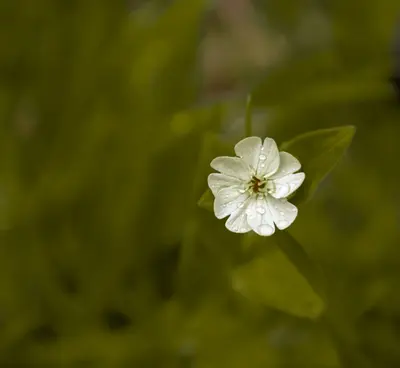
Tall, well-branched plants produce double flowers 2-2 1/2" across. Blooms are pale lemon-yellow. Fresh blooms: silvery buds take on a lemon hue as blooms mature and petals unfold. Fresh flowers open in shades of creamy white and lemon. Dried flowers: blooms turn fully lemon-colored once dried. Also known as bracted strawflower.
Harvest
75-85d
Days to harvest
Sun
Full sun
Zones
1–11
USDA hardiness
Height
2-3 feet
Planting Timeline
Showing dates for Creamy White in USDA Zone 7
All Zone 7 flower →Zone Map
Click a state to update dates
Creamy White · Zones 1–11
Growing Details
Succession Planting
Strawflower keeps producing blooms on each plant all season, so you don't need to succession sow for continuous harvest the way you would with lettuce or radishes. One round of indoor sowing in February–March (for transplanting out in April–May after last frost) gives you flowers from roughly 75–85 days after transplant through first frost. If you want a staggered cut-flower harvest — a second wave of plants for late-summer drying specifically — you can direct sow a second batch in May or early June, keeping in mind that direct-sown plants typically take a week or two longer to hit first bloom than transplants.
Don't bother sowing after late June in most climates. Plants started that late won't have enough time to reach full production before days shorten and temperatures drop, and the payoff isn't worth the bed space.
Complete Growing Guide
Tall, well-branched plants produce double flowers 2-2 1/2" across. Blooms are pale lemon-yellow. Fresh blooms: silvery buds take on a lemon hue as blooms mature and petals unfold. Fresh flowers open in shades of creamy white and lemon. Dried flowers: blooms turn fully lemon-colored once dried. Also known as bracted strawflower. According to Johnny's Selected Seeds, Creamy White is 75 - 85 days to maturity, annual, open pollinated. Notable features: Use for Cut Flowers and Bouquets, Ideal for Drying and Crafts.
Soil: Loam (Silt). Soil pH: Acid ( 6.0), Alkaline ( 8.0), Neutral (6.0-8.0). Drainage: Good Drainage, Moist, Occasionally Dry. Height: zer-oh-KRIS-um brak-tee-AH-tum. Spread: zer-oh-KRIS-um brak-tee-AH-tum. Growth rate: Medium. Propagation: Seed, Stem Cutting. Regions: Coastal.
Harvesting
Creamy White reaches harvest at 75 - 85 days from sowing per Johnny's Selected Seeds. Expect 2-2 1/2" at peak. As an annual, harvest continues until frost ends the season.
This is an ornamental variety — not grown for harvest. Enjoy in the garden landscape.
Storage & Preservation
Fresh-cut Creamy White stems last 10–14 days in a clean vase with cool water and a cut-flower preservative. Change water every 3–4 days and recut stems by 1 inch to maintain water uptake. Keep arrangements in a cool location away from direct sun, heat sources, and ripening fruit (which releases ethylene gas).\n\nDrying is Creamy White's premier preservation method and why it's treasured as an everlasting flower. Hang bundles of 8–10 stems upside down in a warm, dark, dry, well-ventilated space (attic, garage, or drying shed). Flowers dry completely in 2–3 weeks and retain their color and structure for years—ideal for dried arrangements, wreaths, and crafts. Once dry, store in cardboard boxes in a cool, dark place to protect from moisture and dust.\n\nAlternatively, strip leaves from fresh stems and arrange blooms upright in a vase with just 1–2 inches of water; as the water evaporates, flowers dry in place while maintaining a natural, open shape. No special equipment or chemicals needed—this variety dries beautifully with minimal intervention.
History & Origin
Creamy White is open-pollinated, meaning seed saved from healthy plants will produce true-to-type offspring. Listed in the Johnny's Selected Seeds catalog.
Australia
Advantages
- +Tall, well-branched plants produce abundant double flowers across season
- +Striking color transformation from silvery buds to creamy white blooms
- +Excellent for both fresh and dried flower arrangements and crafts
- +Quick maturation in just 75-85 days from seed to bloom
- +Easy to grow with minimal care requirements for beginners
Considerations
- -Flowers fade to pure lemon when dried, losing creamy white appeal
- -Requires full sun and well-draining soil to prevent root rot
- -Tall growth habit may require staking in windy garden locations
Companion Plants
Sweet Alyssum and Catmint are probably the most useful neighbors here. Sweet Alyssum draws in parasitic wasps and hoverflies — both of which go after aphids — and it stays low enough (6–8 inches) that it doesn't compete with Helichrysum for light. Catmint does similar pollinator work and its gray-green foliage reads well next to cream-white bracts without fighting for attention. Marigolds, specifically Tagetes patula (French type), pull double duty: their root secretions deter root-knot nematodes, and their scent disrupts thrips, which occasionally bother strawflower in dense plantings. Dusty Miller is worth planting close by — silvery foliage pairs naturally with white bracts, and it shares Helichrysum's preference for lean, dry soil, so you're not setting up a water competition problem.
Nasturtiums are listed as beneficial, and they do act as a trap crop for aphids, pulling pest pressure away from nearby plants. That said, a nasturtium sitting close to your strawflower can turn into a full aphid colony if pressure is high — check it every few days and pull it if it goes bad. Cosmos is a fine neighbor and feeds beneficial insects with its open blooms, but it gets leggy by late summer and will flop onto shorter plants if you're not staking it.
Black Walnut is the one to give a wide berth — it produces juglone, a root-zone compound that interferes with growth in a broad range of plants, and Helichrysum isn't an exception. Eucalyptus is a problem for different reasons: its leaf litter releases allelopathic compounds that suppress germination and growth in nearby beds. Sunflowers compete hard for water and their shallow, spreading roots can crowd out anything within 18–24 inches.
Plant Together
Sweet Alyssum
Attracts beneficial insects and provides ground cover, complements white flowers beautifully
Marigolds
Repel nematodes and aphids while providing color contrast to white blooms
Lavender
Deters pests with its fragrance and attracts pollinators, creates elegant color pairing
Nasturtiums
Act as trap crops for aphids and cucumber beetles, provide vibrant color contrast
Chives
Repel aphids and Japanese beetles while attracting beneficial pollinators
Catmint
Deters ants, aphids, and rodents while providing long-lasting purple-blue blooms
Cosmos
Attract beneficial insects and provide height variation without competing for nutrients
Dusty Miller
Silver foliage enhances white flowers and provides textural contrast
Keep Apart
Black Walnut
Produces juglone toxin that inhibits growth and can kill many flowering plants
Eucalyptus
Releases allelopathic compounds that suppress growth of nearby plants
Sunflowers
Produce allelopathic substances and compete aggressively for water and nutrients
Troubleshooting Creamy White
What you'll see, why it happens, and what to do about it.
Seedlings toppling over at soil level, stems look pinched or water-soaked just above the root
Likely Causes
- Damping off (Pythium or Rhizoctonia spp.) — fungal rot triggered by overwatering and poor air circulation in trays
- Starting mix that stays too wet between waterings
What to Do
- 1.Water seedling trays from the bottom and let the top inch of mix dry slightly between waterings
- 2.Run a small fan on the seedlings for a few hours a day to keep air moving
- 3.Discard affected trays — there's no saving damped-off seedlings, but the rest of the flat can be rescued if you catch it early and dry things out fast
Leaves and stems covered in a white powdery coating, usually showing up mid-summer
Likely Causes
- Powdery mildew (Erysiphe cichoracearum) — common on Helichrysum in humid conditions with poor airflow
- Plants spaced too tightly (under 12 inches), trapping humidity around foliage
What to Do
- 1.Space plants at least 12–18 inches apart at transplant time so air can move through
- 2.Spray affected foliage with a dilute baking soda solution (1 tablespoon per gallon of water) weekly until symptoms ease
- 3.Pull and trash heavily infected plants — don't compost them
Flower buds forming but then rotting or turning brown before they fully open
Likely Causes
- Botrytis blight (Botrytis cinerea) — gray mold that moves in during cool, wet stretches, especially if spent blooms are left on the plant
- Overhead irrigation soaking the flower heads
What to Do
- 1.Deadhead or harvest blooms regularly — don't let old flower heads sit on the plant
- 2.Switch from overhead watering to drip or base watering to keep the flower heads dry
- 3.Remove and bin any visibly moldy tissue immediately; Botrytis spreads fast in humid weather
Leaves stippled with tiny pale dots, undersides of leaves look dusty or have fine webbing
Likely Causes
- Two-spotted spider mite (Tetranychus urticae) — populations explode in hot, dry conditions above 85°F
- Plants under drought stress, which makes them more susceptible
What to Do
- 1.Spray the undersides of leaves forcefully with water every 2–3 days to knock mites off and disrupt their cycle
- 2.Apply neem oil or insecticidal soap in the early morning or evening — midday application can burn foliage
- 3.Keep plants adequately watered during heat stretches; stressed plants attract mites faster
Frequently Asked Questions
How long does Creamy White strawflower take to flower from seed?▼
Is Creamy White strawflower good for beginners?▼
Can you grow Creamy White strawflower in containers?▼
What is the best way to dry Creamy White strawflower?▼
When should I harvest Creamy White strawflower for drying?▼
Does Creamy White strawflower need fertilizer?▼
Zone-by-Zone Planting Calendar
| Zone | Indoor Start | Transplant | Direct Sow | Harvest |
|---|---|---|---|---|
| Zone 3 | April – May | June – July | June – August | — |
| Zone 4 | March – April | June – June | June – July | — |
| Zone 5 | March – April | May – June | May – July | — |
| Zone 6 | March – April | May – June | May – July | — |
| Zone 7 | February – March | April – May | April – June | — |
| Zone 8 | February – March | April – May | April – June | — |
| Zone 9 | January – February | March – April | March – May | — |
| Zone 10 | January – January | February – March | February – April | — |
| Zone 1 | May – June | July – August | July – September | — |
| Zone 2 | April – May | June – July | June – August | — |
| Zone 11 | January – January | January – February | January – March | — |
| Zone 12 | January – January | January – February | January – March | — |
| Zone 13 | January – January | January – February | January – March | — |
Growing Guides from Wind River Greens
Sources & References
External authority sources used in compiling this guide.
- BreederJohnny's Selected Seeds
See the Methodology page for how this data is sourced, what's AI-assisted, and known limitations.