Fama Deep Blue
Scabiosa caucasica
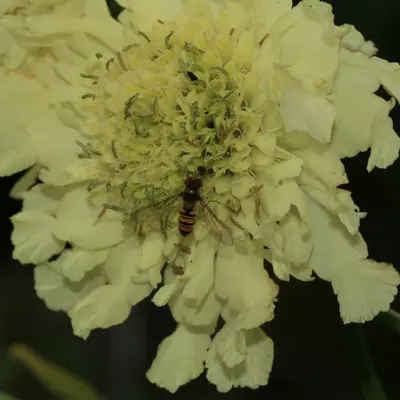
Elegant 2 1/2-3 1/2" blooms with long, clean, wiry stems and good vase life. Perfect for cutting. Seed pods can be used to add whimsy and interest to mixed bouquets. Produces all summer long. Also known as sweet scabious, Caucasian pincushion flower, and perennial Scabiosa. Perennial in Zones 3-7.
Harvest
105-140d
Days to harvest
Sun
Full sun
Zones
4–11
USDA hardiness
Height
2.5 feet
Planting Timeline
Showing dates for Fama Deep Blue in USDA Zone 7
All Zone 7 flower →Zone Map
Click a state to update dates
Fama Deep Blue · Zones 4–11
Growing Details
Complete Growing Guide
Fama Deep Blue rewards patience and good site preparation. Choose a location with full sun (at least 6 hours daily) and excellent drainage — scabiosa absolutely will not tolerate wet feet, especially over winter. If your soil is heavy clay, amend generously with compost and coarse sand, or build a raised bed. The plant prefers neutral to slightly alkaline soil (pH 6.5–7.5); if your soil tests acidic, work in a light dusting of garden lime before planting.
Start seeds indoors 8–10 weeks before your last frost date for first-year blooms. Surface sow on moist seed-starting mix and press lightly — seeds need light to germinate. Keep at 65–70°F and expect germination in 10–20 days. Pot up seedlings once they have two sets of true leaves, and harden off carefully over 7–10 days before transplanting. You can also direct sow after last frost, but blooms will be later. Space plants 12–18 inches apart to allow good airflow.
Feed lightly. Scabiosa is not a heavy feeder, and rich soil produces floppy growth with fewer blooms. Work a balanced organic fertilizer into the planting hole, then side-dress once in midsummer with compost. Avoid high-nitrogen feeds, which encourage foliage at the expense of flowers.
Water consistently the first season to establish deep roots — about an inch per week. Once established, plants are moderately drought tolerant. Mulch with a thin layer of compost or fine bark to conserve moisture, but keep mulch away from the crown to prevent rot.
The wiry stems generally support themselves, but in windy sites or rich soil you may want to install corral-style netting or grow-through grids early in the season. Pinch young plants once at 6–8 inches to encourage branching and more stems for cutting.
The single biggest mistake gardeners make with Fama Deep Blue is letting blooms go to seed — this dramatically slows production. Deadhead religiously, or better yet, cut flowers for arrangements every few days. The more you cut, the more it blooms. Save just a few late-season blooms to develop those decorative seed pods.
In Zones 3–7, plants will return year after year and grow stronger in their second and third seasons. Apply a 2-inch winter mulch in colder zones after the ground freezes. Divide clumps every 3–4 years in early spring to maintain vigor. In Zones 8 and warmer, treat as an annual or short-lived perennial — summer heat and humidity shorten its lifespan considerably.
Harvesting
Harvest Fama Deep Blue when blooms are about half to three-quarters open — the outer ring of florets should be fully expanded but the central pincushion still showing tight, unopened buds. Cutting at this stage gives you 5–7 days of vase life as the center continues to develop. Fully open flowers will only last 2–3 days in the vase.
Cut in the cool of early morning when stems are fully hydrated, using clean, sharp snips. Reach down into the plant and cut stems as long as possible — at least 12–18 inches — just above a leaf node or branching point, which encourages new stems to form below the cut. Strip lower foliage immediately and plunge stems into cool water.
For the whimsical seed pods so prized in bouquets, leave a portion of late-summer blooms on the plant and harvest once the pods have formed their characteristic spherical shape and turned papery-bronze. Cut on long stems just like fresh flowers.
Storage & Preservation
Fresh-cut Fama Deep Blue stems should be conditioned in cool water for 2–4 hours before arranging. They hold best at 38–40°F in a refrigerator or floral cooler with high humidity, lasting up to a week. Recut stems and refresh water every 2 days, and add floral preservative to extend vase life. Keep arrangements out of direct sun and away from ripening fruit (ethylene shortens bloom life).
For preservation, the seed pods are the real treasure. Harvest fully formed bronze pods, bundle 5–8 stems with a rubber band, and hang upside down in a dark, dry, well-ventilated space for 2–3 weeks. They retain their shape and color for years in dried arrangements. Fresh blooms can also be pressed flat between blotting paper for 2 weeks, though the blue color softens to a muted lavender-gray.
History & Origin
Scabiosa caucasica, the species behind Fama Deep Blue, hails from the meadows and rocky slopes of the Caucasus Mountains, the dramatic range stretching between the Black and Caspian Seas. It was introduced to Western gardens in the early 19th century and quickly became a Victorian favorite for cottage borders and cutting gardens, prized for its delicate beauty and exceptional vase life.
The Fama series was developed by Dutch breeders for the cut flower industry, selected specifically for longer, stronger, wirier stems than older Scabiosa caucasica strains, along with larger blooms and earlier flowering from seed. Fama Deep Blue intensifies the rich lavender-blue tones traditional growers loved while delivering the productivity modern flower farmers demand. Today it remains a staple of small-scale flower farms and discerning home cutting gardens, often featured in artisan wedding work where its airy form and saturated blue color are difficult to replicate with any other flower.
Advantages
- +Exceptional vase life of 5–7 days when harvested at proper stage
- +Long, wiry, naturally straight stems require minimal staking
- +Blooms continuously from early summer through frost with regular cutting
- +Decorative seed pods provide a second harvest for dried arrangements
- +True perennial in Zones 3–7, returning stronger each year
- +Strong magnet for bees, butterflies, and beneficial pollinators
- +Saturated lavender-blue color is rare and difficult to substitute in floral design
Considerations
- -Will rot quickly in heavy or poorly drained soil, especially over winter
- -Short-lived or treated as annual in Zones 8+ due to summer heat and humidity
- -Requires constant deadheading or cutting to maintain bloom production
- -Slow to bloom from seed — 105–140 days to first flowers
- -Floppy growth in overly rich soil reduces stem quality
Companion Plants
Sweet Alyssum and Catmint pull the most weight here. Alyssum draws in hoverflies and parasitic wasps that prey on aphids — a real problem for Scabiosa — and at 6–8 inches tall it won't shade out the blooms. Catmint's volatile oils deter aphids, and since both peak around the same weeks, you're not juggling staggered bloom times. Lavender fits naturally too: same drainage demands, same full-sun preference, and shallow enough roots that the two don't fight underground. Skip anything in the Black Walnut family — juglone toxicity in the soil will kill most herbaceous perennials, and Scabiosa is no exception.
Plant Together
Marigold
Repels nematodes and aphids while attracting beneficial insects
Sweet Alyssum
Attracts beneficial insects and provides ground cover to retain soil moisture
Nasturtium
Acts as trap crop for aphids and cucumber beetles, deters pests naturally
Zinnia
Attracts pollinators and beneficial predatory insects while providing color contrast
Lavender
Repels moths, fleas, and mosquitoes with its strong fragrance
Cosmos
Attracts beneficial insects and provides structural support in mixed plantings
Catmint
Deters ants, aphids, and rodents while attracting pollinators
Petunia
Repels aphids, tomato hornworms, and squash bugs effectively
Keep Apart
Black Walnut
Produces juglone toxin that inhibits growth and can kill sensitive plants
Sunflower
Releases allelopathic compounds that can stunt growth of nearby flowers
Eucalyptus
Produces allelopathic oils that inhibit germination and growth of other plants
Pests & Disease Resistance
Common Pests
Aphids, slugs, whiteflies
Diseases
Crown rot, powdery mildew, root rot in poorly drained soils
Troubleshooting Fama Deep Blue
What you'll see, why it happens, and what to do about it.
Crown collapses at soil level — stems turn brown and mushy, plant wilts despite moist soil
Likely Causes
- Crown rot (Sclerotinia or Phytophthora spp.) — almost always triggered by water sitting at the crown, especially in heavy clay or after a wet winter
- Planting too deep, so the crown stays consistently damp
What to Do
- 1.Dig the plant up, cut away all rotted tissue with a clean knife, and let the crown air-dry for a few hours before replanting
- 2.Replant on a slight mound or raised bed so water drains away from the crown
- 3.Work coarse grit or perlite into the top 6 inches of soil before replanting — Scabiosa will not tolerate heavy, wet feet
White powdery coating on upper leaf surfaces, usually showing up in mid to late summer
Likely Causes
- Powdery mildew (Erysiphe cichoracearum) — dry air combined with crowded spacing slows airflow and sets this off fast
- Spacing plants closer than 12 inches, which limits air circulation
What to Do
- 1.Strip the worst-affected leaves and bin them — don't compost them
- 2.Spray remaining foliage with a solution of 1 tablespoon baking soda per gallon of water, applied in the morning so leaves dry before nightfall
- 3.Next season, hold to at least 15–18 inch spacing and water at the base, not overhead
Frequently Asked Questions
How long does Fama Deep Blue take to grow from seed to bloom?▼
Is Fama Deep Blue good for beginner gardeners?▼
Can you grow Fama Deep Blue in containers?▼
When should I plant Fama Deep Blue seeds?▼
Why is my Scabiosa Fama Deep Blue not blooming?▼
Do you deadhead Scabiosa Fama Deep Blue?▼
Zone-by-Zone Planting Calendar
| Zone | Indoor Start | Transplant | Direct Sow | Harvest |
|---|---|---|---|---|
| Zone 1 | May – June | July – August | July – September | — |
| Zone 2 | April – May | June – July | June – August | — |
| Zone 11 | January – January | January – February | January – March | — |
| Zone 12 | January – January | January – February | January – March | — |
| Zone 13 | January – January | January – February | January – March | — |
| Zone 3 | April – May | June – July | June – August | — |
| Zone 4 | March – April | June – June | June – July | — |
| Zone 5 | March – April | May – June | May – July | — |
| Zone 6 | March – April | May – June | May – July | — |
| Zone 7 | February – March | April – May | April – June | — |
| Zone 8 | February – March | April – May | April – June | — |
| Zone 9 | January – February | March – April | March – May | — |
| Zone 10 | January – January | February – March | February – April | — |
Growing Guides from Wind River Greens
Sources & References
External authority sources used in compiling this guide.
- BreederJohnny's Selected Seeds
See the Methodology page for how this data is sourced, what's AI-assisted, and known limitations.