Sweet Pea Cupani
Lathyrus odoratus 'Cupani'
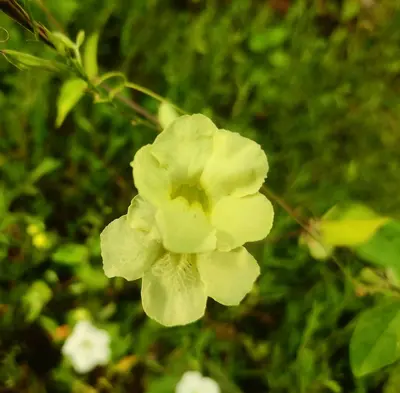
The original wild sweet pea discovered in Sicily in 1695, prized for its intensely sweet fragrance that modern hybrids can't match. These vigorous climbing vines produce smaller but incredibly aromatic flowers in deep purple and maroon, filling the entire garden with their heavenly scent. A must-have heirloom for cutting gardens and romantic cottage garden settings.
Sun
Full sun
Zones
2–11
USDA hardiness
Height
3-8 feet
Planting Timeline
Showing dates for Sweet Pea Cupani in USDA Zone 7
All Zone 7 flower →Zone Map
Click a state to update dates
Sweet Pea Cupani · Zones 2–11
Growing Details
Succession Planting
Cupani is a cool-season annual that stops producing once heat locks in — in zone 7, that window closes fast. Sow a first batch indoors in late February, then direct sow a second round outside around March 15, roughly 3 weeks apart. That gives you two overlapping flushes of bloom before daytime highs hold above 80°F and the plants quit. A third sowing won't get you flowers worth picking before the heat shuts them down.
For a fall run, direct sow in mid-September once nights drop below 70°F and get plants established before the first frost. They'll carry through a zone 7 winter and come back blooming in early March.
Complete Growing Guide
Sweet Pea Cupani thrives when started from seed indoors about six to eight weeks before your last spring frost, allowing seedlings to establish sturdy root systems before transplanting. Alternatively, direct sow seeds outdoors two to three weeks before your final frost date, as these heirloom vines tolerate cool soil and actually prefer it. If direct sowing, soak seeds overnight in room-temperature water to improve germination rates, then plant them one inch deep in prepared soil. Space seedlings or transplants eight to twelve inches apart, closer together than modern hybrid varieties, since Cupani produces a more delicate vine structure that benefits from companion growth for support.
Prepare your soil thoroughly with compost or well-rotted manure mixed into the top six to eight inches, as these vigorous climbers demand nutrient-rich conditions to fuel their vigorous growth and prolific flowering. While most sweet peas adapt to various soil types, Cupani specifically performs best in slightly alkaline to neutral soil with excellent drainage, since poor drainage invites the root rot that frequently plagues this particular cultivar in wet conditions. Position plants in full sun receiving at least six hours of direct light daily, non-negotiable for maximizing the intense fragrance that makes this heirloom so prized.
Water deeply but allow soil to dry slightly between waterings during the growing season, reducing frequency in cooler months. Feed every three weeks with a balanced liquid fertilizer once flowering begins, switching to a lower-nitrogen formula to encourage blooms rather than excessive foliage. Succession plant seeds every two to three weeks until early summer to ensure continuous flowers through fall.
Cupani's intensely sweet fragrance paradoxically attracts both pollinators and problematic pests, particularly aphids and spider mites that seem drawn specifically to this variety's tender stems. Monitor plants weekly and spray insecticidal soap at the first sign of infestation. Powdery mildew frequently affects Cupani in humid climates, so ensure good air circulation around plants and consider preventative sulfur dust applications in late summer when disease pressure peaks. Watch vigilantly for streak virus symptoms, which appear as pale streaking on leaves and flowers; immediately remove and destroy infected plants to prevent spread.
Provide sturdy trellising or netting immediately at planting, as Cupani's vigorous 3- to 8-foot vines need substantial support. Pinch out growing tips when plants reach six inches tall to encourage bushier growth and more flowering shoots. The most common mistake gardeners make with Cupani is deadheading too aggressively or harvesting too many cut flowers, which signals the plant to stop flowering prematurely. Enjoy cutting stems regularly, but leave enough flowers on the vine to mature naturally and trigger continued production throughout the season.
Harvesting
Harvest Sweet Pea Cupani blooms when the flowers have fully opened and the petals feel papery and crisp to the touch, typically when the deep purple and maroon hues are most saturated. Pick flowers in early morning after dew has dried but before heat stress wilts the stems. This cultivar responds excellently to continuous harvesting—removing spent blooms and cutting fresh flowers regularly encourages the vines to produce more blossoms throughout the season rather than setting seed. Snip stems at least 6 inches long using sharp scissors, cutting just above leaf nodes to promote branching. Single harvesting will significantly shorten the blooming period, so deadheading consistently is essential for maximizing the extended flower production these vigorous heirloom vines are capable of delivering.
Type: Legume.
Edibility: Sweet pea fruits are inedible and poisonous to humans.
Storage & Preservation
Fresh Sweet Pea Cupani flowers last 5-7 days when properly stored. Immediately after cutting, plunge stems into cool water and recut under running water to prevent air bubbles. Store in a cool location away from direct sunlight, changing water every 2-3 days.
For drying, harvest flowers just before full opening and hang in small bundles in a dark, well-ventilated area. Dried flowers retain some fragrance for potpourri use. You can also press individual flowers between weighted paper for craft projects – their intense color holds well when dried.
To preserve the fragrance, create sweet pea water by floating fresh petals in distilled water for 24 hours, then strain and refrigerate for up to one week. Never consume sweet pea flowers as all parts of the plant are toxic to humans and pets.
History & Origin
The original wild sweet pea variety was discovered in Sicily in 1695 and named Cupani after the monk who documented it, though detailed records of the initial discovery and cultivation remain sparse in horticultural literature. This heirloom represents the genetic foundation from which all modern sweet pea hybrids descended, serving as the ancestral species that European gardeners and plant breeders selected from throughout the 18th and 19th centuries. While specific breeding lineages and institutional development programs are not well documented for Cupani itself, it functioned as the critical parent material that enabled subsequent Victorian-era hybridization programs to create the larger-flowered varieties that now dominate commercial cultivation, making this Sicilian discovery foundational to sweet pea's transformation from wildflower to garden staple.
Origin: Southern Italy, Sicily, Crete
Advantages
- +Intensely sweet fragrance surpasses all modern sweet pea hybrid varieties
- +Original 1695 Sicilian heirloom adds authentic historical charm to gardens
- +Vigorous climbing vines cover trellises quickly with minimal structural support
- +Excellent for cutting gardens, providing long-lasting aromatic bouquets indoors
Considerations
- -Highly susceptible to powdery mildew in humid or crowded conditions
- -Vulnerable to aphids, thrips, and spider mites requiring regular monitoring
- -Prone to root rot in poorly draining soil or overwatered beds
- -Streak virus can devastate plants, with no cure once infected
Companion Plants
Nasturtiums and calendula are the most useful neighbors here — nasturtiums act as an aphid trap crop, drawing pea aphids away from your Cupani, while calendula attracts hoverflies whose larvae feed on thrips. Marigolds (specifically Tagetes patula) release thiophenes from their roots that suppress soil nematodes, which matters in our zone 7 Georgia garden where nematode pressure builds through the summer. Black walnut is the one plant to keep well off the property line from your sweet peas: the juglone that leaches from walnut roots is toxic to many legumes, and Cupani will stunt or collapse entirely if planted anywhere inside the drip line.
Plant Together
Nasturtiums
Acts as trap crop for aphids and cucumber beetles, protecting sweet peas
Marigolds
Repels nematodes and aphids while attracting beneficial insects
Lavender
Deters moths and flies that can damage sweet pea flowers
Calendula
Attracts beneficial insects and provides natural pest control
Alyssum
Ground cover that attracts predatory insects like hoverflies
Chives
Repels aphids and other soft-bodied insects with strong scent
Parsley
Attracts beneficial insects and doesn't compete for nutrients
Cosmos
Attracts pollinators and beneficial predatory insects
Keep Apart
Black Walnut
Produces juglone which is toxic to sweet peas and many other plants
Sunflowers
Allelopathic compounds inhibit germination and growth of nearby plants
Eucalyptus
Strong allelopathic properties suppress growth of most companion plants
Pests & Disease Resistance
Resistance
Good disease resistance typical of heirloom varieties
Common Pests
Aphids, thrips, spider mites
Diseases
Powdery mildew, root rot, streak virus
Troubleshooting Sweet Pea Cupani
What you'll see, why it happens, and what to do about it.
White powdery coating on leaves and stems, usually showing up as temperatures warm above 65°F in spring
Likely Causes
- Powdery mildew (Erysiphe polygoni) — a fungal disease that thrives in warm days with cool nights and poor airflow
- Crowded planting at less than 6 inches apart, trapping humidity around the foliage
What to Do
- 1.Strip the worst-affected leaves and bin them — don't compost
- 2.Spray remaining foliage with a diluted potassium bicarbonate solution (1 tablespoon per gallon of water) every 7-10 days
- 3.Accept that once temperatures push past 80°F consistently, the plant is winding down — pull it and sow something else
Clusters of small soft-bodied insects on new growth tips, causing curled or puckered leaves
Likely Causes
- Aphid infestation (commonly Acyrthosiphon pisum, the pea aphid) — they prefer the tender growing tips and can appear fast in cool spring weather
- Ant colonies farming the aphids for honeydew, which shields them from predators like parasitic wasps
What to Do
- 1.Knock aphids off with a firm spray of water from the hose — do this early morning so the foliage dries quickly
- 2.If they return within a few days, apply insecticidal soap directly to the colonies, coating the undersides of leaves
- 3.Check for ant trails up the stems; a sticky barrier (like Tanglefoot) around the base of any support stakes disrupts that relationship
Stems turning dark brown or black at the soil line, plant wilting even when soil is wet
Likely Causes
- Root rot caused by Pythium or Fusarium species — almost always triggered by waterlogged soil or a bed with poor drainage
- Planting too early into cold, wet ground below 50°F, which slows root establishment and opens the door to fungal colonization
What to Do
- 1.Pull the plant — there's no saving a stem that's rotted through at the base
- 2.Amend the bed with coarse grit or perlite before the next planting; Cupani wants consistent moisture, not standing water
- 3.Raise soil pH to the 7.0–7.5 range with garden lime if your bed runs acidic — NC State Extension notes that slightly alkaline conditions discourage several soil-borne pathogens in legumes
Frequently Asked Questions
How long does Sweet Pea Cupani take to bloom from seed?▼
Can you grow Sweet Pea Cupani in containers?▼
Is Sweet Pea Cupani good for beginners?▼
When should I plant Sweet Pea Cupani seeds?▼
What's the difference between Sweet Pea Cupani and modern sweet pea varieties?▼
Are Sweet Pea Cupani flowers edible?▼
Zone-by-Zone Planting Calendar
| Zone | Indoor Start | Transplant | Direct Sow | Harvest |
|---|---|---|---|---|
| Zone 1 | May – June | July – August | July – September | — |
| Zone 2 | April – May | June – July | June – August | — |
| Zone 11 | January – January | January – February | January – March | — |
| Zone 12 | January – January | January – February | January – March | — |
| Zone 13 | January – January | January – February | January – March | — |
| Zone 3 | April – May | June – July | June – August | — |
| Zone 4 | March – April | June – June | June – July | — |
| Zone 5 | March – April | May – June | May – July | — |
| Zone 6 | March – April | May – June | May – July | — |
| Zone 7 | February – March | April – May | April – June | — |
| Zone 8 | February – March | April – May | April – June | — |
| Zone 9 | January – February | March – April | March – May | — |
| Zone 10 | January – January | February – March | February – April | — |