Bright Rose
Helichrysum bracteatum
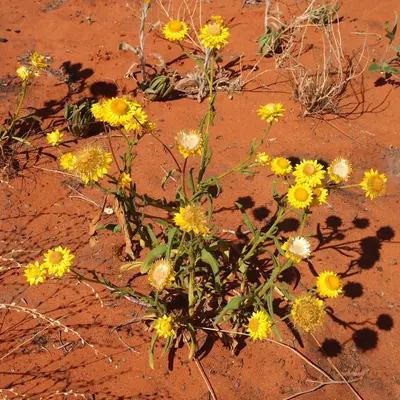
Tall, well-branched plants produce double flowers 2-2 1/2" across. Blooms are shades of hot pink and rose at the petal tips. Also known as bracted strawflower.
Harvest
75-85d
Days to harvest
Sun
Full sun
Zones
1–11
USDA hardiness
Height
24-36 inches
Planting Timeline
Showing dates for Bright Rose in USDA Zone 7
All Zone 7 flower →Zone Map
Click a state to update dates
Bright Rose · Zones 1–11
Growing Details
Succession Planting
Bright Rose is worth succession sowing if you're cutting for dried arrangements and want blooms at different stages through the season. Start seeds indoors in late February through March, then direct sow in the garden from April through early June — every 3 to 4 weeks gives you staggered harvests from midsummer into fall. Stop once daytime highs are consistently above 85°F; germination rates drop off and young seedlings struggle to root in Georgia's full summer heat. For most growers here, a late-May direct sow is the last useful round.
Complete Growing Guide
Tall, well-branched plants produce double flowers 2-2 1/2" across. Blooms are shades of hot pink and rose at the petal tips. Also known as bracted strawflower. According to Johnny's Selected Seeds, Bright Rose is 75 - 85 days to maturity, annual, open pollinated. Notable features: Use for Cut Flowers and Bouquets, Ideal for Drying and Crafts.
Soil: Loam (Silt). Soil pH: Acid ( 6.0), Alkaline ( 8.0), Neutral (6.0-8.0). Drainage: Good Drainage, Moist, Occasionally Dry. Height: zer-oh-KRIS-um brak-tee-AH-tum. Spread: zer-oh-KRIS-um brak-tee-AH-tum. Growth rate: Medium. Propagation: Seed, Stem Cutting. Regions: Coastal.
Harvesting
Bright Rose reaches harvest at 75 - 85 days from sowing per Johnny's Selected Seeds. Expect 2-2 1/2" at peak. As an annual, harvest continues until frost ends the season.
This is an ornamental variety — not grown for harvest. Enjoy in the garden landscape.
Storage & Preservation
Fresh Bright Rose flowers last 2–3 weeks in a vase with cool water in a cool room, away from direct sun and ripening fruit. For drying—strawflowers' primary use—harvest at the papery stage and hang bundles upside down in a warm, dark, well-ventilated space (60–75°F) for 1–2 weeks. Once fully dry, store bundles in cardboard boxes in a cool, dry location away from humidity; they remain usable for years. Alternative: stand cut flowers in a dry vase without water and allow them to dry upright, which preserves stem curves better for arrangement. Dried flowers are highly susceptible to moisture, so avoid damp basements or humid bathrooms. For long-term preservation, keep dried flowers in sealed containers with desiccant packets in a dark closet. Well-dried Bright Rose maintains its color intensity far better than most cut flowers, making it ideal for winter arrangements, wreaths, and crafts.
History & Origin
Bright Rose is open-pollinated, meaning seed saved from healthy plants will produce true-to-type offspring. Listed in the Johnny's Selected Seeds catalog.
Australia
Advantages
- +Produces abundant double flowers in stunning hot pink and rose shades
- +Well-branched plants maximize blooms without requiring extensive pruning or pinching
- +Tall stature makes Bright Rose excellent for cut flowers and arrangements
- +Easy growing difficulty means beginners can succeed without specialized knowledge
- +Flowers dry beautifully for long-lasting dried arrangements and crafts
Considerations
- -Requires 75-85 days to bloom, making it unsuitable for short growing seasons
- -Helichrysum varieties are susceptible to powdery mildew in humid conditions
- -Double flowers may shatter or drop petals if handled roughly during harvest
- -Prefers well-draining soil and may struggle in heavy clay or waterlogged beds
Companion Plants
Lavender and catmint are the strongest pairings — both share Bright Rose's preference for lean, well-drained soil and minimal irrigation, so they won't push you toward the boggy conditions that kill helichrysum fast. Marigolds and alyssum draw in parasitic wasps and hoverflies that keep aphid pressure manageable on nearby crops. Garlic and chives add some allium-based deterrence without demanding extra water. In our zone 7 Georgia garden, keep large trees and brassicas well clear — trees cast the shade that shuts down bloom production on these full-sun plants, and brassicas need enough water and nitrogen that managing both beds without overwatering the helichrysum gets genuinely difficult.
Plant Together
Lavender
Repels aphids, moths, and other pests while attracting beneficial pollinators
Marigolds
Deters nematodes, aphids, and whiteflies through natural compounds
Garlic
Repels aphids, spider mites, and thrips with strong sulfur compounds
Chives
Prevents black spot and aphid infestations while improving soil health
Catmint
Repels ants, aphids, and rodents while attracting beneficial insects
Parsley
Attracts beneficial insects and provides ground cover to retain soil moisture
Alyssum
Attracts beneficial predatory insects and provides living mulch
Nasturtiums
Acts as trap crop for aphids and adds natural pest deterrent properties
Keep Apart
Black Walnut
Produces juglone toxin that inhibits rose growth and causes wilting
Large Trees
Compete for nutrients and water while creating excessive shade
Brassicas
Compete for similar nutrients and may attract pests that also target roses
Troubleshooting Bright Rose
What you'll see, why it happens, and what to do about it.
Stems rotting at soil level, lower leaves turning brown and mushy, plant collapsing within days of transplant or first heavy rain
Likely Causes
- Root rot from Pythium or Phytophthora spp. — almost always triggered by waterlogged soil or overwatering
- Poor drainage in heavy clay soil holding moisture against the crown
What to Do
- 1.Pull the affected plant — there's no saving a rotted crown — and improve drainage in that spot before replanting
- 2.Amend beds with coarse sand or perlite, or build a raised row so water sheds away from the root zone
- 3.Water only when the top 2 inches of soil are dry; Bright Rose will die faster from too much water than too little
Gray fuzzy coating on flower heads or upper leaves during cool, wet weather in spring
Likely Causes
- Botrytis cinerea (gray mold) — a humidity-driven fungal disease that targets dense, papery bracts when airflow is poor
- Plants spaced closer than 18 inches, trapping moisture between stems
What to Do
- 1.Remove and trash (not compost) any affected flower heads immediately — Botrytis spreads fast once it gets going
- 2.Thin or stake plants so you've got at least 18 inches of clear air between them
- 3.Water at the base only, early in the morning, so foliage dries before nightfall
Frequently Asked Questions
How long does Bright Rose strawflower take to grow?▼
Can you grow Bright Rose strawflowers in containers?▼
Is Bright Rose strawflower good for beginners?▼
When should you plant Bright Rose strawflowers?▼
Why are my Bright Rose strawflowers dying?▼
How do you dry Bright Rose flowers for arrangements?▼
Zone-by-Zone Planting Calendar
| Zone | Indoor Start | Transplant | Direct Sow | Harvest |
|---|---|---|---|---|
| Zone 3 | April – May | June – July | June – August | — |
| Zone 4 | March – April | June – June | June – July | — |
| Zone 5 | March – April | May – June | May – July | — |
| Zone 6 | March – April | May – June | May – July | — |
| Zone 7 | February – March | April – May | April – June | — |
| Zone 8 | February – March | April – May | April – June | — |
| Zone 9 | January – February | March – April | March – May | — |
| Zone 10 | January – January | February – March | February – April | — |
| Zone 1 | May – June | July – August | July – September | — |
| Zone 2 | April – May | June – July | June – August | — |
| Zone 11 | January – January | January – February | January – March | — |
| Zone 12 | January – January | January – February | January – March | — |
| Zone 13 | January – January | January – February | January – March | — |
Growing Guides from Wind River Greens
Sources & References
External authority sources used in compiling this guide.
- BreederJohnny's Selected Seeds
See the Methodology page for how this data is sourced, what's AI-assisted, and known limitations.