Sunday™ Wine Red
Celosia argentea plumosa
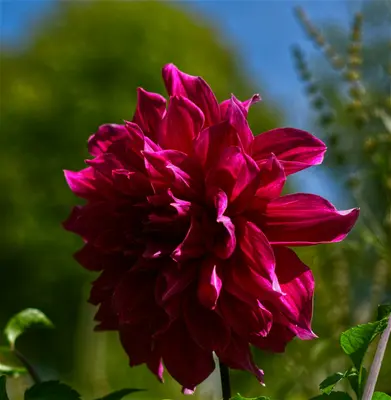
Uniform, productive plants. 3-5" long, deep red, feathery spikes on attractive, dark red stems and leaves. Plants are slightly more compact compared to others in the Sunday series. Raw, uncoated seed.
Harvest
85-95d
Days to harvest
Sun
Full sun
Zones
10–11
USDA hardiness
Height
9-18 inches
Planting Timeline
Showing dates for Sunday™ Wine Red in USDA Zone 7
All Zone 7 flower →Zone Map
Click a state to update dates
Sunday™ Wine Red · Zones 10–11
Growing Details
Complete Growing Guide
Uniform, productive plants. 3-5" long, deep red, feathery spikes on attractive, dark red stems and leaves. Plants are slightly more compact compared to others in the Sunday series. Raw, uncoated seed. According to Johnny's Selected Seeds, Sunday™ Wine Red is 85 - 95 days to maturity, annual, open pollinated. Notable features: Use for Cut Flowers and Bouquets, Ideal for Drying and Crafts, Attracts Beneficial Insects.
Light: Full sun (6 or more hours of direct sunlight a day). Soil: High Organic Matter, Loam (Silt), Sand. Soil pH: Neutral (6.0-8.0). Drainage: Good Drainage, Occasionally Dry. Height: 0 ft. 9 in. - 1 ft. 6 in.. Spread: 0 ft. 9 in. - 1 ft. 0 in.. Spacing: 12 inches-3 feet. Growth rate: Rapid. Maintenance: Low. Propagation: Seed. Regions: Coastal, Piedmont.
Harvesting
Sunday™ Wine Red reaches harvest at 85 - 95 days from sowing per Johnny's Selected Seeds. Expect 3-5" at peak. As an annual, harvest continues until frost ends the season.
Smooth, glossy, shiny capsule contain many seeds
Color: Black. Type: Capsule.
Edibility: The leaves and young shoots are cooked and used in soups and stews. The seeds yield edible oil.
Storage & Preservation
For fresh storage, keep Sunday® Wine Red flowers in a cool location away from direct sunlight. If refrigerating, store in a vase with fresh water or in a plastic bag in the crisper drawer at 35-40°F with moderate humidity; flowers typically last 7-14 days. For preservation, air-dry bundles by hanging upside-down in a warm, dark, well-ventilated space for 2-3 weeks, resulting in long-lasting dried arrangements. Alternatively, press flowers between parchment paper under weight for 1-2 weeks to create flat specimens suitable for crafts or framing. Glycerin preservation is also effective—soak stems in a 1:1 solution of glycerin and water for several days to retain color and flexibility.
History & Origin
Sunday™ Wine Red is open-pollinated, meaning seed saved from healthy plants will produce true-to-type offspring. Listed in the Johnny's Selected Seeds catalog.
Origin: Tropical Africa
Advantages
- +Deep wine red feathery spikes create dramatic visual impact in gardens
- +Compact growth habit makes Sunday Wine Red ideal for containers
- +Dark red stems and foliage provide striking color contrast throughout season
- +Raw seed allows cost-effective propagation for large-scale planting projects
- +Uniform plant development ensures consistent flowering and professional garden appearance
Considerations
- -85-95 day maturity requires extended growing season in cooler climates
- -Feathery spike structure may require staking in windy locations
- -Raw uncoated seed has lower germination rates than treated alternatives
Companion Plants
Marigolds and Cosmos are the workhorses here. Marigolds (especially Tagetes patula) deter aphids and whiteflies through scent and also suppress soil nematodes — useful when you're planting into beds that grew nightshades last season. Cosmos fill vertical space without competing hard at the root zone, and their open flowers draw parasitic wasps that keep caterpillar pressure in check. Sweet Alyssum planted at the border does similar work, pulling in beneficial insects while staying low enough not to shade the celosia out.
Black Walnut, Eucalyptus, and Fennel are the ones to keep clear of. Black Walnut releases juglone through its roots and leaf litter, which will stunt or kill celosia growing nearby. Fennel is subtler — it looks benign but produces anethole and other compounds that inhibit establishment for most annuals within a foot or two. In our zone 7 Georgia garden, where these plants are already racing to establish before summer heat peaks around late June, any chemical interference at the roots is a problem you just don't need.
Plant Together
Petunias
Repel aphids, tomato hornworms, and squash bugs with natural compounds
Lobelia
Provides complementary blue color contrast and attracts pollinators
Dusty Miller
Silver foliage enhances wine red colors and provides textural contrast
Catnip
Repels mosquitoes, ants, and aphids more effectively than DEET
Cosmos
Attracts beneficial insects and provides height variation without competition
Marigolds
Repel aphids, whiteflies, and nematodes while attracting beneficial insects
Sweet Alyssum
Attracts beneficial insects like lacewings and provides ground cover
Nasturtiums
Act as trap crops for aphids and cucumber beetles, drawing pests away
Keep Apart
Black Walnut
Releases juglone toxin that inhibits growth and can kill sensitive plants
Eucalyptus
Allelopathic properties suppress growth of nearby flowering plants
Fennel
Inhibits growth of most garden plants through allelopathic compounds
Troubleshooting Sunday™ Wine Red
What you'll see, why it happens, and what to do about it.
Seedlings damping off at soil level — stems pinch to a thread and topple, usually within the first 2 weeks after germination
Likely Causes
- Pythium or Rhizoctonia fungal complex thriving in waterlogged seed-starting mix
- Poor airflow around crowded trays kept under humidity domes too long
What to Do
- 1.Start seeds in a well-draining, sterile soilless mix and water from the bottom — never let trays sit in standing water more than 30 minutes
- 2.Pull the humidity dome as soon as you see the first sprouts and run a small fan nearby at low speed
- 3.If damping off appears, drench surviving seedlings with a diluted hydrogen peroxide solution (1 part 3% H2O2 to 9 parts water) to slow spread
Leaves speckled silver or bronze, with tiny moving dots visible on the undersides, most noticeable in hot, dry stretches
Likely Causes
- Two-spotted spider mite (Tetranychus urticae) — populations explode when temperatures stay above 90°F and humidity drops
- Drought-stressed plants that haven't been irrigated consistently
What to Do
- 1.Blast the undersides of leaves with a firm stream of water three days in a row to knock mite populations back
- 2.Apply insecticidal soap or neem oil in the early morning — coverage on leaf undersides is what matters, not the tops
- 3.Keep plants consistently watered; water stress is the fastest way to invite a mite outbreak
Plumes rotting or turning gray-brown and fuzzy at the tips, especially after a stretch of cool, wet weather in spring
Likely Causes
- Botrytis cinerea (gray mold) — moves in fast on spent or damaged flower tissue when nights stay below 60°F and humidity is high
- Overcrowded planting with poor airflow between plants
What to Do
- 1.Remove and bag any affected flower heads immediately — Botrytis spores spread aggressively if you leave rotting tissue on the plant
- 2.Space plants at least 9–12 inches apart and avoid overhead watering in the evening
- 3.If the problem persists, a copper-based fungicide applied every 7–10 days during wet weather can slow it down
Frequently Asked Questions
How long do Sunday Wine Red flowers last after cutting?▼
Can you grow Sunday Wine Red as a beginner?▼
Can I grow Sunday Wine Red flowers in containers?▼
When should I plant Sunday Wine Red flower seeds?▼
What makes Sunday Wine Red different from other celosia varieties?▼
Zone-by-Zone Planting Calendar
| Zone | Indoor Start | Transplant | Direct Sow | Harvest |
|---|---|---|---|---|
| Zone 1 | May – June | July – August | July – September | — |
| Zone 2 | April – May | June – July | June – August | — |
| Zone 11 | January – January | January – February | January – March | — |
| Zone 12 | January – January | January – February | January – March | — |
| Zone 13 | January – January | January – February | January – March | — |
| Zone 3 | April – May | June – July | June – August | — |
| Zone 4 | March – April | June – June | June – July | — |
| Zone 5 | March – April | May – June | May – July | — |
| Zone 6 | March – April | May – June | May – July | — |
| Zone 7 | February – March | April – May | April – June | — |
| Zone 8 | February – March | April – May | April – June | — |
| Zone 9 | January – February | March – April | March – May | — |
| Zone 10 | January – January | February – March | February – April | — |
Growing Guides from Wind River Greens
Sources & References
External authority sources used in compiling this guide.
- BreederJohnny's Selected Seeds
See the Methodology page for how this data is sourced, what's AI-assisted, and known limitations.