Benary's Giant Carmine Rose
Zinnia elegans
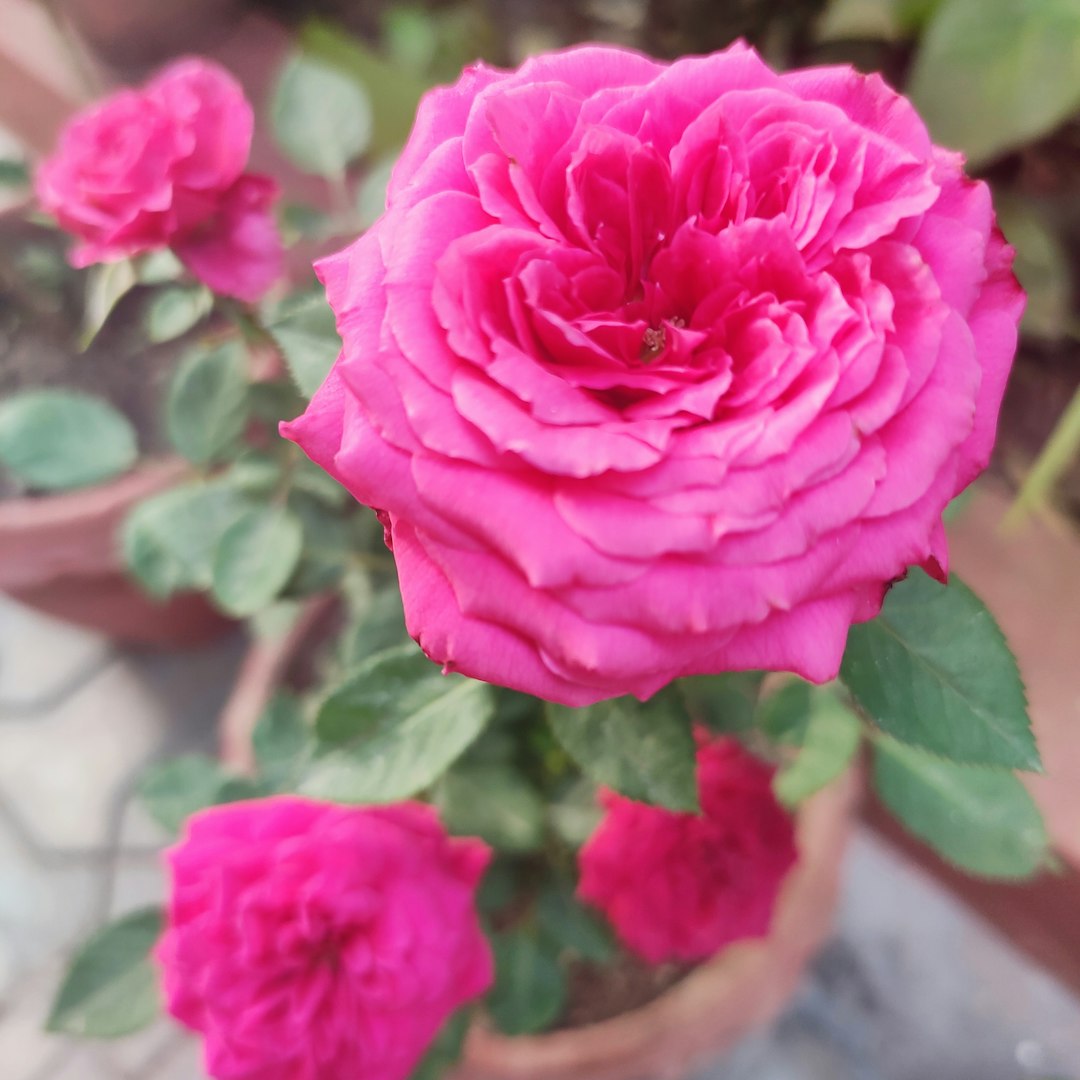
Benary's Giant Carmine Rose is a stunning heirloom zinnia prized for its large, fully double flowers in rich carmine-rose tones. The robust plants mature in 75-90 days and reach substantial height, producing abundant blooms on sturdy stems ideal for cutting. This variety is renowned for its vigorous growth in full sun and well-drained soil, delivering prolific flowering with minimal fuss, making it a standout choice for borders and arrangements.
Harvest
75-90d
Days to harvest
Sun
Full sun
Zones
2–11
USDA hardiness
Height
0-3 feet
Planting Timeline
Showing dates for Benary's Giant Carmine Rose in USDA Zone 7
All Zone 7 flower →Zone Map
Click a state to update dates
Benary's Giant Carmine Rose · Zones 2–11
Growing Details
Succession Planting
Direct sow every 2-3 weeks from April through June in zone 7, stopping once daytime highs are consistently above 90°F — not because zinnias can't handle heat, but because seeds germinate poorly above that threshold and transplants started in the cool of spring will outperform late sowings anyway. For a continuous cut-flower supply, stagger 3-4 small batches rather than one big planting; each batch hits peak bloom at 75-90 days and then slows as the season cools. Indoor starts in February or March give you a jump of 4-6 weeks on the first flush.
Complete Growing Guide
Recommended by the Association of Specialty Cut Flower Growers. High yields of long, sturdy stems with 4-6" fully double, dahlia-like blooms. Excellent vase life. Vigorous plants hold up well in summer heat and rain. Low susceptibility to powdery mildew. Cut-and-come-again flower, yielding multiple cuts over the season. According to Johnny's Selected Seeds, Benary's Giant Carmine Rose is 75 - 90 days to maturity, annual, open pollinated. Notable features: Use for Cut Flowers and Bouquets.
Light: Full sun (6 or more hours of direct sunlight a day). Soil: High Organic Matter, Loam (Silt). Soil pH: Acid (<6.0), Alkaline (>8.0), Neutral (6.0-8.0). Drainage: Good Drainage, Occasionally Dry. Height: 0 ft. 6 in. - 3 ft. 0 in.. Spread: 0 ft. 8 in. - 1 ft. 0 in.. Spacing: 12 inches-3 feet. Growth rate: Rapid. Maintenance: Medium. Propagation: Seed. Regions: Coastal, Mountains, Piedmont.
Harvesting
Benary's Giant Carmine Rose reaches harvest at 75 - 90 days from sowing per Johnny's Selected Seeds. Expect 4-6" at peak. As an annual, harvest continues until frost ends the season.
Type: Achene.
Storage & Preservation
Fresh-cut Benary's Giant Carmine Rose stems perform exceptionally in the vase—the primary use for this variety. Immediately place cut stems in cool water with floral preservative (or homemade mix: 1 Tbsp sugar + 1/4 tsp bleach per quart). Keep arrangements in a cool location (65-72°F), away from ripening fruit and direct sun. Change water every 2-3 days and re-cut stems 1/2 inch. Vase life typically runs 10-14 days.
For preservation, air-dry blooms in a dark, warm, well-ventilated space (70-75°F, low humidity) for 2-3 weeks. Hang stems upside down in small bunches; once fully dried, blooms retain form and color for months in a cool, dry place—ideal for dried arrangements. Alternatively, press individual petals between paper towels under weight for 1-2 weeks to create botanical art or potpourri.
History & Origin
Benary's Giant Carmine Rose is open-pollinated, meaning seed saved from healthy plants will produce true-to-type offspring. Listed in the Johnny's Selected Seeds catalog.
Origin: Mexico
Advantages
- +Produces long, sturdy stems ideal for professional cut flower arrangements
- +Fully double dahlia-like blooms reach impressive 4-6 inches in diameter
- +Excellent vase life extends enjoyment and commercial marketability significantly
- +Vigorous plants naturally resist powdery mildew and tolerate summer heat
- +Cut-and-come-again harvesting yields multiple flushes throughout growing season
Considerations
- -Requires 75-90 days to first bloom, extending time to harvest
- -Large double flowers may become heavy and require staking support
- -Deadheading needed regularly to maintain continuous blooming production
- -Carmine rose color may fade or shift in intense afternoon sunlight
Companion Plants
Marigolds (especially Tagetes patula) are the most practical pairing — their root secretions and foliage scent deter aphids and whiteflies without competing hard for the 18-24 inches of space Benary's Giant needs. Cosmos and Cleome reach similar heights and bloom on a close enough schedule that you can run a mixed cutting patch without one crowding out the other, and each pulls in different pollinators. Sweet Alyssum along the border draws parasitic wasps that prey on aphids and caterpillars — small flowers, outsized effect. Black walnut is the one to plant nowhere near any of this: the juglone its roots release accumulates in the surrounding soil and will cause yellowing and dieback in zinnias before you've had time to diagnose the problem.
Plant Together
Marigolds
Repel aphids, whiteflies, and nematodes while attracting beneficial insects
Nasturtiums
Act as trap crops for aphids and cucumber beetles, protecting zinnias
Cosmos
Attract beneficial insects and pollinators, create complementary flower display
Basil
Repels thrips, aphids, and mosquitoes while attracting pollinators
Cleome
Attracts beneficial insects and provides structural support as taller companion
Salvia
Repels pests and attracts hummingbirds and beneficial insects
Sweet Alyssum
Attracts predatory insects like lacewings and provides ground cover
Sunflowers
Provide windbreak and attract beneficial birds that eat pest insects
Keep Apart
Black Walnut
Produces juglone toxin that inhibits growth of zinnias and causes wilting
Impatiens
Compete for similar growing conditions and may harbor spider mites
Fennel
Releases allelopathic compounds that inhibit growth of most flowering plants
Pests & Disease Resistance
Diseases
Low susceptibility to powdery mildew
Troubleshooting Benary's Giant Carmine Rose
What you'll see, why it happens, and what to do about it.
White powdery coating on upper leaf surfaces, usually appearing mid-summer when nights cool down
Likely Causes
- Powdery mildew (Erysiphe cichoracearum) — airborne spores land on foliage; worse with poor airflow and fluctuating humidity
- Crowded spacing under 18 inches that traps moisture between plants
What to Do
- 1.Thin or remove plants so each one has at least 18 inches of clearance on all sides
- 2.Apply a diluted neem oil spray (2 tbsp per gallon of water) every 7-10 days at first sign — Benary's Giant has low susceptibility, so catching it early usually keeps it manageable
- 3.Water at the base, not overhead, and water in the morning so foliage dries fast
Seedlings collapsing at the soil line, stems look pinched or water-soaked, days 5-14 after germination
Likely Causes
- Damping off — typically Pythium or Rhizoctonia fungi thriving in cold, waterlogged seed-starting mix
- Overwatering or reusing non-sterile potting mix for indoor starts
What to Do
- 1.Start fresh with sterile seed-starting mix; don't reuse last year's tray soil
- 2.Bottom-water trays instead of watering from above, and let the mix dry slightly between sessions
- 3.Run a small fan near seedlings for 1-2 hours daily to improve airflow and surface drying
Flower petals and buds chewed overnight, sometimes entire flower heads gone by morning
Likely Causes
- Japanese beetles (Popillia japonica) — a major zinnia pest in many regions, active June through August
- Earwigs or caterpillars such as corn earworm (Helicoverpa zea) feeding after dark
What to Do
- 1.Hand-pick Japanese beetles in the early morning when they're sluggish and drop them into soapy water
- 2.Check for caterpillars at dusk with a flashlight and remove by hand
- 3.For persistent Japanese beetle pressure, pyrethrin-based sprays applied in early morning can reduce damage — reapply after rain
Stunted plants with distorted new growth and sticky residue on leaves, sometimes a black sooty mold developing on top
Likely Causes
- Aphid infestation (commonly Myzus persicae or Aphis gossypii) — they cluster on new growth and excrete honeydew, which feeds the sooty mold
- Ants shepherding aphids on the plant, actively driving off predators like lady beetles
What to Do
- 1.Knock aphids off with a strong blast of water from a hose — do this 3 days in a row and it disrupts the colony significantly
- 2.If colonies persist, spray insecticidal soap directly on the aphids (it has to make contact to work), every 5-7 days
- 3.If ants are present, wrap a sticky barrier around the base of each stem to cut off their access and let natural predators do their job
Frequently Asked Questions
How long does Benary's Giant Carmine Rose take to bloom from seed?▼
Is Benary's Giant Carmine Rose good for beginning gardeners?▼
Can you grow Benary's Giant Carmine Rose in containers?▼
When should I plant Benary's Giant Carmine Rose?▼
How often can you harvest Benary's Giant Carmine Rose blooms?▼
What's the best way to keep cut Benary's Giant Carmine Rose stems fresh in a vase?▼
Zone-by-Zone Planting Calendar
| Zone | Indoor Start | Transplant | Direct Sow | Harvest |
|---|---|---|---|---|
| Zone 1 | May – June | July – August | July – September | — |
| Zone 2 | April – May | June – July | June – August | — |
| Zone 11 | January – January | January – February | January – March | — |
| Zone 12 | January – January | January – February | January – March | — |
| Zone 13 | January – January | January – February | January – March | — |
| Zone 3 | April – May | June – July | June – August | — |
| Zone 4 | March – April | June – June | June – July | — |
| Zone 5 | March – April | May – June | May – July | — |
| Zone 6 | March – April | May – June | May – July | — |
| Zone 7 | February – March | April – May | April – June | — |
| Zone 8 | February – March | April – May | April – June | — |
| Zone 9 | January – February | March – April | March – May | — |
| Zone 10 | January – January | February – March | February – April | — |
Growing Guides from Wind River Greens
Sources & References
External authority sources used in compiling this guide.
- BreederJohnny's Selected Seeds
See the Methodology page for how this data is sourced, what's AI-assisted, and known limitations.