Spencer Ice Cream
Lathyrus odoratus
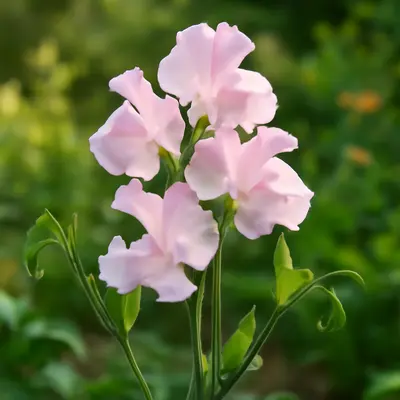
Like vanilla ice cream, this aptly named variety produces blooms that are sweetly scented and creamy in color. Abundant, ivory blooms on healthy plants. Highly fragrant. Stems are shorter than those of other Spencer series varieties, but since the plants are vigorous and productive, foliage and tendrils can be cut with the flowers, providing the extra stem length and greenery needed to fill out bouquets or design work. NOTE: Spencer series sweet peas are known as late-flowering because they require at least 12 hours of daylight, unlike more modern sweet pea varieties bred for winter production, which may require only 10-11 hours of daylight. Attracts hummingbirds.
Harvest
75-85d
Days to harvest
Sun
Full sun
Zones
2–11
USDA hardiness
Height
3-8 feet
Planting Timeline
Showing dates for Spencer Ice Cream in USDA Zone 7
All Zone 7 flower →Zone Map
Click a state to update dates
Spencer Ice Cream · Zones 2–11
Growing Details
Succession Planting
Spencer Ice Cream is a cool-season annual that shuts down in heat, so the succession window is narrow but worth using. In zone 7, direct sow outdoors around mid-March — soil temps of 45-50°F are fine, sweet peas handle cold at germination — then make a second sowing 3 weeks later to push your bloom window into early summer. Don't sow after mid-April in most climates; plants won't mature fast enough before sustained heat ends the show. Soak seed for 12-24 hours before sowing either way; it makes a real difference on germination rate inside that 7-14 day window.
In zones 8-9 where winters stay mild, a fall sowing in October works well — plant at 6-8 inch spacing, let them overwinter as small seedlings, and expect late-winter to early-spring blooms instead of a summer flush.
Complete Growing Guide
Spencer Ice Cream sweet peas reward early attention with their delicate ivory blooms and intoxicating fragrance. For best results, sow seeds indoors four to six weeks before your last spring frost, or direct sow outdoors two to three weeks before the final frost date. Indoor sowing gives you a head start on these vigorous growers and ensures robust plants ready to climb by late spring. If direct sowing, soak seeds overnight to speed germination, then plant them half an inch deep in moist soil.
Prepare your planting area with well-draining soil enriched with compost or aged manure, as Spencer Ice Cream thrives in fertile conditions. Space plants six inches apart along your trellis or support structure; crowding reduces air circulation and invites fungal issues. Full sun is essential—aim for six to eight hours minimum daily, though these late-flowering Spencers actually need at least twelve hours of daylight to set buds reliably, making them ideal for summer gardens rather than early spring or fall plantings.
Water consistently and deeply, providing one to one and a half inches per week depending on rainfall and heat. Keep soil evenly moist but not waterlogged; sweet peas dislike soggy conditions. Feed every two weeks with a balanced fertilizer or one slightly higher in phosphorus to encourage blooming without excessive foliage. As the season progresses and flowering begins around day 75, switch to a higher-phosphorus formula to sustain the prolific ivory flowers this variety is known for.
Watch for powdery mildew, which occasionally affects sweet peas in humid conditions; Spencer Ice Cream's shorter stems may improve air circulation compared to taller varieties, reducing risk. Slug damage on young seedlings is the primary pest concern. Hand-pick slugs in early morning or use beer traps to protect emerging plants. Spider mites can appear during hot, dry stretches, so maintaining consistent moisture helps prevent infestations.
Trellising is crucial for Spencer Ice Cream, even though plants reach only three to eight feet depending on conditions. Install sturdy vertical supports, netting, or twine early; these vigorous vines climb quickly and become difficult to train once established. Pinch out the growing tip when plants reach six inches tall to encourage bushier growth and more flowering stems. Deadhead spent blooms religiously—every three days is ideal—to keep flowers coming for the full season. This variety's shorter natural stem length makes cutting foliage and tendrils alongside flowers an asset rather than a limitation; use these leafy stems to add substance and texture to arrangements.
Many gardeners struggle with Spencer Ice Cream's critical daylength requirement. Unlike modern bred-for-winter varieties, this classic type simply will not flower reliably before mid-summer, no matter how well you feed or water it. Patience is essential—wait until June or later for consistent blooming in northern climates, ensuring your plants receive those necessary twelve daylight hours needed to set their sweetly scented, creamy flowers.
Harvesting
Spencer Ice Cream reaches harvest at 75 - 85 days from sowing per Johnny's Selected Seeds. As an annual, harvest continues until frost ends the season.
Type: Legume.
Edibility: Sweet pea fruits are inedible and poisonous to humans.
Storage & Preservation
Fresh Spencer Ice Cream flowers should be displayed in cool water immediately after cutting, kept at 60-65°F in a cool room away from direct sunlight. Refrigerate cut stems if not using immediately, maintaining 35-40°F and 90% humidity for maximum longevity (7-10 days). Preservation methods: (1) Air-dry bundles in a well-ventilated space away from light for pressed flower arrangements; (2) Glycerin preservation creates long-lasting, pliable stems for floral designs; (3) Freeze petals between parchment paper for later use in crafts or potpourri.
History & Origin
Spencer Ice Cream is open-pollinated, meaning seed saved from healthy plants will produce true-to-type offspring. Listed in the Johnny's Selected Seeds catalog.
Origin: Southern Italy, Sicily, Crete
Advantages
- +Creamy ivory blooms provide elegant, vanilla ice cream-like aesthetic appeal
- +Highly fragrant flowers offer exceptional sweet pea scent in bouquets
- +Vigorous plants produce abundant flowers with harvestable foliage and tendrils
- +Easy to grow with simple cultivation requirements for home gardeners
- +Attracts hummingbirds, adding wildlife interest to gardens and landscapes
Considerations
- -Shorter stems than other Spencer varieties limit solo arrangement possibilities
- -Requires minimum 12 hours daylight, unsuitable for winter or short-day regions
- -Late-flowering nature means 75-85 days before first blooms appear
Companion Plants
Marigolds, Calendula, and Sweet Alyssum all earn their spot near Spencer Ice Cream sweet peas for the same basic reason: they draw hoverflies and parasitic wasps that keep aphid populations from building on the vines. Nasturtiums add a different angle — they're a genuine trap crop for aphids, pulling pressure away from the sweet peas, and they don't grow tall enough to shade them out. Chives and Catmint are worth tucking in nearby for pollinator traffic during the bloom window.
Black Walnut is a hard stop. It releases juglone through its root system, and Lathyrus odoratus is sensitive enough that planting within 50 feet of one is asking for wilted, stunted vines with no obvious explanation. Sunflowers are a subtler problem — they have mild allelopathic properties and will simply outgrow sweet peas by midsummer, cutting off the light the vines need to keep flowering at their 3-8 foot height.
Plant Together
Marigolds
Repel aphids, whiteflies, and nematodes while attracting beneficial insects
Sweet Alyssum
Attracts beneficial insects like lacewings and provides ground cover
Nasturtiums
Act as trap crops for aphids and cucumber beetles, deterring pests from sweet peas
Calendula
Repels aphids and attracts beneficial pollinators and predatory insects
Chives
Deter aphids and other soft-bodied insects with their strong scent
Lavender
Repels moths, fleas, and flies while attracting beneficial pollinators
Catmint
Deters ants, aphids, and flea beetles while attracting beneficial insects
Cosmos
Attracts beneficial insects and provides structural support without competing heavily
Keep Apart
Black Walnut
Produces juglone which is toxic to many plants including legumes like sweet peas
Sunflowers
Allelopathic compounds inhibit growth of nearby plants and compete heavily for nutrients
Eucalyptus
Releases allelopathic compounds that inhibit germination and growth of nearby plants
Troubleshooting Spencer Ice Cream
What you'll see, why it happens, and what to do about it.
Seedlings collapse at soil level, stems pinched or rotted at the base, 7-14 days after germination
Likely Causes
- Damping off (Pythium or Fusarium spp.) — fungal rot triggered by cold, wet, poorly-draining seed-starting mix
- Overwatering before seedlings have true roots established
What to Do
- 1.Toss affected seedlings and any soil they touched — it won't recover
- 2.Water from the bottom only, letting the tray absorb moisture rather than pouring over the top
- 3.Switch to a sterile, well-draining seed-starting mix and don't reuse old mix from a previous season
White powdery coating on leaves and stems, usually appearing after vines have reached 24+ inches, most visible in mid-to-late season
Likely Causes
- Powdery mildew (Erysiphe polygoni) — a fungal pathogen that thrives in warm days, cool nights, and low airflow
- Crowded planting at less than 6 inches spacing, which traps humidity around the foliage
What to Do
- 1.Strip and bag the worst-affected leaves — don't compost them
- 2.Spray remaining foliage with a diluted potassium bicarbonate solution (1 tablespoon per gallon of water) every 7-10 days
- 3.Next season, keep spacing at 6-8 inches and train vines to a trellis that keeps stems off each other
Buds forming but dropping before opening, or flowers are small and few despite healthy-looking foliage
Likely Causes
- Heat stress — sweet peas stop setting flowers reliably when daytime temperatures climb above 75°F for extended stretches
- Overly rich nitrogen fertilizer pushing vegetative growth at the expense of blooms
What to Do
- 1.Cut flowers every 2-3 days without exception — letting even one seed pod develop signals the plant to stop blooming
- 2.Switch from a balanced fertilizer to a low-nitrogen, high-phosphorus formula (something like a 5-10-10) once vines are 12 inches tall
- 3.In warmer zones, 30% shade cloth at midday can extend the bloom window by 2-3 weeks
Frequently Asked Questions
How long do Spencer Ice Cream sweet pea flowers last in a vase?▼
Is Spencer Ice Cream sweet pea good for beginners?▼
Can you grow Spencer Ice Cream sweet peas in containers?▼
When should I plant Spencer Ice Cream sweet pea seeds?▼
What does Spencer Ice Cream sweet pea smell like?▼
How do the stems of Spencer Ice Cream compare to other sweet peas?▼
Zone-by-Zone Planting Calendar
| Zone | Indoor Start | Transplant | Direct Sow | Harvest |
|---|---|---|---|---|
| Zone 3 | April – May | June – July | June – August | — |
| Zone 4 | March – April | June – June | June – July | — |
| Zone 5 | March – April | May – June | May – July | — |
| Zone 6 | March – April | May – June | May – July | — |
| Zone 7 | February – March | April – May | April – June | — |
| Zone 8 | February – March | April – May | April – June | — |
| Zone 9 | January – February | March – April | March – May | — |
| Zone 10 | January – January | February – March | February – April | — |
| Zone 1 | May – June | July – August | July – September | — |
| Zone 2 | April – May | June – July | June – August | — |
| Zone 11 | January – January | January – February | January – March | — |
| Zone 12 | January – January | January – February | January – March | — |
| Zone 13 | January – January | January – February | January – March | — |
Growing Guides from Wind River Greens
Sources & References
External authority sources used in compiling this guide.
- BreederJohnny's Selected Seeds
See the Methodology page for how this data is sourced, what's AI-assisted, and known limitations.