Spencer Ripple Formula Mix
Lathyrus odoratus
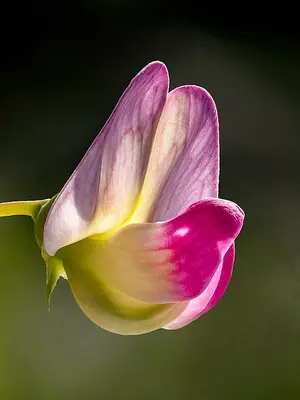
These flowers look as good as they smell with their uniquely ruffled, bicolor petals. Displayed alone or mixed with solid color varieties in bouquets, they are simply gorgeous. One of the most fragrant sweet pea varieties. Very popular in England. Can be spelled either as sweet pea or sweetpea. Attracts hummingbirds.
Harvest
75-85d
Days to harvest
Sun
Full sun
Zones
2–11
USDA hardiness
Height
3-8 feet
Planting Timeline
Showing dates for Spencer Ripple Formula Mix in USDA Zone 7
All Zone 7 flower →Zone Map
Click a state to update dates
Spencer Ripple Formula Mix · Zones 2–11
Growing Details
Succession Planting
Spencer sweet peas don't keep producing through heat the way a pepper or tomato does — once daytime highs push past 80°F, bloom quality crashes and the plants start to decline. That means your succession goal isn't extending the season indefinitely; it's staggering your peak bloom. In zone 7, start one batch indoors in late February, sow a second batch directly in mid-April, and stop there. The second sowing will bloom 2-3 weeks after the first, giving you a longer cut-flower window without the later plants hitting a heat wall before they ever get going.
Don't bother with a July sowing hoping for fall blooms — germination will be fine, but the plants won't size up and set buds before shorter days and erratic fall temps undercut them. Fall sweet peas are a separate cool-season project, best started from seed in late September using a cold-tolerant variety bred for that window.
Complete Growing Guide
Spencer Ripple Formula Mix sweet peas perform best when direct sown into the garden approximately two weeks before your last spring frost date, as they thrive in cool soil and won't germinate if conditions are too warm. You can also start seeds indoors four to six weeks before the last frost, sowing them into individual pots to minimize transplant shock, which this variety appreciates. Soak seeds in room temperature water for 24 hours before planting to improve germination rates, and consider scarifying the seed coat lightly with sandpaper for even better results.
Prepare your planting site with well-draining soil rich in organic matter, working in compost before sowing. Space plants or thin seedlings to 6 inches apart, as adequate air circulation helps prevent fungal diseases. Plant seeds about half an inch deep, pressing them firmly into contact with the soil. These vigorous climbers will reach between three and eight feet depending on your growing conditions and support structure, so install sturdy trellising, netting, or branches at planting time rather than waiting until vines establish.
Water consistently and deeply, aiming for one to two inches per week depending on rainfall and heat. Spencer Ripple Formula Mix prefers consistently moist but never waterlogged soil. Feed with a balanced, all-purpose fertilizer every three to four weeks, or switch to a lower-nitrogen formula once flowering begins to encourage blooms rather than excessive foliage. The bicolor, ruffled petals of this variety are most spectacular when the plant receives steady nutrition throughout the growing season.
Watch particularly for powdery mildew on the Spencer Ripple Formula Mix, especially during warm, humid summers or if air circulation becomes restricted. Space plants generously and remove lower leaves as the season progresses to improve airflow. Spider mites can also trouble this variety in hot, dry conditions, so consistent watering helps deter them. Thrips occasionally damage the delicate, crimped flowers, but regular inspection allows you to catch infestations early.
Pinch out the growing tip when seedlings reach four inches tall to encourage branching and fuller plant architecture. Remove spent flowers every two to three days—this cannot be overstated—as this variety blooms prolifically only when you deadhead consistently. Even missing flowers for a week can signal the plant that seed production is successful, dramatically reducing subsequent flowering. For continuous blooms through the season, consider succession planting seeds every two weeks until early summer.
The most common mistake gardeners make with Spencer Ripple Formula Mix is allowing inadequate air circulation around the base of the plants. Crowded conditions combined with the variety's tendency toward powdery mildew create persistent disease problems that stunt growth and reduce those gorgeous fragrant flowers. Resist the temptation to plant too densely, even though the seed packets and nursery catalogs make them seem irresistible.
Harvesting
Spencer Ripple Formula Mix reaches harvest at 75 - 85 days from sowing per Johnny's Selected Seeds. As an annual, harvest continues until frost ends the season.
Type: Legume.
Edibility: Sweet pea fruits are inedible and poisonous to humans.
Storage & Preservation
Fresh sweet peas should be stored in the refrigerator in a vase with cool water, changed daily, to maintain freshness for 7-10 days. Keep stems in water at temperatures between 35-40°F with moderate humidity. For preservation, air-dry bunches upside down in a cool, dark, well-ventilated space for 2-3 weeks to create dried arrangements. Alternatively, press individual flowers between paper for botanical preservation, or freeze blooms in ice cubes with water for decorative use in beverages.
History & Origin
Spencer Ripple Formula Mix is open-pollinated, meaning seed saved from healthy plants will produce true-to-type offspring. Listed in the Johnny's Selected Seeds catalog.
Origin: Southern Italy, Sicily, Crete
Advantages
- +Uniquely ruffled bicolor petals create stunning visual appeal in arrangements
- +Exceptionally fragrant variety rivals other sweet pea cultivars in scent intensity
- +Attracts hummingbirds and pollinators, enhancing garden biodiversity and beauty
- +Easy growing difficulty makes it ideal for beginner gardeners
- +Very popular heritage variety proven successful in English gardens
Considerations
- -75-85 day maturity requires extended growing season in short-season climates
- -Sweet peas are prone to powdery mildew in humid conditions
- -Requires sturdy trellising or support structures to prevent flopping
Companion Plants
Marigolds and calendula earn their spot next to sweet peas by repelling aphids — which will absolutely find Spencer Ripple vines — through scent compounds that disrupt pest orientation. Alyssum and cosmos do something different: they draw in parasitic wasps and hoverflies that prey on soft-bodied insects, so you're building background pest pressure into the bed without spraying anything. Nasturtiums pull double duty as a trap crop; aphids will pile onto them before touching the sweet peas, so a short row planted 12-18 inches away keeps the worst damage off your blooms. In our zone 7 Georgia garden, that aphid pressure peaks in March and April right when the vines are climbing hardest, so having these companions already established — not just seeded the same day — is what makes the difference.
Black walnut produces juglone, a root-zone toxin that accumulates in the soil and will stunt or kill Lathyrus outright; the safe distance depends on tree size, but 60 feet is a reasonable floor. Fennel is allelopathic to most garden plants through root secretions and volatile compounds, and sweet peas are no exception. Neither is a borderline case — just keep them out of the same bed.
Plant Together
Marigolds
Repel aphids, whiteflies, and nematodes while attracting beneficial insects
Nasturtiums
Act as trap crops for aphids and cucumber beetles, protecting sweet peas
Alyssum
Attracts beneficial predatory insects like lacewings and parasitic wasps
Lavender
Repels moths and other pests while attracting pollinators
Chives
Repel aphids and thrips with their strong sulfur compounds
Calendula
Attracts beneficial insects and may help deter aphids and whiteflies
Cosmos
Attracts beneficial predatory insects and provides complementary flower colors
Rosemary
Repels various garden pests with strong aromatic oils
Keep Apart
Black Walnut
Produces juglone which is toxic to many flowering plants including legumes
Fennel
Releases allelopathic compounds that inhibit growth of most garden plants
Eucalyptus
Produces allelopathic compounds that suppress growth of nearby plants
Troubleshooting Spencer Ripple Formula Mix
What you'll see, why it happens, and what to do about it.
Powdery white coating on leaves and stems, usually appearing first on older growth once temperatures warm above 70°F
Likely Causes
- Powdery mildew (Erysiphe polygoni) — a fungal pathogen that thrives in warm days and cool nights with poor airflow
- Crowded planting at less than 4-inch spacing blocking circulation between vines
What to Do
- 1.Strip and bag the worst-affected leaves; don't compost them
- 2.Thin plants to at least 6 inches apart and retrain vines so they're not piled on each other
- 3.Apply a diluted neem oil spray (2 tsp per quart of water with a drop of dish soap) every 7 days until symptoms stop spreading
Buds forming but dropping before opening, or flowers shriveling within a day or two of bloom
Likely Causes
- Heat stress — Spencer sweet peas stop performing reliably once daytime highs exceed 80°F consistently
- Inconsistent watering causing drought stress during bud development
What to Do
- 1.Mulch the root zone 2-3 inches deep with straw to keep soil temps down and moisture even
- 2.Water deeply at the base 2-3 times per week rather than shallow daily watering
- 3.Accept that the bloom window closes in late spring in zone 7 — plan your sow date backward from that cutoff
Stunted seedlings with yellowing lower leaves and slow climbing, 3-4 weeks after germination
Likely Causes
- Nitrogen deficiency in sandy or low-organic-matter soils
- Root rot from waterlogged soil — Lathyrus odoratus is sensitive to standing water even briefly
What to Do
- 1.Side-dress with a balanced granular fertilizer (10-10-10 at label rate) or work in 2-3 inches of finished compost around the base
- 2.Check drainage — if water pools for more than 30 minutes after rain, amend with compost or move to a raised bed
- 3.If roots look brown and mushy when you pull a seedling, the bed is too wet; improve drainage before replanting
Frequently Asked Questions
How long do Spencer Ripple sweet pea flowers last in a vase?▼
Is Spencer Ripple a good sweet pea variety for beginners?▼
Can you grow Spencer Ripple sweet peas in containers?▼
What makes Spencer Ripple different from other sweet pea varieties?▼
When should I plant Spencer Ripple sweet peas?▼
Do Spencer Ripple sweet peas attract pollinators?▼
Zone-by-Zone Planting Calendar
| Zone | Indoor Start | Transplant | Direct Sow | Harvest |
|---|---|---|---|---|
| Zone 3 | April – May | June – July | June – August | — |
| Zone 4 | March – April | June – June | June – July | — |
| Zone 5 | March – April | May – June | May – July | — |
| Zone 6 | March – April | May – June | May – July | — |
| Zone 7 | February – March | April – May | April – June | — |
| Zone 8 | February – March | April – May | April – June | — |
| Zone 9 | January – February | March – April | March – May | — |
| Zone 10 | January – January | February – March | February – April | — |
| Zone 1 | May – June | July – August | July – September | — |
| Zone 2 | April – May | June – July | June – August | — |
| Zone 11 | January – January | January – February | January – March | — |
| Zone 12 | January – January | January – February | January – March | — |
| Zone 13 | January – January | January – February | January – March | — |
Growing Guides from Wind River Greens
Sources & References
External authority sources used in compiling this guide.
- BreederJohnny's Selected Seeds
See the Methodology page for how this data is sourced, what's AI-assisted, and known limitations.