Seeker White
Limonium sinuatum
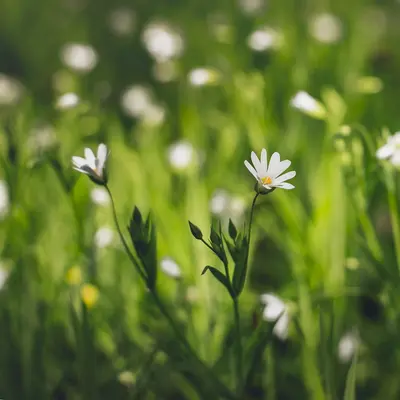
1 1/2-3" flower clusters are produced on strong stems in the field and greenhouse. Blooms are pure white, with some showing a slight blush of pink. Also known as annual statice and wavyleaf sea lavender.
Harvest
110-120d
Days to harvest
Sun
Full sun
Zones
8–10
USDA hardiness
Height
12-18 inches
Planting Timeline
Showing dates for Seeker White in USDA Zone 7
All Zone 7 flower →Zone Map
Click a state to update dates
Seeker White · Zones 8–10
Growing Details
Succession Planting
Statice is worth one succession planting, but don't stretch it further than two rounds. Start your first tray indoors in February, transplant in April after last frost, and you'll hit harvest around late July to August. For a second flush of stems into fall, start a second tray in March and get those plants in the ground by mid-May. Much past that and you're racing the heat — statice stalls when daytime highs push above 90°F consistently, which in Georgia happens reliably by July.
Two rounds is about the practical limit for a warm-season annual in this climate. Statice also dries exceptionally well, so cut aggressively at peak bloom rather than letting stems linger on the plant — you'll pull more usable stems from each succession that way.
Complete Growing Guide
Light: Full sun (6 or more hours of direct sunlight a day). Soil: Loam (Silt), Sand. Soil pH: Acid (<6.0), Alkaline (>8.0), Neutral (6.0-8.0). Drainage: Good Drainage, Occasionally Dry. Height: 1 ft. 0 in. - 1 ft. 6 in.. Spread: 0 ft. 9 in. - 1 ft. 0 in.. Spacing: 12 inches-3 feet. Growth rate: Rapid. Maintenance: Low. Propagation: Seed. Regions: Coastal, Piedmont.
Harvesting
Seeker White reaches harvest at 110 - 120 days from sowing per Johnny's Selected Seeds. Expect 1 1/2-3" at peak. As an annual, harvest continues until frost ends the season.
Type: Capsule.
Storage & Preservation
Seeker White flowers have excellent drying properties, making them ideal for long-term preservation. For fresh blooms, store upright in a vase with cool water at 65-72°F in a cool location away from direct sunlight; they'll last 7-10 days. Avoid ethylene-producing fruits nearby. Preservation methods: (1) Hang-dry bundles upside down in a warm, dark, well-ventilated space for 2-3 weeks to create lasting dried arrangements; (2) Air-dry on a flat surface, turning occasionally; (3) Press individual flower heads between newspaper for 2-4 weeks for crafts. Properly dried flowers maintain quality for 12+ months in a cool, dry location.
History & Origin
Origin: Mediterranean to western Sahara
Advantages
- +Attracts: Pollinators
- +Fast-growing
- +Low maintenance
Companion Plants
Marigolds and calendula pull real weight here. Both release compounds from their roots that deter soil nematodes, and since Seeker White is a slow grower — 110 to 120 days to harvest — anything reducing belowground pressure across that long window is worth the bed space. Sweet alyssum is a solid edge plant too; its tiny flowers draw parasitic wasps that knock back aphid populations before they have a chance to build up on statice stems. In a dedicated cut-flower bed, cosmos and zinnias are a practical fill: they mature faster, so you're cutting something useful while the statice finishes.
Black walnut is the one to keep far from your statice. Juglone moves through the soil well beyond where the canopy ends — in our zone 7 Georgia gardens, older residential lots often have established walnuts whose root zones quietly poison a wide ring of planting beds that look completely clear of the tree. Sunflowers are a subtler problem: they shed allelopathic compounds through their roots and are aggressive water competitors. Statice doesn't have the vigor to push back on either.
Plant Together
Marigolds
Repel nematodes, aphids, and other harmful insects while attracting beneficial pollinators
Sweet Alyssum
Attracts beneficial insects like hoverflies and parasitic wasps that control pests
Nasturtiums
Act as trap crops for aphids and cucumber beetles, drawing them away from main plants
Lavender
Repels moths, fleas, and mosquitoes while attracting bees and butterflies
Cosmos
Attract beneficial insects and provide structure without competing for nutrients
Chives
Repel aphids and Japanese beetles while improving soil with their root system
Calendula
Attract pollinators and beneficial insects while repelling tomato hornworms and aphids
Zinnia
Attract butterflies and beneficial insects while providing complementary colors
Keep Apart
Black Walnut
Releases juglone toxin that inhibits growth and can kill many flowering plants
Eucalyptus
Produces allelopathic compounds that suppress growth of nearby plants
Sunflowers
Release allelopathic chemicals and compete heavily for water and nutrients
Tree of Heaven
Highly allelopathic invasive species that inhibits growth of most other plants
Troubleshooting Seeker White
What you'll see, why it happens, and what to do about it.
Rosette leaves turning gray-white and powdery, usually after a stretch of humid nights in late spring
Likely Causes
- Powdery mildew (Erysiphe cichoracearum) — thrives when nights are cool and humid but days are warm, common in Georgia's shoulder seasons
- Crowded spacing that chokes airflow between plants
What to Do
- 1.Give plants at least 12 inches between them at transplant — don't crowd them just because the seedlings look small
- 2.Spray affected leaves with a diluted neem oil solution (2 tbsp per gallon) every 7 days until the flush clears
- 3.Pull and trash heavily infected leaves; don't compost them
Seedlings collapsing at the soil line within 2 weeks of germination — stems pinch thin and fall over
Likely Causes
- Pythium or Rhizoctonia damping-off fungi, almost always triggered by overwatered seed trays or poorly draining starting mix
- Sowing too thickly so moisture stays trapped between seedlings
What to Do
- 1.Water seed trays from the bottom and let the top inch of mix dry slightly between waterings
- 2.Run a small fan near your seed trays for 1-2 hours a day to keep surface moisture down
- 3.Remove collapsed seedlings immediately and stop overhead watering until survivors stabilize
Frequently Asked Questions
How long do Seeker White flowers last in a vase?▼
Is Seeker White a good flower for beginners?▼
Can you grow Seeker White flowers in containers?▼
When should I plant Seeker White seeds?▼
What are Seeker White flowers used for?▼
How much water does Seeker White need?▼
Zone-by-Zone Planting Calendar
| Zone | Indoor Start | Transplant | Direct Sow | Harvest |
|---|---|---|---|---|
| Zone 1 | May – June | July – August | July – September | — |
| Zone 2 | April – May | June – July | June – August | — |
| Zone 11 | January – January | January – February | January – March | — |
| Zone 12 | January – January | January – February | January – March | — |
| Zone 13 | January – January | January – February | January – March | — |
| Zone 3 | April – May | June – July | June – August | — |
| Zone 4 | March – April | June – June | June – July | — |
| Zone 5 | March – April | May – June | May – July | — |
| Zone 6 | March – April | May – June | May – July | — |
| Zone 7 | February – March | April – May | April – June | — |
| Zone 8 | February – March | April – May | April – June | — |
| Zone 9 | January – February | March – April | March – May | — |
| Zone 10 | January – January | February – March | February – April | — |
Growing Guides from Wind River Greens
Sources & References
External authority sources used in compiling this guide.
- BreederJohnny's Selected Seeds
See the Methodology page for how this data is sourced, what's AI-assisted, and known limitations.