Oklahoma Pink
Zinnia elegans
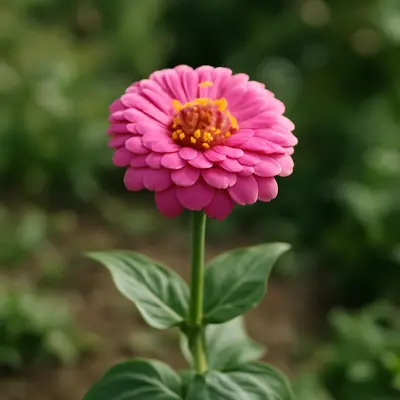
Prolific 1 1/2-2 1/2" double and semidouble petite, yet sturdy, bright pink blooms. Excellent, reliable accent flowers for market bouquets, wedding flowers, and event work. Cut-and-come-again flower, yielding multiple cuts over the season.
Harvest
75-90d
Days to harvest
Sun
Full sun
Zones
2–11
USDA hardiness
Height
0-3 feet
Planting Timeline
Showing dates for Oklahoma Pink in USDA Zone 7
All Zone 7 flower →Zone Map
Click a state to update dates
Oklahoma Pink · Zones 2–11
Growing Details
Succession Planting
Oklahoma Pink zinnias bloom for a long time on a single sowing, but the plants do get ragged and mildew-prone by late summer — so one succession sow is worth doing. In zone 7, direct sow your first round April 1 through April 15 after last frost risk passes. Then sow a second round around June 1 to carry fresh, clean plants into fall. Don't push a third sowing past late June; seeds need daytime highs above 70°F to germinate well (5 to 10 days at 75°F is ideal), but plants started after July 1 often won't reach full bloom before your first fall frost in mid-October.
Germination is fast enough — 5 to 10 days — that direct sowing is usually easier than starting indoors, unless you're trying to hit a specific market date. Thin to 9 to 12 inches; crowded seedlings are where your powdery mildew problems start.
Complete Growing Guide
Oklahoma Pink zinnias are forgiving but reward thoughtful site prep with months of cutting. Choose a spot with full sun — at least 6 hours, ideally 8 — and good air circulation, which is your single best defense against the powdery mildew that plagues zinnias late in the season. Avoid low spots where dew lingers.
Work the bed deeply before planting, incorporating 2–3 inches of finished compost. Zinnias aren't heavy feeders, but they appreciate loose, well-drained soil with a pH around 6.0–7.5. Skip high-nitrogen fertilizers — they'll give you lush foliage at the expense of blooms.
In most zones, direct sowing is easier than transplanting. Wait until soil temperatures reach 70°F (typically 1–2 weeks after your last frost) and sow seeds ¼ inch deep, spacing them 9–12 inches apart for cut-flower production. Closer spacing forces longer stems. If you want a head start, sow indoors 4 weeks before transplanting — but no earlier, as zinnias resent being root-bound and sulk after transplant if started too soon.
When seedlings reach 8–12 inches tall, pinch out the central growing tip just above a leaf pair. This single step is the most important thing you can do — it forces the plant to branch low and produces dramatically more usable stems. Skip it and you'll get one tall central bloom and weaker side shoots.
Water deeply at the soil line once or twice weekly, providing about an inch total. Avoid overhead watering, which invites mildew and bacterial leaf spot. Mulch with 2 inches of straw or shredded leaves to conserve moisture and keep soil splashes off lower foliage. A light side-dressing of balanced fertilizer (or a diluted fish emulsion drench) once mid-season is plenty.
In humid southern zones (7–9), space plants on the wider end and consider preventive applications of a milk spray or biofungicide once humidity climbs. Northern growers (zones 4–6) should start with transplants to maximize the short season.
The most common mistake? Letting blooms go to seed on the plant. Once a zinnia produces mature seed heads, it slows new flower production dramatically. Cut aggressively — even flowers you don't need — to keep the plant in production mode. Stake taller plantings or run a single layer of horizontal netting (Hortonova) at 18 inches when plants are young; the stems will grow up through it and stay upright through summer storms.
Harvesting
Harvest Oklahoma Pink in the cool of early morning, when stems are fully hydrated. Timing is critical with zinnias — pick too early and stems will droop within hours. Use the wiggle test: grasp the stem about 8 inches below the bloom and gently shake. If the flower head flops or bends, it's not ready. If the stem stays rigid and the bloom holds upright, it's ready to cut. Fully open blooms with a tight, firm center give the longest vase life.
Use sharp, clean snips and cut deep into the plant — at least 12–18 inches down, taking the stem back to a strong leaf node or branch junction. This counterintuitive deep cut signals the plant to push out longer replacement stems rather than short, useless ones. Strip lower leaves immediately and plunge stems into clean, cool water. Harvest every 2–3 days throughout the season to maintain prolific reblooming.
Storage & Preservation
After cutting, condition Oklahoma Pink stems in cool water with floral preservative for at least 2 hours before arranging. Properly conditioned, blooms hold 7–10 days in a vase. Store at 38–40°F if you need to hold them, but zinnias are sensitive to chilling injury — don't refrigerate below 36°F or petals will brown.
For preservation, zinnias dry beautifully using silica gel, which preserves their shape and color far better than air drying (which tends to shrivel petals). Bury fully open blooms face-up in silica gel for 4–7 days. Pressed flowers also work well for botanical art — press at peak bloom between absorbent paper for 2–3 weeks. You can also save seed by allowing a few late-season blooms to fully dry on the plant before collecting.
History & Origin
The Oklahoma series was developed and introduced through cut-flower breeding programs aimed at creating a zinnia specifically suited to commercial floristry — a niche where the popular Benary's Giant series, with its 4–5 inch heads, was sometimes too large for mixed bouquet work. Bred from Zinnia elegans lines, the Oklahoma series produces smaller, more refined 1½–2½ inch blooms on long, sturdy stems in a coordinated palette: Oklahoma Pink, Salmon, White, Ivory, Carmine, and Formula Mix.
While zinnias themselves are native to Mexico and the southwestern United States — where they were cultivated by the Aztecs and named for German botanist Johann Gottfried Zinn in the 18th century — the Oklahoma series is a modern open-pollinated heirloom-type selection that has become a backbone of the small-farm flower movement. Growers like Floret Flower Farm helped popularize the series in the 2010s as the locally-grown wedding flower industry exploded, and Oklahoma Pink in particular became a staple for its dependable color and exceptional productivity over a long harvest window.
Advantages
- +Exceptional cut-and-come-again productivity — single plant yields dozens of stems per season
- +Petite 1½–2½ inch bloom size is ideal for bouquet and bridal work where larger zinnias overwhelm
- +Sturdy, long stems hold up to shipping and event handling without flopping
- +Clear, true bright pink color with no muddy undertones — coordinates beautifully with other Oklahoma series colors
- +Open-pollinated heirloom — you can save seed and grow it again next year
- +Excellent vase life of 7–10 days when properly conditioned
- +Easy to grow from direct-sown seed, even for beginners
Considerations
- -Highly susceptible to powdery mildew in humid climates, especially late season
- -Requires aggressive, frequent harvesting to maintain bloom production — let seed heads form and yield drops sharply
- -Stems can droop badly if cut at the wrong stage — the wiggle test is essential
- -Sensitive to cold soil and frost; cannot be planted out early
- -Needs pinching when young to reach full productivity, an extra step many gardeners skip
Companion Plants
Marigolds and Sweet Alyssum do the most work. French marigolds ('Petite Gold' is a reliable type) repel aphids and deter cucumber beetles through root secretions and volatile scent compounds — useful because Oklahoma Pink draws steady aphid pressure all summer long. Sweet Alyssum pulls in parasitic wasps and hoverflies whose larvae feed directly on aphid colonies, so running it as a low border 6 to 8 inches from your zinnia row gives you a live-in pest crew. Nasturtiums are worth adding as a trap crop: aphids hit them first and hard, which gives your zinnia blooms a bit of breathing room. In our zone 7 Georgia summers, that aphid pressure arrives fast — usually by early June — so having these companions already established and flowering before then is what actually makes the difference.
Fennel (Foeniculum vulgare) doesn't belong anywhere near Oklahoma Pink. It produces root exudates that suppress growth in a wide range of flowering annuals, and zinnia is not especially tolerant of it. Black walnut is a harder boundary — the tree releases juglone through its roots, and sensitive annuals planted within that root zone tend to yellow, stall, and die without any obvious cause. If you're losing zinnias in a bed near a walnut tree and can't figure out why, that's the first thing to check.
Plant Together
Marigolds
Repel aphids, whiteflies, and nematodes while attracting beneficial insects
Lavender
Deters pests with strong fragrance and attracts pollinators
Nasturtiums
Act as trap crop for aphids and cucumber beetles
Sweet Alyssum
Attracts beneficial insects like ladybugs and lacewings
Catmint
Repels ants, aphids, and rodents while being drought tolerant
Zinnia
Attracts butterflies and beneficial predatory insects
Cosmos
Attracts beneficial insects and provides complementary colors
Salvia
Repels harmful insects and attracts hummingbirds and butterflies
Keep Apart
Black Walnut
Produces juglone toxin that inhibits growth of most flowering plants
Eucalyptus
Releases allelopathic compounds that suppress nearby plant growth
Fennel
Inhibits growth of most garden plants through allelopathy
Pests & Disease Resistance
Common Pests
Aphids, Japanese beetles, spider mites, cucumber beetles
Diseases
Powdery mildew, bacterial leaf spot, alternaria blight, botrytis
Troubleshooting Oklahoma Pink
What you'll see, why it happens, and what to do about it.
White powdery coating on upper leaf surfaces, usually appearing mid-summer on older foliage first
Likely Causes
- Powdery mildew (Erysiphe cichoracearum) — thrives in warm days and cool nights with poor airflow
- Crowded spacing under 9 inches that traps humidity between plants
What to Do
- 1.Strip and trash the worst-affected leaves — don't compost them
- 2.Spray remaining foliage with a diluted potassium bicarbonate solution (1 tbsp per gallon) every 7 days until symptoms stop spreading
- 3.Next planting, hold to 12-inch spacing and avoid overhead irrigation — drip or ground-level watering keeps foliage dry
Petals and buds turning brown and mushy during long stretches of wet weather, often starting at the center of the bloom
Likely Causes
- Botrytis blight (Botrytis cinerea) — a gray mold that moves fast on spent blooms in high humidity
- Dead flower heads left on the plant that give the fungus an easy entry point
What to Do
- 1.Deadhead every 2 to 3 days during rainy periods and throw the spent heads in the trash
- 2.Thin any plants that have grown into each other to restore airflow
- 3.If the crown itself is rotting, pull and discard the whole plant; Botrytis spreads quickly to neighbors
Leaves stippled with tiny pale dots, undersides dusty or faintly webbed, plants looking washed out by late July
Likely Causes
- Two-spotted spider mites (Tetranychus urticae) — population explosions happen fast in hot, dry stretches above 90°F
- Drought stress that weakens the plant's ability to resist mite feeding
What to Do
- 1.Blast the undersides of leaves with a strong stream of water every morning for 4 to 5 days — knocks mites off and disrupts breeding
- 2.Apply insecticidal soap or neem oil to leaf undersides in the early morning (not midday — it'll burn), repeating every 5 to 7 days
- 3.Keep plants watered to about 1 inch per week; stressed plants are hit harder and recover slower
Frequently Asked Questions
How long does Oklahoma Pink zinnia take to bloom?▼
Is Oklahoma Pink zinnia good for beginners?▼
Can you grow Oklahoma Pink zinnias in containers?▼
What's the difference between Oklahoma Pink and Benary's Giant Pink?▼
When should I plant Oklahoma Pink zinnia seeds?▼
Why are my Oklahoma Pink zinnia stems so short?▼
Zone-by-Zone Planting Calendar
| Zone | Indoor Start | Transplant | Direct Sow | Harvest |
|---|---|---|---|---|
| Zone 1 | May – June | July – August | July – September | — |
| Zone 2 | April – May | June – July | June – August | — |
| Zone 11 | January – January | January – February | January – March | — |
| Zone 12 | January – January | January – February | January – March | — |
| Zone 13 | January – January | January – February | January – March | — |
| Zone 3 | April – May | June – July | June – August | — |
| Zone 4 | March – April | June – June | June – July | — |
| Zone 5 | March – April | May – June | May – July | — |
| Zone 6 | March – April | May – June | May – July | — |
| Zone 7 | February – March | April – May | April – June | — |
| Zone 8 | February – March | April – May | April – June | — |
| Zone 9 | January – February | March – April | March – May | — |
| Zone 10 | January – January | February – March | February – April | — |
Growing Guides from Wind River Greens
Sources & References
External authority sources used in compiling this guide.
- BreederJohnny's Selected Seeds
See the Methodology page for how this data is sourced, what's AI-assisted, and known limitations.