Agave
Zinnia elegans
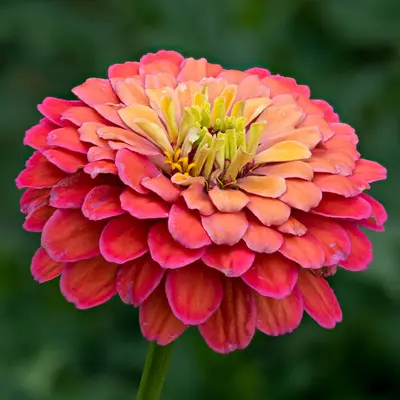
Gorgeous blend of sunset colors and large, heavily quilled double blooms. Early flowering plants produce 4-6" densely petaled blooms in a cohesive blend of muted buff, coral, gold, peach, pink, and orange hues. For years we've admired these special colors that appear only occasionally in some of the field-grown mixes and in 2019, we began breeding Agave. Contains a very small percentage of semidouble and/or single blooms.
Harvest
75-85d
Days to harvest
Sun
Full sun
Zones
2–11
USDA hardiness
Height
0-3 feet
Planting Timeline
Showing dates for Agave in USDA Zone 7
All Zone 7 flower →Zone Map
Click a state to update dates
Agave · Zones 2–11
Growing Details
Succession Planting
Zinnias keep blooming as long as you deadhead them, but they do slow down and get leggy by late summer, and a single sowing rarely carries a cutting garden through the whole season. Direct sow every 3 weeks from April 1 through June 15 in zone 7; stop there — seeds sown after mid-June will germinate fine but the plants hit their stride right as heat and humidity peak, which accelerates powdery mildew and shortens vase life.
If you started an indoor flat in February or March, transplant out after your last frost (typically mid-April in north Georgia) and time your first direct sowing 3 weeks behind that. Germination runs 5–7 days in soil at 70–75°F, so successions establish quickly. Cut blooms every 2–3 days at peak to keep new buds coming on earlier plantings while the later ones catch up.
Complete Growing Guide
Agave zinnias thrive on warmth, sunshine, and steady airflow, so begin by choosing a site that receives at least six to eight hours of direct sun daily. These plants resent cold, wet feet, so prepare beds by working two to three inches of finished compost into the top eight inches of soil. If your ground tends to compact or hold water, build slightly raised rows — zinnias root deeply and quickly when given loose, friable soil.
You can direct sow Agave after your last frost date once soil temperatures hit 70°F, but for the longest possible bloom window, start seeds indoors four weeks before transplanting. Sow 1/4 inch deep in cell trays, keep at 75-80°F, and expect germination in 5-7 days. Harden off seedlings for a week before transplanting into the garden. Space plants 9-12 inches apart for cut-flower production — closer spacing encourages longer, straighter stems by forcing the plants to reach for light.
When plants reach 8-12 inches tall, pinch out the top 3-4 inches just above a set of leaves. This single step is the most important thing you can do: it triggers branching, doubles your stem count, and produces longer cutting stems. Skipping the pinch leaves you with one short central bloom and far less productivity.
Feed lightly. Zinnias bloom best on moderate fertility — too much nitrogen produces lush foliage at the expense of flowers. A single side-dress of balanced organic fertilizer at transplant, followed by a diluted fish-and-kelp drench once flowering starts, is plenty. Water deeply at the base of the plants in the morning, aiming for one inch per week. Avoid overhead watering, which encourages powdery mildew — the single most common issue with zinnias, especially in late summer when nights cool down.
Mulch with two inches of straw or fine bark to maintain even moisture and suppress weeds. In humid climates (Zones 7 and warmer with summer humidity), give plants extra spacing and prune out crowded interior growth to maximize airflow. In cooler short-season zones (3-5), starting indoors is essential to enjoy a meaningful harvest before frost.
Common mistakes to avoid: overcrowding without pinching, overhead watering at dusk, and harvesting too early before stems have hardened. Deadhead or harvest constantly — every bloom you cut triggers two more. Zinnias respond to harvest like nothing else in the cutting garden; the more you cut, the more they produce, right up until frost blackens the foliage. For maximum yield, plan a single succession sowing 3-4 weeks after your first to keep fresh, vigorous plants coming into production in late summer.
Harvesting
Agave zinnias are ready to harvest roughly 75-85 days from sowing, with the first blooms appearing slightly earlier than many double zinnia varieties. The most reliable harvest indicator is the wiggle test: grasp the stem 8-10 inches below the bloom and gently shake it. If the stem is stiff and the flower head stays upright, it's ready to cut. If the stem bends or the bloom flops, leave it on the plant another day or two — zinnias cut too early will never fully open and will wilt within hours in the vase.
Harvest in the cool of early morning when stems are fully hydrated. Use sharp, clean snips and cut deep into the plant — 12 to 18 inches down, just above a leaf node — to encourage long replacement stems. Strip lower foliage immediately and plunge stems into clean, cool water. Properly harvested Agave blooms hold 7-10 days in the vase.
Storage & Preservation
Fresh-cut Agave zinnias last 7-10 days in a vase when stems are recut at an angle and water is changed every 2-3 days. Add a pinch of floral preservative or a drop of bleach plus a teaspoon of sugar to extend vase life. Keep arrangements out of direct sun and away from ripening fruit, which releases ethylene gas that shortens bloom life. Zinnias do not store well in cold refrigeration — temperatures below 40°F damage the petals and cause browning.
For preservation, zinnias can be air-dried by hanging small bundles upside down in a dark, well-ventilated space for 2-3 weeks, though colors fade noticeably. Silica gel drying yields far better color retention and works particularly well with Agave's warm sunset palette. Pressed zinnia petals also retain their tones beautifully for use in resin or paper crafts.
History & Origin
Zinnias trace their origins to the dry grasslands of Mexico, where Zinnia elegans was cultivated by the Aztecs long before Spanish colonization. The flower was named in the 18th century after German botanist Johann Gottfried Zinn, and breeding work over the past two centuries has expanded the species from its original modest single blooms into the enormous diversity of forms grown today.
The Agave variety is a recent introduction developed by specialty cut-flower breeders who began selecting for its distinctive sunset palette in 2019. The colors — muted buff, coral, peach, gold, and antique pink — had long appeared as occasional surprises in field-grown zinnia mixes, where growers noticed certain plants producing uniquely soft, blended tones rather than the saturated primaries common in commercial seed strains. Through several years of selection for color cohesion, early flowering, and the heavily quilled double form, Agave was stabilized as a dedicated mix capturing that elusive sunset look in a reliable, reproducible variety prized for wedding work and modern romantic floral design.
Advantages
- +Distinctive muted sunset palette unavailable in standard zinnia mixes
- +Heavily quilled double blooms with exceptional petal density
- +Early flowering — first blooms appear sooner than most double varieties
- +Long, sturdy stems ideal for cut-flower production
- +Extremely productive when pinched and harvested regularly
- +Easy enough for first-time flower growers to succeed with
- +Heat and drought tolerant once established
Considerations
- -Susceptible to powdery mildew in humid climates or with overhead watering
- -Contains a small percentage of semidouble and single blooms — not 100% uniform
- -Petals bruise easily if cut wet or handled roughly
- -Will not bloom well without pinching at 8-12 inches
- -Frost-sensitive — production ends with the first hard freeze
Companion Plants
Lavender, rosemary, and salvia are your best neighbors here. All three are woody, low-water plants that attract parasitic wasps and predatory insects — the kind that keep aphid populations from getting out of hand on your zinnias. Around here in the Georgia piedmont, that aphid pressure picks up fast in April and May, so having those insectary plants already established nearby at transplant time matters more than putting them in alongside. Ornamental grasses work well at the border too — they don't compete much for nutrients and provide wind buffering without shading out the full-sun zinnias.
Skip impatiens, hostas, and ferns as neighbors. All three want consistent moisture and filtered shade, the opposite of what zinnias need. Planting them together means you're either overwatering your zinnias (which invites Alternaria zinniae and botrytis) or starving the shade-lovers. It's not a pest interaction — it's a flat mismatch in conditions that makes both plants perform worse than they would 6 feet apart.
Plant Together
Lavender
Thrives in similar dry, well-draining conditions and deters pests with aromatic oils
Rosemary
Shares drought tolerance and Mediterranean climate preferences, natural pest deterrent
Prickly Pear Cactus
Compatible water and soil requirements, creates complementary desert landscape
Salvia
Similar low-water needs and attracts beneficial pollinators while deterring harmful insects
Yucca
Comparable drought tolerance and architectural form, shares native habitat requirements
Sedum
Excellent drainage requirements match, provides ground cover without competing for resources
Barrel Cactus
Similar water-storing adaptations and desert environment preferences
Ornamental Grasses
Drought-tolerant varieties complement agave's structure while requiring minimal water
Keep Apart
Impatiens
Requires frequent watering and rich, moist soil that can cause agave root rot
Hostas
Needs shade and consistent moisture, completely opposite growing conditions
Ferns
Requires high humidity and moist soil conditions that promote fungal diseases in agave
Pests & Disease Resistance
Common Pests
Aphids, Japanese beetles, spider mites, cucumber beetles
Diseases
Powdery mildew, alternaria leaf spot, bacterial leaf spot, botrytis
Troubleshooting Agave
What you'll see, why it happens, and what to do about it.
White powdery coating on upper leaf surfaces, usually appearing mid-summer when nights cool down slightly
Likely Causes
- Powdery mildew (Erysiphe cichoracearum) — a fungal disease that thrives when humidity is high but leaves stay dry
- Crowded spacing under 9 inches that restricts airflow between plants
What to Do
- 1.Thin or cut back neighboring plants so air can move through — this slows spread faster than any spray
- 2.Apply a diluted neem oil solution (2 tbsp per gallon of water) every 7 days on affected foliage
- 3.Pull badly infected plants entirely and don't compost them — powdery mildew spores overwinter in debris
Small, irregular brown or tan spots on leaves with yellow halos, sometimes spreading to stems by week 6–8
Likely Causes
- Alternaria leaf spot (Alternaria zinniae) — the most common foliar disease on zinnias, spreads rapidly in warm, wet weather
- Overhead watering that keeps foliage wet for extended periods
What to Do
- 1.Switch to drip irrigation or water at the base only — keeping leaves dry cuts Alternaria spread significantly
- 2.Remove and bag affected leaves; don't drop them on the soil surface
- 3.Rotate zinnias out of the same bed next season — Alternaria persists in soil and old plant material
Ragged holes chewed in petals and leaves, sometimes entire flower heads partially eaten, noticed June through August
Likely Causes
- Japanese beetles (Popillia japonica) — they skeletonize petals and are highly visible on the blooms in midsummer
- Cucumber beetles (Acalymma vittatum or Diabrotica undecimpunctata) feeding on open flowers
What to Do
- 1.Handpick Japanese beetles in the early morning when they're sluggish and drop them into a bucket of soapy water
- 2.Keep beetle traps at least 30 feet away from your zinnia patch — University of Kentucky Extension data shows the traps pull in more beetles than they capture, making nearby plantings worse off
- 3.Interplant white-flowered zinnia cultivars at the bed edge as a draw; beetles preferentially hit the lighter blooms and you can focus your handpicking there
Frequently Asked Questions
How long does Agave zinnia take to grow?▼
Is Agave zinnia good for beginners?▼
Can you grow Agave zinnias in containers?▼
When should I plant Agave zinnia seeds?▼
Why aren't my Agave zinnias branching?▼
Do Agave zinnias come back every year?▼
Zone-by-Zone Planting Calendar
| Zone | Indoor Start | Transplant | Direct Sow | Harvest |
|---|---|---|---|---|
| Zone 1 | May – June | July – August | July – September | — |
| Zone 2 | April – May | June – July | June – August | — |
| Zone 11 | January – January | January – February | January – March | — |
| Zone 12 | January – January | January – February | January – March | — |
| Zone 13 | January – January | January – February | January – March | — |
| Zone 3 | April – May | June – July | June – August | — |
| Zone 4 | March – April | June – June | June – July | — |
| Zone 5 | March – April | May – June | May – July | — |
| Zone 6 | March – April | May – June | May – July | — |
| Zone 7 | February – March | April – May | April – June | — |
| Zone 8 | February – March | April – May | April – June | — |
| Zone 9 | January – February | March – April | March – May | — |
| Zone 10 | January – January | February – March | February – April | — |
Growing Guides from Wind River Greens
Sources & References
External authority sources used in compiling this guide.
- BreederJohnny's Selected Seeds
See the Methodology page for how this data is sourced, what's AI-assisted, and known limitations.