Maximilian
Helianthus maximiliani
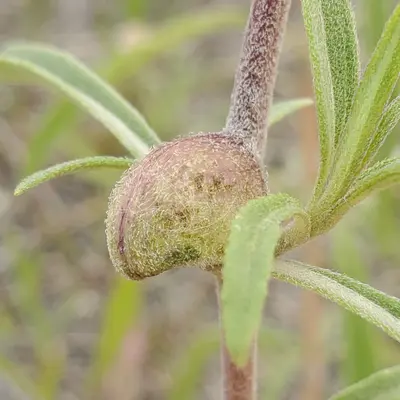
As tough as it is beautiful, Maximilian blooms from August to frost. Masses of 3" yellow-gold blooms. This native wild flower is excellent for back borders and bouquets. Perennial in Zones 3-9. Attracts bees and beneficial insects such as lacewings, lady beetles, syrphid flies and parasitic wasps. Known as perennial sunflower.
Harvest
125-140d
Days to harvest
Sun
Full sun
Zones
4–9
USDA hardiness
Height
3-10 feet
Planting Timeline
Showing dates for Maximilian in USDA Zone 7
All Zone 7 flower →Zone Map
Click a state to update dates
Maximilian · Zones 4–9
Growing Details
Complete Growing Guide
Maximilian sunflower can be started either indoors or direct sown, depending on your climate and preference. If starting indoors, begin seeds six to eight weeks before your last spring frost date, then transplant seedlings outdoors after frost danger has passed. For direct sowing, wait until soil has warmed to at least 50°F and all frost risk has ended in your region. Direct sowing often produces stronger root systems, which is particularly beneficial for Maximilian since this variety can reach up to 10 feet tall in ideal conditions and benefits from deep, established roots for stability.
Prepare soil by loosening it to at least 12 inches deep and incorporating organic matter to improve drainage. Maximilian tolerates poor soil better than many ornamental plants, but well-draining conditions prevent root rot during wet springs. Sow seeds directly at a depth of one-quarter inch, spacing plants 12 to 18 inches apart for shorter varieties or 24 inches for plants you expect to reach maximum height. Thinner spacing encourages upward growth and larger blooms, while wider spacing creates bushier plants.
Water regularly during the establishment phase—about one inch per week—until plants are well-rooted and growing vigorously. Once established, Maximilian becomes remarkably drought-tolerant and requires minimal supplemental watering except during severe dry spells. Fertilizer is generally unnecessary; in fact, overly fertile soil can produce excessive foliage at the expense of flowers. If your soil is particularly poor, apply a balanced, slow-release fertilizer once at mid-season.
Maximilian shows good disease resistance overall, but spider mites can become problematic during hot, dry summers, particularly on stressed plants. Watch for stippled foliage and fine webbing, especially on lower leaves. Ensure adequate air circulation and avoid overhead watering to minimize conditions mites prefer. Powdery mildew occasionally appears in humid climates; removing lower leaves as plants mature improves airflow. Sunflower beetles and seeds weevils can damage plants and developing seed heads, though they're rarely severe enough to warrant treatment on ornamental plantings.
A critical technique for Maximilian is strategic pruning in early summer. Pinching back growing tips when plants reach 12 to 18 inches tall encourages branching and creates fuller, more compact specimens with many smaller blooms rather than a few tall stems with large flowers. This also improves stability in windy locations. For cut flowers, deadhead spent blooms regularly to extend the flowering season well into fall.
The most common mistake gardeners make with Maximilian is underestimating its eventual height and spacing plants too closely. This native perennial is vigorous and can easily reach 6 to 10 feet depending on soil richness and growing conditions. Providing adequate space prevents overcrowding, reduces disease pressure, and allows you to appreciate the plant's full architectural form while it fills your garden with yellow-gold blooms from August through the first hard freeze.
Harvesting
Color: Black, Brown/Copper. Type: Achene. Length: < 1 inch. Width: < 1 inch.
Harvest time: Fall
Edibility: This sunflower provides food for birds and livestock.
Storage & Preservation
For fresh cut blooms, place stems immediately in room-temperature water with flower food. Change water every 2-3 days and remove lower leaves. Vase life ranges from 7-10 days at 65-75°F with moderate humidity. For drying, hang bundles upside down in a well-ventilated, dark space for 2-3 weeks until completely moisture-free, then store in airtight containers away from sunlight. Alternatively, press individual blooms between parchment paper under weights for 4-6 weeks for botanical crafts. Seeds can be collected from dried flower heads and stored in cool, dry conditions for 1-2 years.
History & Origin
Origin: midcontinental prairie regions of North America
Advantages
- +Attracts: Butterflies, Pollinators, Songbirds
- +Edible: This sunflower provides food for birds and livestock.
- +Fast-growing
- +Low maintenance
Companion Plants
The prairie-native companions in our database — Little Bluestem, Switch Grass, Purple Coneflower, and Goldenrod — pair well with Maximilian sunflower because they share the same drought tolerance and deep root systems, so they're not competing for moisture in the top 12 inches of soil. Black-eyed Susan and Wild Bergamot fill in at shorter heights and extend the pollinator bloom window on either side of Maximilian's late-season peak. Black Walnut is a hard no: juglone from its roots accumulates in the soil within the drip line and Helianthus species are documented as sensitive. Johnson Grass is a different kind of problem — a rhizomatous bully that spreads as fast as Maximilian itself and is genuinely difficult to remove without digging out the entire planting.
Plant Together
Black-eyed Susan
Similar growing conditions and attracts beneficial pollinators while extending bloom season
Purple Coneflower
Complements native prairie ecosystem and shares similar soil and water requirements
Wild Bergamot
Attracts beneficial insects and butterflies while thriving in similar prairie conditions
Little Bluestem
Native prairie grass that provides structural support and prevents soil erosion
Goldenrod
Blooms at similar time providing extended nectar sources for pollinators and beneficial insects
Asters
Late season blooms complement Maximilian's flowering period and support migrating butterflies
Switch Grass
Provides wind protection and creates beneficial microhabitat for native wildlife
Yarrow
Attracts predatory insects that control harmful pests and improves soil health
Keep Apart
Black Walnut
Produces juglone which is toxic to sunflower family plants and inhibits growth
Allegheny Vine
Aggressive climbing vine that can smother and shade out tall sunflowers
Johnson Grass
Highly competitive invasive grass that depletes soil nutrients and moisture
Troubleshooting Maximilian
What you'll see, why it happens, and what to do about it.
Stems wilting and collapsing at the base despite adequate soil moisture, with dark brown discoloration at the crown
Likely Causes
- Sclerotinia stem rot (Sclerotinia sclerotiorum) — favored by wet, cool conditions and poor drainage
- Crown rot from overwatering or compacted soil holding water around the root zone
What to Do
- 1.Cut out and discard any affected stems; don't compost them
- 2.Improve drainage by top-dressing with coarse grit or replanting in a raised area
- 3.Avoid overhead watering — switch to drip or base watering to keep the crown dry
Leaves stippled silver-gray with fine webbing on the undersides, especially during hot, dry stretches
Likely Causes
- Two-spotted spider mite (Tetranychus urticae) — populations explode in dry conditions above 85°F
- Dusty, water-stressed plants are significantly more vulnerable
What to Do
- 1.Blast the undersides of leaves with a strong stream of water for 3–4 consecutive days
- 2.Apply insecticidal soap or neem oil in the evening when temperatures are below 90°F
- 3.Keep plants consistently watered during drought — stressed plants attract mites faster
Plant spreads aggressively beyond its original footprint, crowding neighboring plants within 2–3 seasons
Likely Causes
- Rhizomatous root spread — Helianthus maximiliani expands by underground rhizomes, not just seed drop
- No physical root barrier installed at planting time
What to Do
- 1.Install a 12-inch-deep root barrier or buried landscape edging around the clump at planting
- 2.Divide the clump every 2–3 years in early spring before new growth reaches 6 inches, discarding or potting up the excess
- 3.Deadhead spent flowers before seed set if you want to limit reseeding on top of rhizome spread
Frequently Asked Questions
How long do Maximilian sunflowers bloom?▼
Are Maximilian sunflowers good for beginners?▼
Can you grow Maximilian sunflowers in containers?▼
When should I plant Maximilian sunflowers?▼
Are Maximilian sunflowers native plants?▼
How tall do Maximilian sunflowers grow?▼
Zone-by-Zone Planting Calendar
| Zone | Indoor Start | Transplant | Direct Sow | Harvest |
|---|---|---|---|---|
| Zone 3 | April – May | June – July | June – August | — |
| Zone 4 | March – April | June – June | June – July | — |
| Zone 5 | March – April | May – June | May – July | — |
| Zone 6 | March – April | May – June | May – July | — |
| Zone 7 | February – March | April – May | April – June | — |
| Zone 8 | February – March | April – May | April – June | — |
| Zone 9 | January – February | March – April | March – May | — |
| Zone 10 | January – January | February – March | February – April | — |
| Zone 1 | May – June | July – August | July – September | — |
| Zone 2 | April – May | June – July | June – August | — |
| Zone 11 | January – January | January – February | January – March | — |
| Zone 12 | January – January | January – February | January – March | — |
| Zone 13 | January – January | January – February | January – March | — |
Growing Guides from Wind River Greens
Sources & References
External authority sources used in compiling this guide.
- ExtensionNC State Extension
- BreederJohnny's Selected Seeds
See the Methodology page for how this data is sourced, what's AI-assisted, and known limitations.