Cramer's Rose
Celosia argentea cristata
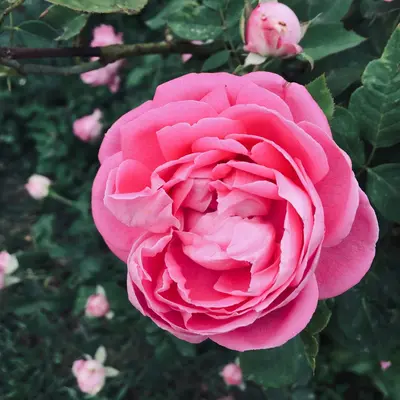
Cramer's Rose is a classic heirloom flower variety prized for its full, layered blooms and rich coloring. Reaching maturity in 90-120 days, this rose develops abundant flowers throughout the growing season under full sun conditions. The variety is distinguished by its exceptional hardiness and disease resistance, thriving in well-draining loam with minimal fertility requirements. Its vigorous growth habit and prolific flowering make it an ideal choice for both garden displays and cut flower arrangements.
Harvest
90-120d
Days to harvest
Sun
Full sun
Zones
10–11
USDA hardiness
Height
9-18 inches
Planting Timeline
Showing dates for Cramer's Rose in USDA Zone 7
All Zone 7 flower →Zone Map
Click a state to update dates
Cramer's Rose · Zones 10–11
Growing Details
Complete Growing Guide
Crested-type flowers bloom prolifically on well-branched plants. Bloom size is approximately 2-6" across. With approximately 15-20 stems per plant, Cramer's varieties prove to be workhorses in the garden. Selected by the late, and well-known, commercial flower farmer, Ralph Cramer. Also known as cockscomb and crested cock's comb. According to Johnny's Selected Seeds, Cramer's Rose is 90 - 120 days to maturity, annual, open pollinated. Notable features: Use for Cut Flowers and Bouquets, Ideal for Drying and Crafts.
Light: Full sun (6 or more hours of direct sunlight a day). Soil: High Organic Matter, Loam (Silt), Sand. Soil pH: Neutral (6.0-8.0). Drainage: Good Drainage, Occasionally Dry. Height: 0 ft. 9 in. - 1 ft. 6 in.. Spread: 0 ft. 9 in. - 1 ft. 0 in.. Spacing: 12 inches-3 feet. Growth rate: Rapid. Maintenance: Low. Propagation: Seed. Regions: Coastal, Piedmont.
Harvesting
Cramer's Rose reaches harvest at 90 - 120 days from sowing per Johnny's Selected Seeds. Expect 2-6" at peak. As an annual, harvest continues until frost ends the season.
Smooth, glossy, shiny capsule contain many seeds
Color: Black. Type: Capsule.
Edibility: The leaves and young shoots are cooked and used in soups and stews. The seeds yield edible oil.
Storage & Preservation
Fresh Cramer's Rose flowers are best stored in a cool environment between 50-55°F with moderate humidity (60-70%). Keep stems in water on the counter or in the refrigerator to extend vase life to 7-10 days. For preservation, air-dry bundles hanging upside-down in a warm, well-ventilated space for 2-3 weeks to create dried arrangements. Alternatively, press individual flowers between paper and heavy books for botanical pressing, or freeze blooms in water-filled ice cube trays for craft preservation. These methods retain color and texture well for decorative and archival purposes.
History & Origin
Cramer's Rose is open-pollinated, meaning seed saved from healthy plants will produce true-to-type offspring. Listed in the Johnny's Selected Seeds catalog.
Origin: Tropical Africa
Advantages
- +Produces 15-20 stems per plant, making it exceptionally productive
- +Crested blooms reach 2-6 inches, providing substantial visual impact
- +Well-branched growth habit creates full, attractive plants naturally
- +Prolific flowering ensures continuous blooms throughout the growing season
- +Easy to grow variety suitable for beginner gardeners
Considerations
- -Requires 90-120 days to mature, limiting planting windows
- -Prefers well-draining soil and struggles in heavy clay
- -Susceptible to root rot in overly wet conditions
- -Blooms can deteriorate quickly in extremely hot, humid weather
Companion Plants
Marigolds (especially Tagetes patula) and garlic do real pest-disruption work near Cramer's Rose — their volatile compounds confuse aphids and whiteflies looking for a landing spot. Chives and parsley pull similar duty and top out at 8-12 inches, so they won't shade out a plant that needs full sun to hit its full 18-inch height. Lavender and catmint draw in predatory hoverflies and parasitic wasps that keep soft-bodied pest populations in check without any input from you. Black walnut is a hard no — its roots push juglone into the surrounding soil, and celosia is sensitive enough that even proximity well outside the drip line can stunt or kill it.
Plant Together
Lavender
Repels aphids, moths, and other pests while attracting beneficial pollinators
Marigold
Deters nematodes, aphids, and whiteflies while adding vibrant color contrast
Garlic
Natural fungicide properties help prevent black spot and powdery mildew
Chives
Repels aphids and Japanese beetles while improving soil with sulfur compounds
Catmint
Deters ants, aphids, and rodents while attracting beneficial insects
Clematis
Provides vertical interest and shares similar growing conditions without competing
Allium
Strong scent repels aphids, thrips, and other rose pests
Parsley
Attracts beneficial insects like hoverflies that prey on rose pests
Keep Apart
Black Walnut
Releases juglone toxin that inhibits rose growth and can cause wilting
Large Trees
Creates excessive shade and competes aggressively for nutrients and water
Brassicas
Heavy feeders that compete for nutrients and may attract pests harmful to roses
Pests & Disease Resistance
Common Pests
Spider mites, aphids, whiteflies
Diseases
Powdery mildew, root rot in wet conditions
Troubleshooting Cramer's Rose
What you'll see, why it happens, and what to do about it.
Fine webbing on leaf undersides, leaves looking stippled or bronzed, especially during hot dry stretches
Likely Causes
- Spider mite (Tetranychus urticae) infestation — thrives when temps push above 85°F and humidity drops
- Dusty conditions that stress the plant and make it more attractive to mites
What to Do
- 1.Blast the undersides of leaves with a strong stream of water every 2-3 days to knock mites off
- 2.Apply insecticidal soap or neem oil in the early morning — full coverage on leaf undersides is what matters
- 3.If the plant is heavily colonized and neighbors are clean, pull and bag the worst specimens rather than risk spread
White powdery coating on upper leaf surfaces, starting on older leaves, usually late summer
Likely Causes
- Powdery mildew (Erysiphe or Golovinomyces spp.) — airborne fungal spores that spread fast in warm days/cool nights with low airflow
- Overcrowding — plants spaced tighter than 12 inches trap humidity between them
What to Do
- 1.Strip affected leaves and dispose of them in the trash, not the compost pile
- 2.Spray with a diluted baking soda solution (1 tablespoon per gallon of water) or potassium bicarbonate as a low-input option
- 3.Next season, space plants at the full 18-inch end of the range and keep them out of dead-air corners against walls or fences
Stems turning dark and mushy at the soil line, plant wilting even when the soil is moist
Likely Causes
- Root rot — most often Pythium or Rhizoctonia when soil stays saturated too long
- Planting in a low spot or heavy clay that doesn't drain between rain events
What to Do
- 1.Pull the plant — there's no saving a celosia with rotted roots; focus on preventing spread to neighbors
- 2.Work coarse perlite or aged compost into the bed before replanting to break up compaction and improve drainage
- 3.Skip the fixed watering schedule — check the top inch of soil first; Cramer's Rose wants consistent moisture, not standing water
Frequently Asked Questions
How long do Cramer's Rose flowers last in a vase?▼
Is Cramer's Rose good for beginners?▼
Can you grow Cramer's Rose in containers?▼
When should I plant Cramer's Rose seeds?▼
What does Cramer's Rose cockscomb look like?▼
How does Cramer's Rose compare to other celosia varieties?▼
Zone-by-Zone Planting Calendar
| Zone | Indoor Start | Transplant | Direct Sow | Harvest |
|---|---|---|---|---|
| Zone 3 | April – May | June – July | June – August | — |
| Zone 4 | March – April | June – June | June – July | — |
| Zone 5 | March – April | May – June | May – July | — |
| Zone 6 | March – April | May – June | May – July | — |
| Zone 7 | February – March | April – May | April – June | — |
| Zone 8 | February – March | April – May | April – June | — |
| Zone 9 | January – February | March – April | March – May | — |
| Zone 10 | January – January | February – March | February – April | — |
| Zone 1 | May – June | July – August | July – September | — |
| Zone 2 | April – May | June – July | June – August | — |
| Zone 11 | January – January | January – February | January – March | — |
| Zone 12 | January – January | January – February | January – March | — |
| Zone 13 | January – January | January – February | January – March | — |
Growing Guides from Wind River Greens
Sources & References
External authority sources used in compiling this guide.
- BreederJohnny's Selected Seeds
See the Methodology page for how this data is sourced, what's AI-assisted, and known limitations.