Bright Lights
Cosmos sulphureus
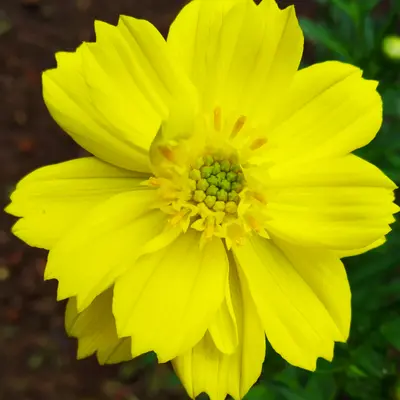
Vigorous plants flower over a long season, creating rich color in the garden and a vibrant food source for bees, butterflies, and other pollinators. Plant architecture is tall but open and airy, so plants are less prone to lodging or falling over than Cosmos bipinnatus types. Excellent choice for color in summer gardens. 1 1/2-2" wide, double and semidouble blooms in shades of orange and gold. Sometimes used as cut flowers, though they do not last long in the vase, dropping petals after 5 days. Flowers are also used to create natural dyes for fiber and fabrics. Plants readily self-seed. Also known commonly as Dyer's cosmos and sulfur cosmos. Native to the Americas and Mexico. For mass plantings, sow at 5 oz./1,000 sq.ft. or 14 lb./acre.
Harvest
65-75d
Days to harvest
Sun
Full sun
Zones
2–11
USDA hardiness
Height
2-3 feet
Planting Timeline
Showing dates for Bright Lights in USDA Zone 7
All Zone 7 flower →Zone Map
Click a state to update dates
Bright Lights · Zones 2–11
Growing Details
Succession Planting
Direct sow every 3 weeks from your last frost date through early June — in zone 7 that's roughly April 1 through June 7. Each sowing delivers a fresh flush of blooms 65–75 days out, so a June planting carries you into September before the first frost. Stop sowing once daytime highs are consistently above 90°F; germination rates drop and young seedlings struggle to put on root mass in peak heat. In zone 5 or 6, compress the window and plan for two successions rather than three.
Complete Growing Guide
Light: Full sun (6 or more hours of direct sunlight a day). Soil: Clay, Loam (Silt), Sand. Soil pH: Acid (<6.0), Neutral (6.0-8.0). Drainage: Good Drainage. Height: 2 ft. 0 in. - 3 ft. 0 in.. Spread: 1 ft. 0 in. - 3 ft. 0 in.. Spacing: 3 feet-6 feet, 6-feet-12 feet, 12-24 feet, 24-60 feet. Growth rate: Rapid. Maintenance: Medium. Propagation: Seed. Regions: Coastal, Mountains, Piedmont.
Harvesting
Bright Lights reaches harvest at 65 - 75 days from sowing per Johnny's Selected Seeds. Expect 1 1/2-2" at peak. As an annual, harvest continues until frost ends the season.
This is an ornamental variety — not grown for harvest. Enjoy in the garden landscape.
Storage & Preservation
Fresh-cut Bright Lights flowers keep best in a cool room (60–65°F) away from ripening fruit and direct sunlight. Change water daily and remove any submerged foliage to prevent bacterial growth. Blooms typically last 4–5 days before noticeable petal drop, shorter than many cut flowers.
For natural dye preservation, dry flowers thoroughly by hanging small bundles upside down in a warm, well-ventilated, dark space (2–3 weeks). Store dried petals and flower heads in airtight containers away from light and humidity—they'll retain dye properties for 6–12 months. Alternatively, freeze fresh petals in ice cube trays with minimal water and store up to 3 months for later dye extraction. Some dyers simmer and strain fresh blooms into a concentrated dye liquid, cool, and refrigerate in glass jars for up to 2 weeks before dyeing fiber.
History & Origin
Origin: Mexico to Central America
Advantages
- +Long blooming season provides continuous orange and gold color in gardens
- +Open airy structure resists lodging better than other cosmos varieties
- +Excellent pollinator magnet for bees, butterflies, and beneficial insects
- +Easy to grow with 65-75 day maturity and simple cultivation
- +Self-seeding plants reduce replanting effort year after year
Considerations
- -Cut flowers drop petals quickly after only five days indoors
- -Readily self-seeds which can become invasive or create volunteer seedlings
- -Double blooms may be less attractive to some pollinators seeking nectar
Companion Plants
Marigolds (especially Tagetes patula) are the strongest pairing — their root secretions deter soil nematodes, and both plants run a long overlapping bloom window that keeps pollinators moving through the bed. Nasturtiums act as a trap crop for aphids, pulling them toward sacrificial foliage and away from Cosmos buds. Shallow-rooted crops like lettuce and spinach slot in underneath without competing for water at the 12–18 inch root zone. Keep pole beans, large brassicas, and fennel elsewhere: pole beans can chemically suppress nearby annuals, brassicas throw enough canopy at 18–24 inches to crowd out a young Cosmos plant, and fennel is broadly allelopathic — it depresses germination and establishment of most annuals grown within a few feet of it.
Plant Together
Marigolds
Repel nematodes and aphids while attracting beneficial insects
Nasturtiums
Act as trap crop for aphids and flea beetles, protecting chard
Lettuce
Shares similar water needs and provides ground cover to retain moisture
Spinach
Compatible growing requirements and harvest timing
Garlic
Deters pests like aphids and leaf miners with strong scent
Onions
Repel common chard pests and improve soil health
Carrots
Root depth complements shallow chard roots, efficient space use
Dill
Attracts beneficial insects like parasitic wasps that control pests
Keep Apart
Pole Beans
Can shade chard and compete for nutrients due to vigorous growth
Fennel
Produces allelopathic compounds that inhibit growth of most vegetables
Large Brassicas
Compete for similar nutrients and may attract same pests like flea beetles
Troubleshooting Bright Lights
What you'll see, why it happens, and what to do about it.
Seedlings collapse at soil level, stems pinched and brown at the base
Likely Causes
- Damping off (Pythium or Rhizoctonia spp.) — fungal rot triggered by overwatering and poor airflow in seed trays
- Sowing too deep; Cosmos sulphureus seeds need light to germinate well and burying them past 1/4 inch holds moisture around the stem
What to Do
- 1.Don't reuse old seed-starting mix — start fresh each season; it's cheap insurance
- 2.Run a small fan near your trays for 30–60 minutes a day to improve airflow
- 3.Water from the bottom by setting trays in a shallow dish; keep the surface drier
Leaves develop white powdery coating, usually starting mid-summer on older foliage
Likely Causes
- Powdery mildew (Erysiphe cichoracearum) — common on Cosmos in humid conditions, especially when nights cool down after hot days
- Crowded spacing that traps humidity between plants
What to Do
- 1.Space plants at least 12 inches apart — 18 is better in humid climates — and don't overhead water in the evening
- 2.Spray affected leaves with a diluted potassium bicarbonate solution (1 tablespoon per gallon of water) every 7 days
- 3.Pull the worst-affected plants if the season is winding down anyway; mildew won't kill a mature Cosmos before frost does
Aphid clusters on new growth and flower buds, sticky residue on leaves below
Likely Causes
- Aphids (Aphis gossypii or Macrosiphum euphorbiae) — soft-bodied insects that target tender new growth, especially on plants stressed by drought or excess nitrogen
- Ant colonies farming aphids — ants actively protect aphid colonies from predators
What to Do
- 1.Knock aphids off with a sharp spray of water from a hose — do this in the morning so foliage dries fast
- 2.If infestation persists, apply insecticidal soap directly to the clusters; coat the undersides of leaves
- 3.Check for ant trails up the stems and disrupt them — dealing with the ants often lets natural predators like ladybeetles take over
Plants produce a flush of blooms, then stall — stems go leggy and bare with sparse flowers by late summer
Likely Causes
- Failure to deadhead; Cosmos sulphureus slows flower production sharply once seeds set
- Overly rich soil — high nitrogen pushes leafy growth at the expense of blooms
What to Do
- 1.Deadhead every 5–7 days: snip spent blooms back to the nearest leaf node or lateral bud
- 2.Cut the whole plant back by one-third in midsummer if it's gone leggy — it'll rebound with fresh growth and flowers within 2–3 weeks
- 3.Skip side-dressing with compost or fertilizer mid-season; these plants perform better in lean soil
Frequently Asked Questions
How long does Bright Lights cosmos take to flower from seed?▼
Is Bright Lights cosmos good for beginning gardeners?▼
Can you grow Bright Lights cosmos in containers or pots?▼
What's the difference between Bright Lights and regular pink cosmos (Cosmos bipinnatus)?▼
Do Bright Lights cosmos flowers work for natural dye projects?▼
When should I plant Bright Lights cosmos seeds outdoors?▼
Zone-by-Zone Planting Calendar
| Zone | Indoor Start | Transplant | Direct Sow | Harvest |
|---|---|---|---|---|
| Zone 1 | May – June | July – August | July – September | — |
| Zone 2 | April – May | June – July | June – August | — |
| Zone 11 | January – January | January – February | January – March | — |
| Zone 12 | January – January | January – February | January – March | — |
| Zone 13 | January – January | January – February | January – March | — |
| Zone 3 | April – May | June – July | June – August | — |
| Zone 4 | March – April | June – June | June – July | — |
| Zone 5 | March – April | May – June | May – July | — |
| Zone 6 | March – April | May – June | May – July | — |
| Zone 7 | February – March | April – May | April – June | — |
| Zone 8 | February – March | April – May | April – June | — |
| Zone 9 | January – February | March – April | March – May | — |
| Zone 10 | January – January | February – March | February – April | — |
Growing Guides from Wind River Greens
Sources & References
External authority sources used in compiling this guide.
- ExtensionNC State Extension
- BreederJohnny's Selected Seeds
See the Methodology page for how this data is sourced, what's AI-assisted, and known limitations.