Cranberry Rose
Helichrysum bracteatum
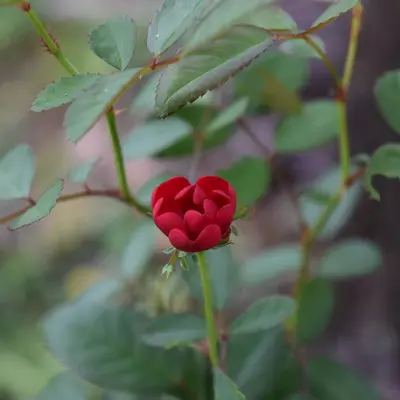
Tall, well-branched plants produce double flowers 2-2 1/2" across. This variety is also known as Pomegranate or Bright Rose. Also known as bracted strawflower.
Harvest
75-85d
Days to harvest
Sun
Full sun
Zones
1–11
USDA hardiness
Height
24-36 inches
Planting Timeline
Showing dates for Cranberry Rose in USDA Zone 7
All Zone 7 flower →Zone Map
Click a state to update dates
Cranberry Rose · Zones 1–11
Growing Details
Succession Planting
Start seeds indoors in February or early March, 8-10 weeks before your last frost, then transplant out in April once nighttime lows are reliably above 40°F. For a second wave, direct sow into the bed in late April through early May — they'll be up in 7-14 days and hit bloom just as the transplants start to wind down. Don't push a third sowing past June; seeds started in Georgia's peak summer heat tend to stall, and any plants that do establish won't have enough cool nights in fall to produce the tight, papery blooms that make Cranberry Rose worth growing in the first place.
Complete Growing Guide
Tall, well-branched plants produce double flowers 2-2 1/2" across. This variety is also known as Pomegranate or Bright Rose. Also known as bracted strawflower. According to Johnny's Selected Seeds, Cranberry Rose is 75 - 85 days to maturity, annual, open pollinated. Notable features: Use for Cut Flowers and Bouquets, Ideal for Drying and Crafts.
Soil: Loam (Silt). Soil pH: Acid ( 6.0), Alkaline ( 8.0), Neutral (6.0-8.0). Drainage: Good Drainage, Moist, Occasionally Dry. Height: zer-oh-KRIS-um brak-tee-AH-tum. Spread: zer-oh-KRIS-um brak-tee-AH-tum. Growth rate: Medium. Propagation: Seed, Stem Cutting. Regions: Coastal.
Harvesting
Cranberry Rose reaches harvest at 75 - 85 days from sowing per Johnny's Selected Seeds. Expect 2-2 1/2" at peak. As an annual, harvest continues until frost ends the season.
This is an ornamental variety — not grown for harvest. Enjoy in the garden landscape.
Storage & Preservation
Fresh Cranberry Rose flowers last 7–14 days in a cool room with water and regular stem re-cutting. For longer storage, hang-dry flowers in small bundles in a warm, well-ventilated space away from direct sunlight; they'll retain color and shape for 6+ months. Alternatively, store dried flowers in airtight containers with silica gel or dried rice in a cool, dry location. No special preservation is necessary—the dried flowers are remarkably stable. For fresh arrangements lasting beyond 2 weeks, refrigerate at 35–40°F when not displayed. Avoid ethylene-producing fruits nearby. These flowers are primarily valued for drying, which requires no chemical treatment and produces heirloom-quality craft material suitable for wreaths, dried bouquets, and floral arrangements lasting years.
History & Origin
Cranberry Rose is open-pollinated, meaning seed saved from healthy plants will produce true-to-type offspring. Listed in the Johnny's Selected Seeds catalog.
Australia
Advantages
- +Double flowers create full, showy blooms ideal for cut arrangements
- +Tall well-branched plants maximize flower production per plant
- +Fast maturity in 75-85 days allows multiple succession plantings
- +Easy growing difficulty makes it suitable for beginner gardeners
- +Vibrant cranberry-rose color provides striking visual contrast in gardens
Considerations
- -Flowers may shatter or drop petals if handled roughly during harvesting
- -Requires consistent watering as drought stress reduces bloom quality
- -Tall plants need staking or support in windy locations
- -Limited vase life compared to other cut flower varieties
Companion Plants
Lavender and thyme are the most practical neighbors for Cranberry Rose — both want lean, well-drained soil and at least 6 hours of direct sun, so there's no water competition, and their aromatic oils have been observed to deter thrips and aphids from adjacent flowers. Tagetes patula marigolds add another layer of pest disruption and echo the papery warm tones nicely. In our zone 7 Georgia beds, chives and other alliums pull double duty: they stay tidy through the long humid season and don't shade out the helichrysum the way taller companions can. Black walnut is a hard no — it releases juglone into the surrounding soil, and helichrysum roots are sensitive enough that even moderate exposure will cause wilting and dieback that looks like drought stress until you dig down and realize the roots are rotting.
Plant Together
Lavender
Repels aphids and other pests while attracting beneficial pollinators
Marigold
Deters nematodes and aphids with natural pest-repelling compounds
Clematis
Provides complementary climbing structure and shares similar soil preferences
Catmint
Repels ants, aphids, and rodents while attracting beneficial insects
Alliums
Natural fungicide properties help prevent black spot and powdery mildew
Parsley
Attracts beneficial insects and provides ground cover without competing for nutrients
Thyme
Repels cabbage worms and other pests while improving soil drainage
Nasturtium
Acts as trap crop for aphids and adds pest-deterring compounds to soil
Keep Apart
Black Walnut
Produces juglone which is toxic to roses and inhibits their growth
Large Trees
Compete for water and nutrients while creating excessive shade
Brassicas
Heavy feeders that compete for nutrients and may attract pests harmful to roses
Troubleshooting Cranberry Rose
What you'll see, why it happens, and what to do about it.
Seedlings damping off at soil level — stems pinch thin and collapse within 7-14 days of germination
Likely Causes
- Pythium or Rhizoctonia fungal rot from overwatering or poorly drained seed-starting mix
- Trays kept too wet in low-light, low-airflow indoor conditions
What to Do
- 1.Water from the bottom only, and let the top of the mix dry out between waterings
- 2.Run a small fan near trays for a few hours a day to improve air circulation
- 3.If you've had damping off before, drench the mix with a diluted hydrogen peroxide solution (1 part 3% H2O2 to 9 parts water) before sowing
Lower leaves developing gray fuzzy patches, especially after a stretch of humid cloudy weather
Likely Causes
- Botrytis cinerea (gray mold) — thrives when humidity stays above 80% and airflow is poor
- Plants spaced too close together at 6-8 inches instead of the recommended 12-18 inches
What to Do
- 1.Strip affected leaves and bag them for the trash — don't compost them
- 2.Thin or transplant crowded plants out to at least 12 inches apart
- 3.Avoid overhead watering; switch to drip or base watering in the morning
Leaves and stems coated in white powdery residue, most visible on the upper leaf surface in late summer
Likely Causes
- Powdery mildew (Erysiphe or Golovinomyces spp.) — common on stressed helichrysum during hot, dry spells followed by cool nights
- Overcrowded planting that blocks airflow between stems
What to Do
- 1.Spray affected foliage with a diluted baking soda solution (1 tablespoon baking soda + 1 teaspoon horticultural oil per gallon of water) every 7 days
- 2.Remove the most heavily infected stems at the base
- 3.Next season, hold spacing to 18 inches rather than 12 — helichrysum is more susceptible than it looks when stems are shoulder-to-shoulder
Buds and new growth distorted or sticky, with small clusters of soft-bodied insects on stem tips
Likely Causes
- Aphids (likely Myzus persicae or Aphis gossypii) — drawn to tender new growth, especially in spring
- Absence of predatory insects from over-use of broad-spectrum sprays nearby
What to Do
- 1.Knock aphids off with a firm spray of water from the hose — do this in the morning so foliage dries before nightfall
- 2.Apply insecticidal soap (2-3% solution) directly to colonies every 4-5 days until pressure drops
- 3.Nasturtiums planted at the bed edge act as a trap crop and tend to pull aphid pressure off the helichrysum
Frequently Asked Questions
How long does Cranberry Rose take to bloom from seed?▼
Is Cranberry Rose good for dried flower arrangements?▼
Can you grow Cranberry Rose in containers?▼
When should I pinch Cranberry Rose to get more flowers?▼
Does Cranberry Rose need staking or support?▼
What's the difference between Cranberry Rose and other strawflower varieties?▼
Zone-by-Zone Planting Calendar
| Zone | Indoor Start | Transplant | Direct Sow | Harvest |
|---|---|---|---|---|
| Zone 1 | May – June | July – August | July – September | — |
| Zone 2 | April – May | June – July | June – August | — |
| Zone 11 | January – January | January – February | January – March | — |
| Zone 12 | January – January | January – February | January – March | — |
| Zone 13 | January – January | January – February | January – March | — |
| Zone 3 | April – May | June – July | June – August | — |
| Zone 4 | March – April | June – June | June – July | — |
| Zone 5 | March – April | May – June | May – July | — |
| Zone 6 | March – April | May – June | May – July | — |
| Zone 7 | February – March | April – May | April – June | — |
| Zone 8 | February – March | April – May | April – June | — |
| Zone 9 | January – February | March – April | March – May | — |
| Zone 10 | January – January | February – March | February – April | — |
Growing Guides from Wind River Greens
Sources & References
External authority sources used in compiling this guide.
- BreederJohnny's Selected Seeds
See the Methodology page for how this data is sourced, what's AI-assisted, and known limitations.