High Scent
Lathyrus odoratus
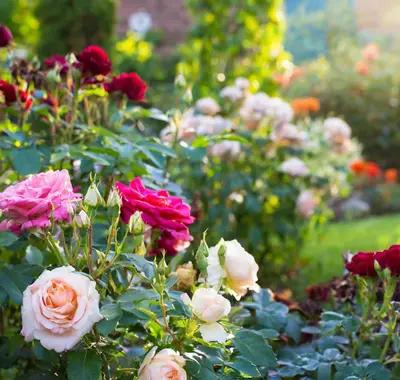
Sturdy stems, abundant blooms, vigorous and healthy foliage. Flowers open to cream with lavender blush on petal edges. Color and plant habit is very comparable to Old Times, although flower color is more lavender than blue. Highly fragrant. Attracts hummingbirds.
Harvest
75-85d
Days to harvest
Sun
Full sun
Zones
2–11
USDA hardiness
Height
3-8 feet
Planting Timeline
Showing dates for High Scent in USDA Zone 7
All Zone 7 flower →Zone Map
Click a state to update dates
High Scent · Zones 2–11
Growing Details
Succession Planting
High Scent blooms for roughly 6–8 weeks before heat shuts it down, and a single sowing is all you get in a season — there's no meaningful way to stagger plantings to extend the harvest window the way you would with lettuce or radishes. Sow as early as your soil allows (or start indoors in February–March for a zone 7 spring), treat it as a single-window crop, and when the vines are done, pull them and move on to something that handles summer.
Complete Growing Guide
High Scent sweet peas are best started indoors about six to eight weeks before your last frost date, allowing seedlings to establish sturdy root systems before transplanting outdoors. Alternatively, you can direct sow seeds into the garden two to three weeks before your last spring frost, as these seeds actually prefer cooler soil temperatures for germination. If starting indoors, soak seeds overnight in room-temperature water to improve germination rates, then sow them into individual pots filled with seed-starting mix.
Space High Scent plants about four to six inches apart, though closer spacing of four inches will maximize their vigorous growth habit and abundant blooms. Sow seeds half an inch deep, pressing them gently into prepared soil. These plants thrive in rich, well-draining soil amended with compost or aged manure before planting. A pH between 6.0 and 7.0 supports healthy foliage and fragrant flowers. Ensure your planting bed receives full sun for at least six hours daily to encourage the abundant blooming this variety is known for.
Water consistently throughout the growing season, aiming for about one inch per week through rainfall or irrigation. High Scent's vigorous foliage demands steady moisture, particularly during flowering, but avoid waterlogged soil which invites root rot. Feed monthly with a balanced, water-soluble fertilizer once blooms appear, or use a low-nitrogen formula to prevent excess leafy growth at the expense of flowers. The sturdy stems of High Scent benefit from a phosphorus boost at bloom time.
High Scent shows excellent disease resistance compared to many sweet pea cultivars, but monitor for aphids, which can congregate on tender new growth and reduce fragrance production. Powdery mildew occasionally troubles sweet peas; ensure good air circulation around plants to prevent this issue. Spider mites may appear during hot, dry spells, making consistent watering a preventive measure.
Since High Scent grows between three and eight feet depending on conditions and support, provide sturdy trellising or stakes early in the season. Vigorous varieties like this one benefit from succession planting every two weeks through mid-summer for continuous blooms through fall. Regular deadheading of spent flowers extends the blooming period dramatically, as these plants redirect energy toward seed production rather than new flowers.
The most common mistake gardeners make with High Scent is neglecting to provide adequate vertical support. The sturdy stems and abundant blooms create significant weight; flimsy supports lead to tangled, damaged plants that produce fewer flowers. Install trellises, arbors, or sturdy stakes at planting time rather than scrambling to support flopping plants mid-season. This one adjustment transforms your High Scent from a struggling mass into an organized, floriferous display that attracts hummingbirds and perfumes your entire garden.
Harvesting
High Scent reaches harvest at 75 - 85 days from sowing per Johnny's Selected Seeds. As an annual, harvest continues until frost ends the season.
Type: Legume.
Edibility: Sweet pea fruits are inedible and poisonous to humans.
Storage & Preservation
Fresh flowers should be stored in a cool environment with water in a clean vase, kept at 65-72°F with moderate humidity (50-60%). Stem ends should be recut daily and water changed every 2-3 days. Shelf life is typically 7-10 days depending on bloom maturity. Preservation methods: (1) Air-drying by hanging stems upside-down in a dark, well-ventilated space for 1-2 weeks; (2) Pressing flowers between parchment paper under weight for 3-4 weeks to preserve for crafts or herbals; (3) Silica gel drying in an airtight container for 5-7 days to maintain color and form for arrangements.
History & Origin
High Scent is open-pollinated, meaning seed saved from healthy plants will produce true-to-type offspring. Listed in the Johnny's Selected Seeds catalog.
Origin: Southern Italy, Sicily, Crete
Advantages
- +Highly fragrant blooms make this variety exceptionally aromatic and pleasant.
- +Sturdy stems support abundant flowers without requiring extensive staking or support.
- +Vigorous, healthy foliage indicates strong disease resistance and reliable performance.
- +Easy difficulty level makes High Scent ideal for beginner gardeners.
- +Cream and lavender flowers attract hummingbirds while providing visual interest.
Considerations
- -Requires consistent moisture and well-draining soil to prevent root rot.
- -75-85 day maturity means late blooms in cooler growing regions.
- -Heavy fragrance production may reduce overall flower longevity and vase life.
Companion Plants
Lavender and rosemary share High Scent's preference for sharp drainage and draw early-season bumblebees that cross over to work the sweet pea blooms — you get pollinator traffic without doing anything extra. Marigolds (Tagetes patula specifically) and nasturtiums help deter aphids, which will colonize sweet pea stems fast if given the chance. Fennel is allelopathic to a wide range of annuals and tends to suppress neighbors within a 2–3 foot radius, so give it its own corner. Black walnut is a harder stop — juglone persists in the soil and will stunt or kill Lathyrus odoratus even after the tree is gone.
Plant Together
Lavender
Both are aromatic and attract beneficial pollinators while repelling pests
Rosemary
Strong scent deters aphids and cabbage moths, complements other fragrant plants
Marigolds
Natural pest deterrent that repels nematodes and aphids while attracting beneficial insects
Nasturtiums
Acts as trap crop for aphids and cucumber beetles, protecting nearby plants
Catnip
Extremely effective mosquito and ant repellent, enhances garden's pest control
Sweet Alyssum
Attracts beneficial insects like hoverflies and parasitic wasps for natural pest control
Mint
Repels ants, mice, and cabbage pests with strong aromatic oils
Yarrow
Attracts predatory insects and may enhance essential oil production in nearby plants
Keep Apart
Black Walnut
Produces juglone toxin that inhibits growth and can kill sensitive flowering plants
Eucalyptus
Allelopathic compounds in leaves suppress growth of nearby plants
Fennel
Inhibits growth of most garden plants through allelopathic root secretions
Troubleshooting High Scent
What you'll see, why it happens, and what to do about it.
Powdery white coating on leaves and stems, usually appearing mid-summer as temperatures climb
Likely Causes
- Powdery mildew (Erysiphe polygoni) — a fungal disease that thrives in warm days with cool nights and poor airflow
- Crowded planting or a wall-hugging trellis that traps humidity
What to Do
- 1.Cut out the worst-affected stems and dispose of them — don't compost them
- 2.Spray foliage with a diluted baking soda solution (1 tablespoon per gallon of water) or a potassium bicarbonate product every 7–10 days
- 3.Give the vine more room next season — 6 inches of spacing per plant minimum, and keep the trellis away from solid fences
Buds forming but dropping before they open, or blooms stopping entirely in hot weather
Likely Causes
- Heat stress — High Scent stalls once daytime highs consistently exceed 80°F, and there's no pushing through it
- Planting too late in spring so the vine hits its bloom window during summer heat
What to Do
- 1.Sow seeds indoors in February–March (zone 7) to get plants established well before heat arrives
- 2.Mulch the root zone 2–3 inches deep with straw to keep soil temps lower and buy a few extra weeks of bloom
- 3.Accept that in most climates this vine is done by July — pull it and plant something heat-tolerant in its place
Seeds sown directly fail to germinate, or germination is sparse and uneven after 3+ weeks
Likely Causes
- Hard seed coat blocking water absorption — sweet peas have a notably tough testa that resists moisture
- Soil too cold at sowing time (below 50°F) slowing germination significantly
What to Do
- 1.Nick each seed with a nail file or soak in water for 12–24 hours before sowing to break dormancy
- 2.Wait until soil reaches at least 50°F before direct sowing, or start indoors in individual cells to avoid disturbing roots at transplant
- 3.Expect germination in 10–21 days under good conditions — if nothing shows by day 28, re-sow
Frequently Asked Questions
How long do 'High Scent' flowers last in a vase?▼
Is High Scent a good flower variety for beginners?▼
Can you grow High Scent flowers in containers?▼
When should I plant High Scent flowers?▼
How fragrant are High Scent flowers compared to other varieties?▼
Zone-by-Zone Planting Calendar
| Zone | Indoor Start | Transplant | Direct Sow | Harvest |
|---|---|---|---|---|
| Zone 3 | April – May | June – July | June – August | — |
| Zone 4 | March – April | June – June | June – July | — |
| Zone 5 | March – April | May – June | May – July | — |
| Zone 6 | March – April | May – June | May – July | — |
| Zone 7 | February – March | April – May | April – June | — |
| Zone 8 | February – March | April – May | April – June | — |
| Zone 9 | January – February | March – April | March – May | — |
| Zone 10 | January – January | February – March | February – April | — |
| Zone 1 | May – June | July – August | July – September | — |
| Zone 2 | April – May | June – July | June – August | — |
| Zone 11 | January – January | January – February | January – March | — |
| Zone 12 | January – January | January – February | January – March | — |
| Zone 13 | January – January | January – February | January – March | — |
Growing Guides from Wind River Greens
Sources & References
External authority sources used in compiling this guide.
- BreederJohnny's Selected Seeds
See the Methodology page for how this data is sourced, what's AI-assisted, and known limitations.