King Size Red
Helichrysum bracteatum
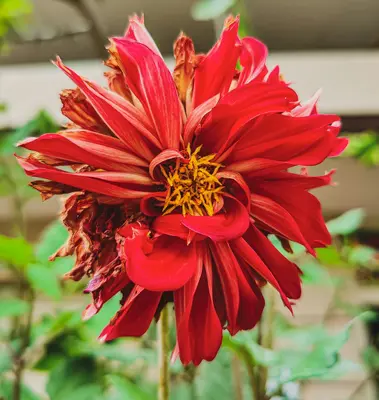
Tall, well-branched plants produce double flowers 2-2 1/2" across. Blooms are dark maroon red. Also known as bracted strawflower.
Harvest
75-85d
Days to harvest
Sun
Full sun
Zones
1–11
USDA hardiness
Height
24-36 inches
Planting Timeline
Showing dates for King Size Red in USDA Zone 7
All Zone 7 flower →Zone Map
Click a state to update dates
King Size Red · Zones 1–11
Growing Details
Succession Planting
Strawflower is a warm-season annual that blooms over a long stretch — 75-85 days from transplant, then keeps going until frost — so a single well-timed planting carries most gardeners through the season. One succession sowing can extend your cutting window: start a second round of seeds indoors about 4-5 weeks after your first transplant date, and get those into the ground by mid-June. That second planting often hits peak production in September and October, when the first planting is winding down.
Stop successions by late June in zone 7. Seeds started after that point won't accumulate enough frost-free days to reach full harvest before first frost (around mid-November in north Georgia, late November further south). Direct-sowing works from April through early June once soil temps are consistently above 65°F, but transplants give you a more predictable head start.
Complete Growing Guide
Tall, well-branched plants produce double flowers 2-2 1/2" across. Blooms are dark maroon red. Also known as bracted strawflower. According to Johnny's Selected Seeds, King Size Red is 75 - 85 days to maturity, annual, open pollinated. Notable features: Use for Cut Flowers and Bouquets, Ideal for Drying and Crafts.
Soil: Loam (Silt). Soil pH: Acid ( 6.0), Alkaline ( 8.0), Neutral (6.0-8.0). Drainage: Good Drainage, Moist, Occasionally Dry. Height: zer-oh-KRIS-um brak-tee-AH-tum. Spread: zer-oh-KRIS-um brak-tee-AH-tum. Growth rate: Medium. Propagation: Seed, Stem Cutting. Regions: Coastal.
Harvesting
King Size Red reaches harvest at 75 - 85 days from sowing per Johnny's Selected Seeds. Expect 2-2 1/2" at peak. As an annual, harvest continues until frost ends the season.
This is an ornamental variety — not grown for harvest. Enjoy in the garden landscape.
Storage & Preservation
Fresh cut flowers last 7-10 days in a vase with clean water and a floral preservative. Change water every 2-3 days and recut stems at an angle. For extended enjoyment, air-dry flowers by hanging bundles upside down in a cool, dry place with good air circulation for 2-3 weeks. Once fully dried, store stems in an upright vase or container in a dry location away from humidity and direct sunlight—they remain vibrant and intact for months or even years. Dried flowers can also be pressed flat and stored in acid-free paper between book pages for crafts. Avoid moisture, which causes mold on dried petals.
History & Origin
King Size Red is open-pollinated, meaning seed saved from healthy plants will produce true-to-type offspring. Listed in the Johnny's Selected Seeds catalog.
Australia
Advantages
- +Tall branching habit produces abundant dark maroon blooms suitable for cutting
- +Large double flowers measuring 2-2.5 inches make striking dried arrangements
- +Quick 75-85 day maturity allows multiple plantings in single growing season
- +Easy cultivation requires minimal experience making it ideal for beginner gardeners
- +Reliable performer produces consistent quality flowers with minimal deadheading needed
Considerations
- -Deep maroon color may fade or darken excessively in intense direct sunlight
- -Tall plants require staking or support in windy locations to prevent damage
- -Susceptible to powdery mildew in humid climates with poor air circulation
- -Prefers well-draining soil and struggles in clay or waterlogged conditions
Companion Plants
The best companions for King Size Red are other warm-season annuals that share its light and water preferences without muscling it out underground. Zinnias, cosmos, and sunflowers fit that profile — all moderate feeders with root zones in the top 12-18 inches of soil, and together they pull in enough diverse pollinators to keep a cutting bed genuinely busy from June through October. French marigolds (the 'Petite' series works well) add a practical layer: their root exudates have documented suppression of root-knot nematodes (Meloidogyne species) in the top 6-8 inches of soil, and their scent disrupts aphid host-finding. Nasturtiums function as a trap crop — aphids cluster on nasturtium foliage instead of spreading, so you can knock them off the nasturtiums and leave everything else alone.
Alyssum belongs at the feet of the taller strawflower clumps. It tops out under 6 inches, doesn't compete for light, and its small flowers are a reliable draw for parasitic wasps in the Braconidae family that prey on caterpillars and whiteflies. In our zone 7 Georgia gardens, alyssum sometimes reseeds into late fall if you skip deadheading — a free second planting you didn't have to plan for.
Black walnut, eucalyptus, and fennel are the three to keep at a distance, all for the same reason: allelopathic root compounds. Black walnut's juglone is the most aggressive — it leaches through the soil from both roots and decomposing leaf litter and can stunt sensitive annuals. Fennel is the more common offender in an actual garden bed; it doesn't need to be a big tree to cause problems, and most annuals planted within a foot or two of it underperform noticeably. Give fennel its own container or a corner well away from the cutting garden.
Plant Together
Marigolds
Repel aphids, whiteflies, and nematodes while attracting beneficial insects
Nasturtiums
Act as trap crops for aphids and cucumber beetles, protecting celosia
Alyssum
Attracts beneficial insects like hoverflies and parasitic wasps
Zinnias
Attract pollinators and beneficial insects, complement similar growing conditions
Cleome
Provides beneficial insect habitat and attracts pollinators
Cosmos
Attracts beneficial insects and provides good companion structure
Sunflowers
Provide wind protection and attract beneficial insects
Salvia
Repels pests and attracts beneficial pollinators
Keep Apart
Black Walnut
Produces juglone which is toxic to many plants including celosia
Eucalyptus
Releases allelopathic compounds that inhibit growth of nearby plants
Fennel
Inhibits growth of most garden plants through allelopathy
Pests & Disease Resistance
Common Pests
Minimal pest issues; spider mites possible in very hot, dry conditions
Diseases
Minimal disease issues; root rot in poorly draining soil; powdery mildew in humid conditions with poor air circulation
Troubleshooting King Size Red
What you'll see, why it happens, and what to do about it.
Fine webbing on stems and undersides of leaves, with stippled or bronzed foliage during a hot, dry stretch
Likely Causes
- Two-spotted spider mite (Tetranychus urticae) — populations explode when temps stay above 90°F and humidity drops
- Dusty, water-stressed plants are more susceptible; mites thrive in those conditions
What to Do
- 1.Spray plants down with a strong blast of water — undersides of leaves especially — every 2-3 days to disrupt mite colonies
- 2.Apply insecticidal soap or neem oil in the early morning before temps climb; avoid midday application, which will burn foliage
- 3.Water consistently at the base to reduce plant stress; a stressed strawflower is a mite magnet
Stems collapsing at soil level on seedlings or young transplants, plants tipping over with no obvious insect damage
Likely Causes
- Pythium or Phytophthora root rot from waterlogged or poorly draining soil
- Overwatering combined with heavy clay soil — common in Georgia red clay beds that haven't been amended
What to Do
- 1.Pull the affected plant and check the roots — if they're brown and mushy rather than white and firm, root rot is the culprit
- 2.Work 2-3 inches of compost into the bed before planting to improve drainage; raised beds are the cleaner fix for chronically wet spots
- 3.Let the soil dry out between waterings; strawflowers are drought-tolerant once established and do not want wet feet
White powdery coating on upper leaf surfaces, usually appearing mid-to-late summer when nights start cooling
Likely Causes
- Powdery mildew (Erysiphe cichoracearum or similar) — spores spread in humid air with poor airflow, not necessarily wet conditions
- Plants spaced too close together, restricting air movement between stems
What to Do
- 1.Cut back surrounding plants to open airflow; the 12-18 inch spacing recommendation exists for exactly this reason
- 2.Remove and trash — don't compost — any heavily infected leaves or stems
- 3.Spray affected foliage with a potassium bicarbonate solution or a baking soda mix (1 tablespoon per gallon of water with a drop of dish soap) once a week until symptoms stop spreading
Frequently Asked Questions
How long does King Size Red strawflower take to bloom from seed?▼
Is King Size Red strawflower good for beginners?▼
Can you grow King Size Red strawflower in containers?▼
What's the best way to dry King Size Red strawflowers?▼
How should I space King Size Red strawflower plants?▼
When should I pinch King Size Red strawflower seedlings?▼
Zone-by-Zone Planting Calendar
| Zone | Indoor Start | Transplant | Direct Sow | Harvest |
|---|---|---|---|---|
| Zone 1 | May – June | July – August | July – September | — |
| Zone 2 | April – May | June – July | June – August | — |
| Zone 11 | January – January | January – February | January – March | — |
| Zone 12 | January – January | January – February | January – March | — |
| Zone 13 | January – January | January – February | January – March | — |
| Zone 3 | April – May | June – July | June – August | — |
| Zone 4 | March – April | June – June | June – July | — |
| Zone 5 | March – April | May – June | May – July | — |
| Zone 6 | March – April | May – June | May – July | — |
| Zone 7 | February – March | April – May | April – June | — |
| Zone 8 | February – March | April – May | April – June | — |
| Zone 9 | January – February | March – April | March – May | — |
| Zone 10 | January – January | February – March | February – April | — |
Growing Guides from Wind River Greens
Sources & References
External authority sources used in compiling this guide.
- BreederJohnny's Selected Seeds
See the Methodology page for how this data is sourced, what's AI-assisted, and known limitations.