Sunday™ Bright Pink
Celosia argentea plumosa
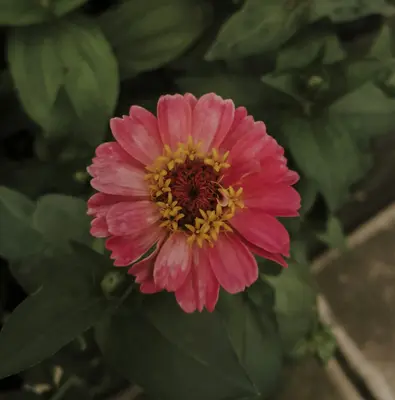
Uniform, productive plants. 3-5" long, bright pink, feathery spikes on long stems. Plants are slightly taller and later to mature compared to others in the Sunday series. Pale green stems and light green foliage. Raw, uncoated seed.
Harvest
85-100d
Days to harvest
Sun
Full sun
Zones
10–11
USDA hardiness
Height
9-18 inches
Planting Timeline
Showing dates for Sunday™ Bright Pink in USDA Zone 7
All Zone 7 flower →Zone Map
Click a state to update dates
Sunday™ Bright Pink · Zones 10–11
Growing Details
Succession Planting
Celosia keeps pushing plumes all season as long as you cut regularly, so one planting usually carries you through. If you want a staggered cut-flower harvest rather than one big flush, start a second round of seeds indoors 3-4 weeks after your first, then transplant that batch out in late May. In zone 7, don't move transplants outside before nighttime temps are reliably above 50°F — celosia stalls in cold soil, and rushing it buys nothing.
Stop starting new rounds by mid-June in zone 7. Seeds started after that won't log enough warm weeks to hit the 85-100 day mark before fall nights cool down and shut flowering down. Two successions, about 3-4 weeks apart, is plenty for a steady supply.
Complete Growing Guide
Uniform, productive plants. 3-5" long, bright pink, feathery spikes on long stems. Plants are slightly taller and later to mature compared to others in the Sunday series. Pale green stems and light green foliage. Raw, uncoated seed. According to Johnny's Selected Seeds, Sunday™ Bright Pink is 85 - 100 days to maturity, annual, open pollinated. Notable features: Use for Cut Flowers and Bouquets, Ideal for Drying and Crafts, Attracts Beneficial Insects.
Light: Full sun (6 or more hours of direct sunlight a day). Soil: High Organic Matter, Loam (Silt), Sand. Soil pH: Neutral (6.0-8.0). Drainage: Good Drainage, Occasionally Dry. Height: 0 ft. 9 in. - 1 ft. 6 in.. Spread: 0 ft. 9 in. - 1 ft. 0 in.. Spacing: 12 inches-3 feet. Growth rate: Rapid. Maintenance: Low. Propagation: Seed. Regions: Coastal, Piedmont.
Harvesting
Sunday™ Bright Pink reaches harvest at 85 - 100 days from sowing per Johnny's Selected Seeds. Expect 3-5" at peak. As an annual, harvest continues until frost ends the season.
Smooth, glossy, shiny capsule contain many seeds
Color: Black. Type: Capsule.
Edibility: The leaves and young shoots are cooked and used in soups and stews. The seeds yield edible oil.
Storage & Preservation
For fresh storage, keep stems in a vase of cool water at room temperature (65-72°F) away from direct sunlight and ripening fruit. Change water every 2-3 days; fresh celosia stems typically last 10-14 days in water. For longer preservation, air dry by hanging bundles upside-down in a well-ventilated, dark space for 2-3 weeks until completely dry. Store dried flowers in airtight containers away from moisture. Alternatively, press individual flower spikes between parchment paper under weight for 3-4 weeks for flat botanical specimens, or freeze in silica gel to preserve color and structure for extended display.
History & Origin
Sunday™ Bright Pink is open-pollinated, meaning seed saved from healthy plants will produce true-to-type offspring. Listed in the Johnny's Selected Seeds catalog.
Origin: Tropical Africa
Advantages
- +Vibrant bright pink feathery spikes create striking visual impact in arrangements.
- +Long stems on uniform plants ideal for cut flower production and bouquets.
- +Easy cultivation makes Sunday Bright Pink suitable for beginner and commercial growers.
- +Productive plants deliver consistent 3-5 inch blooms throughout the growing season.
Considerations
- -Later maturity at 85-100 days requires extended season planning compared to competitors.
- -Raw uncoated seed needs careful moisture management during germination phase.
- -Slightly taller plant habit may require staking or support in windy conditions.
Companion Plants
Marigolds (especially French types like 'Petite Gold') and sweet alyssum are the most practical companions for Sunday Bright Pink. Marigolds produce thiophene compounds from their roots that suppress soil nematodes, and their scent disrupts aphid flight patterns. Sweet alyssum draws in parasitic wasps — the kind that lay eggs in caterpillars and aphids — and it fills in the low space below the celosia without competing at the same root depth. Nasturtiums pull double duty as a trap crop for aphids, luring them off the plumes. In our zone 7 Georgia gardens, zinnias and cosmos fit naturally in the same bed since they share the April–May transplant window and won't flinch when July temperatures climb past 95°F.
Black walnut trees are the companion to avoid above all others. Juglone — the compound walnuts release through roots and decomposing leaf litter — moves through soil and can stunt or kill ornamentals planted within the tree's drip zone, sometimes well beyond it. Fennel is a quieter problem: it's broadly allelopathic and tends to slow establishment in young transplants that are still putting down their first real roots.
Plant Together
Marigolds
Repel nematodes and aphids while attracting beneficial insects
Sweet Alyssum
Attracts beneficial insects and provides ground cover to retain soil moisture
Nasturtiums
Act as trap crops for aphids and cucumber beetles while adding complementary colors
Lavender
Repels moths, fleas, and mosquitoes while attracting pollinators
Catmint
Deters ants, aphids, and rodents while providing long-blooming purple flowers
Zinnia
Attracts butterflies and beneficial predatory insects like ladybugs
Cosmos
Attracts beneficial insects and provides vertical interest without competing for nutrients
Petunias
Repel aphids, tomato hornworms, and squash bugs naturally
Keep Apart
Black Walnut Trees
Release juglone toxin that inhibits growth and can kill sensitive flowering plants
Eucalyptus
Produces allelopathic compounds that inhibit germination and growth of nearby plants
Fennel
Releases growth-inhibiting chemicals and competes aggressively for nutrients
Troubleshooting Sunday™ Bright Pink
What you'll see, why it happens, and what to do about it.
Seedlings collapse at the soil line, stems pinched and rotted, usually within the first 2 weeks after germination
Likely Causes
- Damping off — most commonly Pythium or Rhizoctonia solani — triggered by overwatering and poor airflow around seedling trays
- Sowing too deep; celosia seed needs light to germinate and burying it keeps the soil too wet around the stem
What to Do
- 1.Surface-sow or barely cover seed (1/8 inch max), and run a small fan near your seed trays for 1-2 hours a day
- 2.Water from the bottom — set trays in a shallow pan — so the soil surface stays drier
- 3.Discard affected trays; don't try to salvage damped-off seedlings, the fungus spreads fast
Leaves showing pale or silvery stippling, with tiny bronze or yellow speckling across the surface, especially in hot dry stretches
Likely Causes
- Two-spotted spider mite (Tetranychus urticae) — populations explode when temperatures stay above 90°F and humidity drops
- Drought stress weakening the plant's natural defenses
What to Do
- 1.Knock mites off with a strong stream of water from a hose, hitting the undersides of leaves — do this in the morning so foliage dries before nightfall
- 2.Apply neem oil (diluted to 2% per label) or insecticidal soap every 5-7 days until stippling stops spreading
- 3.Keep soil evenly moist; stressed, dry plants attract mites faster
Plumes turning mushy or developing gray fuzzy patches, usually after a stretch of cool, wet weather
Likely Causes
- Botrytis cinerea (gray mold) — dense flower heads trap moisture and give it exactly the foothold it needs
- Planting too close together (under 18 inches) blocking airflow between plants
What to Do
- 1.Remove and trash (don't compost) any affected plumes immediately — Botrytis spreads by spores and moves fast
- 2.Space plants at the full 18-24 inch recommendation and avoid overhead watering late in the day
- 3.If it keeps recurring, a copper-based fungicide applied every 7-10 days during wet spells can slow it down
Frequently Asked Questions
How long do Sunday Bright Pink celosia flowers last once cut?▼
Can you grow Sunday Bright Pink celosia in containers?▼
Is celosia easy to grow for beginners?▼
When should I plant Sunday Bright Pink celosia seeds?▼
What makes Sunday Bright Pink different from other celosia varieties?▼
How far apart should I space Sunday Bright Pink celosia plants?▼
Zone-by-Zone Planting Calendar
| Zone | Indoor Start | Transplant | Direct Sow | Harvest |
|---|---|---|---|---|
| Zone 1 | May – June | July – August | July – September | — |
| Zone 2 | April – May | June – July | June – August | — |
| Zone 11 | January – January | January – February | January – March | — |
| Zone 12 | January – January | January – February | January – March | — |
| Zone 13 | January – January | January – February | January – March | — |
| Zone 3 | April – May | June – July | June – August | — |
| Zone 4 | March – April | June – June | June – July | — |
| Zone 5 | March – April | May – June | May – July | — |
| Zone 6 | March – April | May – June | May – July | — |
| Zone 7 | February – March | April – May | April – June | — |
| Zone 8 | February – March | April – May | April – June | — |
| Zone 9 | January – February | March – April | March – May | — |
| Zone 10 | January – January | February – March | February – April | — |
Growing Guides from Wind River Greens
Sources & References
External authority sources used in compiling this guide.
- BreederJohnny's Selected Seeds
See the Methodology page for how this data is sourced, what's AI-assisted, and known limitations.