Oklahoma Scarlet
Zinnia elegans
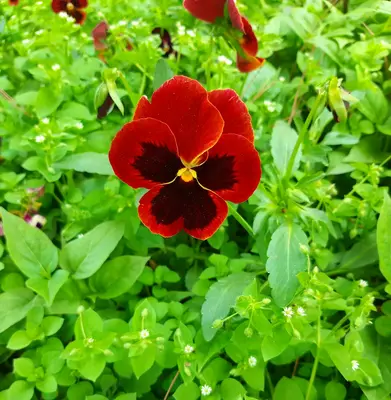
Prolific 1 1/2-2 1/2" double and semidouble petite, yet sturdy, scarlet red blooms. Excellent, reliable accent flowers for market bouquets, wedding flowers, and event work. Cut-and-come-again flower, yielding multiple cuts over the season.
Harvest
75-90d
Days to harvest
Sun
Full sun
Zones
2–11
USDA hardiness
Height
0-3 feet
Planting Timeline
Showing dates for Oklahoma Scarlet in USDA Zone 7
All Zone 7 flower →Zone Map
Click a state to update dates
Oklahoma Scarlet · Zones 2–11
Growing Details
Succession Planting
Oklahoma Scarlet keeps blooming as long as you deadhead it regularly, so a single planting will carry you through most of the warm season. That said, if you want continuous flushes of fresh, full-sized blooms rather than relying on one planting to sustain itself, direct sow every 3 weeks from your last frost date through early summer — in zone 7, that's roughly April 1 through June 15. Stop sowing once daytime highs are reliably above 90°F; seeds germinate fine in heat, but seedlings started that late often get cut short by first frost before they hit peak bloom at 75 to 90 days.
If you're growing for cut flowers specifically, that 3-week cadence makes a real difference — you get distinct waves of stems rather than a single mid-summer glut. Pinch transplants or seedlings at 8 to 12 inches tall to encourage branching; plants left unpinched tend to throw one strong central stem and then slow down considerably.
Complete Growing Guide
Oklahoma Scarlet is one of the easiest cut flowers you can grow, but a few details separate a decent patch from a truly productive one. Start by choosing a site with at least 6–8 hours of direct sun and good airflow — zinnias are prone to powdery mildew, and crowded, shaded plantings will mildew by midsummer no matter what variety you grow.
Work 2–3 inches of finished compost into the bed before planting and add a balanced organic fertilizer (something like 5-5-5) at the rate listed on the bag. Zinnias prefer fertile, well-drained soil with a pH around 6.0–7.0. Heavy clay should be amended with compost; sandy soils benefit from added organic matter to hold moisture.
You can direct sow Oklahoma Scarlet after your last frost date once soil temperatures reach 70°F, or start seeds indoors 4–6 weeks before transplanting. Indoor starts give you a 2–3 week head start, which is valuable in cooler zones (3–6). Sow seeds ¼ inch deep; they germinate in 5–10 days at warm temperatures. Don't start them too early — zinnias resent being root-bound and sulk for weeks if transplanted late.
Space plants 9–12 inches apart for cut-flower production. This tighter-than-recommended spacing forces longer, straighter stems and discourages overly bushy growth. For market growers, a single layer of horizontal netting (Hortonova) installed at 12 inches high will keep stems straight through summer storms. Home gardeners can usually skip staking thanks to Oklahoma Scarlet's sturdy habit.
Pinch your plants when they reach 8–12 inches tall by snipping out the top 3–4 inches above a set of leaves. This single step is the most-skipped trick in zinnia growing — it triples your stem count and dramatically improves stem length on later harvests. Pinched plants branch from the base and produce dozens of usable cut stems instead of one central flower.
Water deeply once a week, aiming for about an inch, and water at the base of the plant rather than overhead to keep foliage dry. Drip irrigation or soaker hoses are ideal. Side-dress with compost or a light dose of liquid fish emulsion every 3–4 weeks during peak bloom to keep production high.
Common mistakes to avoid: planting too early in cold soil (seeds rot), overhead watering (mildew), skipping the pinch (short stems), and harvesting too soon (floppy stems that won't hold up in a vase). In zones 8–10, a second succession sown in early July will give you fresh, mildew-free plants for fall harvest when your spring planting starts to fade. Deadhead or harvest religiously — every spent bloom left on the plant signals it to slow production.
Harvesting
Oklahoma Scarlet is a cut-and-come-again flower, and harvest technique directly affects how many stems you get over the season. The single most important rule: cut deep. Reach 12–18 inches down into the plant and snip just above a leaf node, even if you're sacrificing a few smaller buds. Shallow cuts produce short, weak side stems; deep cuts force vigorous new growth from the base.
Use the "wiggle test" to judge readiness — gently grasp the stem about 8 inches below the bloom and give it a shake. If the stem is stiff and the flower head stays upright, it's ready. If the stem bends or the flower flops, leave it another day or two. Picked too early, zinnia stems will never firm up in the vase.
Harvest in the cool of early morning when stems are fully hydrated, and plunge them immediately into clean, cool water. Strip all foliage that would sit below the waterline. Cut every 2–3 days at peak season; the more aggressively you harvest, the more the plant produces.
Storage & Preservation
Once harvested, condition Oklahoma Scarlet stems in clean water with floral preservative for at least 2–3 hours in a cool, dark location before arranging. Properly cut and conditioned stems hold 7–10 days in the vase — exceptional for a zinnia. Store at 38–40°F if you have a flower cooler, but unlike many cut flowers, zinnias are chill-sensitive and can be damaged below 35°F, so don't use a regular refrigerator for long-term storage.
For preservation, Oklahoma Scarlet's smaller, denser blooms dry beautifully using silica gel, retaining their scarlet color far better than air-drying (which fades them to dusty maroon). Pressing also works well for the semidouble blooms — flatten between blotter paper under heavy books for 2–3 weeks for use in resin jewelry, cards, or framed botanical art.
History & Origin
Oklahoma Scarlet is part of the Oklahoma series of zinnias (Zinnia elegans), a cut-flower series developed specifically to address a gap in the market: florists and bouquet makers wanted a smaller-bloomed, more refined zinnia than the popular Benary's Giant series, with the same disease tolerance and long stems. The Oklahoma series — which also includes Salmon, Pink, Ivory, Carmine, and Formula Mix — was bred to produce 1½–2½ inch double and semidouble flowers on long, wiry stems ideal for mixed bouquet work.
Like all garden zinnias, Oklahoma Scarlet traces its ancestry to Zinnia elegans, a wildflower native to the grasslands of Mexico. Spanish botanists sent seeds to Europe in the 18th century, where the genus was named for German botanist Johann Gottfried Zinn. Modern cut-flower zinnia breeding accelerated in the late 20th century as the specialty cut-flower industry grew, and the Oklahoma series has become a backbone variety on small flower farms across North America for its productivity, color saturation, and excellent vase life.
Advantages
- +Exceptional vase life of 7–10 days, longer than most zinnia varieties
- +Smaller bloom size makes it ideal for mixed bouquets where Benary's Giants would dominate
- +True scarlet red color holds saturation in heat without fading to pink or coral
- +Sturdy, wiry stems rarely require staking even in summer storms
- +Cut-and-come-again habit produces dozens of stems per plant over the season
- +Easy from direct-sown seed — beginner friendly with high success rate
- +Heat and humidity tolerant, performing well in southern summers
Considerations
- -Susceptible to powdery mildew in late summer, especially with overhead watering or poor airflow
- -Requires aggressive pinching and deep harvesting to reach full productivity — casual gardeners often get short stems
- -Not frost tolerant; a single light frost ends the season
- -Can attract Japanese beetles, which target the open blooms
- -Smaller bloom size means it works as an accent flower, not a focal flower
Companion Plants
Marigolds and nasturtiums are the most practical companions here. French marigold types like 'Petite Gold' release thiophene compounds from their roots that suppress root-knot nematodes in the surrounding soil, and their scent is thought to confuse aphids scouting for nearby vegetable crops. Nasturtiums pull double duty — they draw aphids away from more valuable plants and attract predatory insects like lacewings. Neither one competes hard with Oklahoma Scarlet's root system, which stays shallow given the plant tops out around 3 feet.
Sweet alyssum and catmint earn their spots by pulling in parasitic wasps and hoverflies — both of which prey on soft-bodied pests like aphids and thrips. Plant them as a low border 6 to 8 inches out from your zinnia rows and they act as a landing pad for those predators without shading anything out. Cosmos is a looser fit; fine nearby, but at 4 to 6 feet it can lean into shorter zinnias if you're not watching placement.
Black walnut (Juglans nigra) is the one to keep well off the list — juglone, the compound it releases from roots and decomposing hulls, is toxic to a wide range of ornamentals within the drip zone, and zinnias aren't tolerant of it. Eucalyptus causes similar problems through allelopathic oils in both its roots and dropped leaf litter; the damage there tends to show up as stunted, off-color seedlings that never really get going. Sunflowers aren't chemically problematic the same way, but they're aggressive enough for light that anything planted closer than 18 inches tends to come up short.
Plant Together
Marigolds
Repel nematodes and aphids while attracting beneficial insects
Nasturtiums
Act as trap crops for aphids and cucumber beetles, protecting nearby plants
Sweet Alyssum
Attracts beneficial insects like lacewings and parasitic wasps
Zinnias
Attract pollinators and beneficial predatory insects while providing color contrast
Cosmos
Attract beneficial insects and provide structural support without competing for nutrients
Lavender
Repels pests like moths and fleas while attracting pollinators
Catmint
Deters aphids, ants, and rodents while attracting beneficial pollinators
Petunias
Repel aphids, tomato hornworms, and other garden pests
Keep Apart
Black Walnut Trees
Release juglone toxin that inhibits growth and can kill sensitive flowering plants
Sunflowers
Produce allelopathic compounds that can stunt growth of nearby smaller flowers
Eucalyptus
Releases allelopathic oils that inhibit seed germination and plant growth
Troubleshooting Oklahoma Scarlet
What you'll see, why it happens, and what to do about it.
White powdery coating on upper leaf surfaces, usually showing up mid-summer once plants are mature
Likely Causes
- Powdery mildew (Erysiphe cichoracearum) — a fungal disease that thrives in warm days, cool nights, and poor airflow
- Crowded spacing under 9 inches that traps humidity between plants
What to Do
- 1.Remove and trash the worst-affected leaves — don't compost them
- 2.Thin or cut back neighboring plants to open up airflow around the stems
- 3.Spray with a diluted potassium bicarbonate solution (1 tablespoon per gallon of water) every 7 days until new growth looks clean
Seedlings collapse at the soil line within the first 2 weeks after germination
Likely Causes
- Damping off — typically Pythium or Rhizoctonia fungi, almost always triggered by overwatering or poorly draining seed-starting mix
- Sowing too early into cold, wet soil below 60°F
What to Do
- 1.Don't water again until the top half-inch of the mix is dry
- 2.If starting indoors, use a fresh sterile seed-starting mix — not garden soil or old potting mix from last season
- 3.For direct sow, wait until soil temps are consistently at or above 65°F
Ragged holes chewed in petals and flower buds, sometimes whole buds disappearing overnight
Likely Causes
- Japanese beetles (Popillia japonica) — they're particularly drawn to open-faced flowers like zinnias in mid-summer
- Caterpillars (various Lepidoptera larvae), especially if damage appears on both petals and nearby leaves
What to Do
- 1.Hand-pick Japanese beetles in the morning when they're sluggish and drop them into a bucket of soapy water
- 2.Check the undersides of leaves for caterpillar egg masses and crush them
- 3.Apply Bacillus thuringiensis (Bt) spray to foliage if caterpillar pressure is heavy — it won't affect beetles, so identify which pest you have first
Frequently Asked Questions
How long does Oklahoma Scarlet zinnia take to grow?▼
Is Oklahoma Scarlet good for beginners?▼
Can you grow Oklahoma Scarlet in containers?▼
How tall does Oklahoma Scarlet zinnia get?▼
What's the difference between Oklahoma Scarlet and Benary's Giant Scarlet?▼
When should I plant Oklahoma Scarlet zinnia seeds?▼
Zone-by-Zone Planting Calendar
| Zone | Indoor Start | Transplant | Direct Sow | Harvest |
|---|---|---|---|---|
| Zone 1 | May – June | July – August | July – September | — |
| Zone 2 | April – May | June – July | June – August | — |
| Zone 11 | January – January | January – February | January – March | — |
| Zone 12 | January – January | January – February | January – March | — |
| Zone 13 | January – January | January – February | January – March | — |
| Zone 3 | April – May | June – July | June – August | — |
| Zone 4 | March – April | June – June | June – July | — |
| Zone 5 | March – April | May – June | May – July | — |
| Zone 6 | March – April | May – June | May – July | — |
| Zone 7 | February – March | April – May | April – June | — |
| Zone 8 | February – March | April – May | April – June | — |
| Zone 9 | January – February | March – April | March – May | — |
| Zone 10 | January – January | February – March | February – April | — |
Growing Guides from Wind River Greens
Sources & References
External authority sources used in compiling this guide.
- BreederJohnny's Selected Seeds
See the Methodology page for how this data is sourced, what's AI-assisted, and known limitations.