Oklahoma Golden Yellow
Zinnia elegans
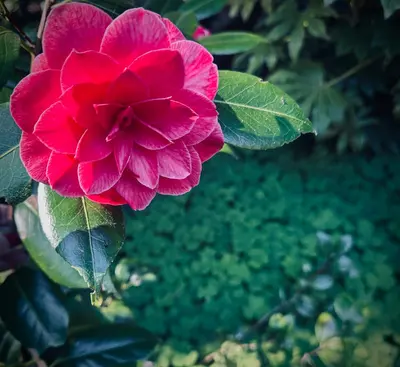
Wikimedia Commons via Zinnia elegans
Prolific 1 1/2-2 1/2" double and semidouble petite, yet sturdy, flowers. Blooms are a rich, golden yellow with red-to-yellow centers. Excellent, reliable accent flowers for market bouquets, wedding flowers, and event work. Cut-and-come-again flower, yielding multiple cuts over the season.
Harvest
75-90d
Days to harvest
Sun
Full sun
Zones
2–11
USDA hardiness
Height
0-3 feet
Planting Timeline
Showing dates for Oklahoma Golden Yellow in USDA Zone 7
All Zone 7 flower →Zone Map
Click a state to update dates
Oklahoma Golden Yellow · Zones 2–11
Growing Details
Succession Planting
Oklahoma Golden Yellow is a warm-season annual that blooms continuously once it gets going, so you don't need to succession sow the way you would with lettuce or radishes — one planting per season is the standard approach. If you're cutting heavily for market or bouquets, staggering two sowings about 3 weeks apart (a direct sow in late April and again in mid-May in zone 7) gives you a more even stem supply rather than one big flush followed by a gap.
Stop direct sowing by late June in most zones. Seeds germinate best when soil temperatures are above 60°F, and plants started much past midsummer won't have enough warm days left to hit the 75–90 day mark before frost arrives.
Complete Growing Guide
Prolific 1 1/2-2 1/2" double and semidouble petite, yet sturdy, flowers. Blooms are a rich, golden yellow with red-to-yellow centers. Excellent, reliable accent flowers for market bouquets, wedding flowers, and event work. Cut-and-come-again flower, yielding multiple cuts over the season. According to Johnny's Selected Seeds, Oklahoma Golden Yellow is 75 - 90 days to maturity, annual, open pollinated. Notable features: Grows Well in Containers, Use for Cut Flowers and Bouquets.
Light: Full sun (6 or more hours of direct sunlight a day). Soil: High Organic Matter, Loam (Silt). Soil pH: Acid (<6.0), Alkaline (>8.0), Neutral (6.0-8.0). Drainage: Good Drainage, Occasionally Dry. Height: 0 ft. 6 in. - 3 ft. 0 in.. Spread: 0 ft. 8 in. - 1 ft. 0 in.. Spacing: 12 inches-3 feet. Growth rate: Rapid. Maintenance: Medium. Propagation: Seed. Regions: Coastal, Mountains, Piedmont.
Harvesting
Oklahoma Golden Yellow reaches harvest at 75 - 90 days from sowing per Johnny's Selected Seeds. Expect 1 1/2-2 1/2" at peak. As an annual, harvest continues until frost ends the season.
Type: Achene.
Storage & Preservation
Store fresh-cut Oklahoma Golden Yellow flowers in a cool location with indirect light; refrigeration at 34-40°F extends vase life significantly compared to room temperature storage. Maintain 80-90% humidity to prevent petal drying. Vase life is typically 7-10 days with fresh water changes every 2-3 days and stem re-cuts. For preservation, air-dry flowers upside-down in a dark, well-ventilated space for 2-3 weeks to create long-lasting dried arrangements. Alternatively, press individual blooms between paper for 4-6 weeks to preserve them flat. Silica gel drying (24-48 hours) preserves color and form exceptionally well for display purposes.
History & Origin
Oklahoma Golden Yellow is open-pollinated, meaning seed saved from healthy plants will produce true-to-type offspring. Listed in the Johnny's Selected Seeds catalog.
Origin: Mexico
Advantages
- +Prolific blooming produces abundant cut flowers throughout the season
- +Unique golden-yellow with red centers creates striking visual contrast
- +Reliable performer for professional florists and wedding event arrangements
- +Compact 1.5-2.5 inch doubles ideal for small bouquet designs
- +Cut-and-come-again habit encourages bushier growth with repeated harvesting
Considerations
- -75-90 day maturity requires early sowing for summer peak bloom
- -Double petals may trap moisture, increasing mildew risk in humidity
- -Golden yellow flowers fade noticeably in intense direct sunlight exposure
- -Petite size limits use as standalone focal flowers in arrangements
Companion Plants
Marigolds (especially Tagetes patula) are the most practical companion here — they suppress soil nematodes through root exudates and draw in predatory insects that keep aphid populations down. Cosmos and sunflowers do similar work attracting beneficial wasps and hoverflies, and the height variation is useful if you're cutting for bouquets. Sweet alyssum tucked at the border of a zinnia bed earns its spot — it blooms for months and keeps ground beetles active nearby. Dill pulls parasitic wasps and does fine alongside zinnias as long as it doesn't get tall enough to shade them out.
The three problematic companions are worth understanding, not just memorizing. Black walnut produces juglone, a compound that leaches from roots and fallen leaf litter and can stunt or kill nearby plants — keep zinnias outside the drip line, which on a mature tree can extend 20 feet or more. Eucalyptus works through a similar mechanism: allelopathic compounds in its leaf drop inhibit germination and growth underneath the canopy. Fennel is a different situation; it's broadly antagonistic to most garden plants and suppresses neighbors even when it looks like it's just standing there doing nothing.
Plant Together
Marigolds
Repel nematodes and aphids while attracting beneficial insects
Nasturtiums
Act as trap crops for aphids and cucumber beetles, protecting nearby plants
Zinnia
Attract pollinators and beneficial predatory insects like ladybugs
Cosmos
Provide habitat for beneficial insects and attract pollinators
Sweet Alyssum
Attracts hoverflies and parasitic wasps that control garden pests
Lavender
Repels moths, fleas, and mosquitoes while attracting beneficial pollinators
Sunflowers
Provide wind protection and attract beneficial birds that eat garden pests
Dill
Attracts beneficial insects like lacewings and parasitic wasps
Keep Apart
Black Walnut
Produces juglone which is toxic to many flowering plants
Eucalyptus
Releases allelopathic compounds that inhibit growth of nearby plants
Fennel
Inhibits growth of most garden plants through allelopathy
Troubleshooting Oklahoma Golden Yellow
What you'll see, why it happens, and what to do about it.
White powdery coating on leaves and stems, usually appearing mid-summer when nights cool down
Likely Causes
- Powdery mildew (Erysiphe cichoracearum) — a fungal pathogen that thrives in humid nights combined with warm, dry days
- Poor airflow from crowded planting
What to Do
- 1.Space plants at least 12 inches apart at planting — crowding is the main accelerant
- 2.Remove heavily coated leaves and bin them, don't compost
- 3.Spray with a diluted potassium bicarbonate solution (1 tablespoon per gallon of water) every 7 days until the spread stops
Seedlings collapse at soil level, stems look pinched or water-soaked just below the surface
Likely Causes
- Damping-off (Pythium or Rhizoctonia spp.) — fungal complex triggered by wet, poorly drained starting mix
- Sowing too densely in trays, which keeps moisture high around stems
What to Do
- 1.Use a sterile, well-draining seed-starting mix — not garden soil, which carries these pathogens
- 2.Water from the bottom of trays and let the surface dry slightly between waterings
- 3.If starting indoors, run a small fan near seedlings for 30 minutes a day to dry stem bases
Petals and buds chewed or missing, small ragged holes on leaves, usually noticed in the morning
Likely Causes
- Japanese beetle (Popillia japonica) — feeds aggressively on zinnia flowers in midsummer
- Caterpillars (various Lepidoptera larvae), particularly on young transplants
What to Do
- 1.Hand-pick Japanese beetles in the early morning when they're sluggish and drop them into soapy water
- 2.For caterpillar pressure, apply Bacillus thuringiensis (Bt) spray directly to foliage — it works within 24–48 hours and won't harm pollinators
- 3.Don't site zinnias immediately adjacent to linden or rose, which pull Japanese beetle pressure into the area
Frequently Asked Questions
How long do Oklahoma Golden Yellow flowers last in a vase?▼
Are Oklahoma Golden Yellow flowers good for beginner gardeners?▼
When should I plant Oklahoma Golden Yellow flowers?▼
Can I grow Oklahoma Golden Yellow in containers?▼
How many cuts can I get from Oklahoma Golden Yellow plants?▼
What makes Oklahoma Golden Yellow suitable for wedding and event work?▼
Zone-by-Zone Planting Calendar
| Zone | Indoor Start | Transplant | Direct Sow | Harvest |
|---|---|---|---|---|
| Zone 1 | May – June | July – August | July – September | — |
| Zone 2 | April – May | June – July | June – August | — |
| Zone 11 | January – January | January – February | January – March | — |
| Zone 12 | January – January | January – February | January – March | — |
| Zone 13 | January – January | January – February | January – March | — |
| Zone 3 | April – May | June – July | June – August | — |
| Zone 4 | March – April | June – June | June – July | — |
| Zone 5 | March – April | May – June | May – July | — |
| Zone 6 | March – April | May – June | May – July | — |
| Zone 7 | February – March | April – May | April – June | — |
| Zone 8 | February – March | April – May | April – June | — |
| Zone 9 | January – February | March – April | March – May | — |
| Zone 10 | January – January | February – March | February – April | — |
Growing Guides from Wind River Greens
Sources & References
External authority sources used in compiling this guide.
- BreederJohnny's Selected Seeds
See the Methodology page for how this data is sourced, what's AI-assisted, and known limitations.