Chief Gold
Celosia argentea cristata
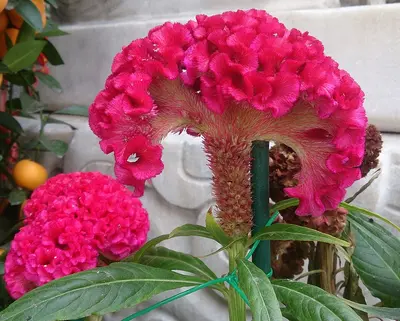
Sunny golden-yellow, 2-7" blooms make useful fresh or dried cut flowers. Also known as cockscomb and crested cock's comb.
Harvest
90-120d
Days to harvest
Sun
Full sun
Zones
10–11
USDA hardiness
Height
9-18 inches
Planting Timeline
Showing dates for Chief Gold in USDA Zone 7
All Zone 7 flower →Zone Map
Click a state to update dates
Chief Gold · Zones 10–11
Growing Details
Complete Growing Guide
Sunny golden-yellow, 2-7" blooms make useful fresh or dried cut flowers. Also known as cockscomb and crested cock's comb. According to Johnny's Selected Seeds, Chief Gold is 90 - 120 days to maturity, annual, open pollinated. Notable features: Use for Cut Flowers and Bouquets, Ideal for Drying and Crafts.
Light: Full sun (6 or more hours of direct sunlight a day). Soil: High Organic Matter, Loam (Silt), Sand. Soil pH: Neutral (6.0-8.0). Drainage: Good Drainage, Occasionally Dry. Height: 0 ft. 9 in. - 1 ft. 6 in.. Spread: 0 ft. 9 in. - 1 ft. 0 in.. Spacing: 12 inches-3 feet. Growth rate: Rapid. Maintenance: Low. Propagation: Seed. Regions: Coastal, Piedmont.
Harvesting
Chief Gold reaches harvest at 90 - 120 days from sowing per Johnny's Selected Seeds. Expect 2-7" at peak. As an annual, harvest continues until frost ends the season.
Smooth, glossy, shiny capsule contain many seeds
Color: Black. Type: Capsule.
Edibility: The leaves and young shoots are cooked and used in soups and stews. The seeds yield edible oil.
Storage & Preservation
For fresh blooms, keep stems in a vase with cool water at 65-72°F and change water every 2-3 days; they'll last 1-2 weeks on the counter. For longer preservation, use drying: hang upside-down in a cool, dark place with good air circulation for 2-3 weeks until completely dry, then store in airtight containers away from moisture. Alternatively, press flowers between parchment paper weighted under books for 2-4 weeks for flat displays. Dried Chief Gold flowers can last 1-2 years if kept in cool, low-humidity conditions away from direct sunlight.
History & Origin
Chief Gold is open-pollinated, meaning seed saved from healthy plants will produce true-to-type offspring. Listed in the Johnny's Selected Seeds catalog.
Origin: Tropical Africa
Advantages
- +Vibrant golden-yellow blooms add striking color to garden displays
- +Versatile for both fresh and dried flower arrangements and crafts
- +Extended bloom period of 90-120 days provides long seasonal interest
- +Easy to grow making it suitable for beginner gardeners
- +Compact 2-7 inch flower heads fit well in containers and borders
Considerations
- -Requires full sun exposure and may struggle in partial shade
- -Prefers well-draining soil and is susceptible to root rot with overwatering
- -Sensitive to cold temperatures and requires warm growing conditions
- -Spider mites and aphids frequently infest celosia plants in stressed conditions
Companion Plants
Marigolds (especially Tagetes patula) and nasturtiums are the most useful neighbors here. Marigolds produce root exudates that suppress soil-dwelling pests and help deter aphids and whiteflies above ground. Nasturtiums work differently — they're a trap crop, pulling aphid colonies onto themselves before the insects get a foothold on the celosia. Plant them at the bed edge where you can spot the damage early and cut the nasturtiums back hard if they get colonized. Sweet alyssum woven along the border attracts parasitic wasps (Aphidius and related genera) that target whitefly larvae — a pairing that earns its keep at around 6 inches tall without blocking the celosia's crested flower heads.
Black walnut (Juglans nigra) is the one to take seriously. Its roots, hulls, and leaf litter all release juglone — a compound that interferes with respiration in sensitive plants — and celosia falls in that sensitive category. The decline is slow and looks like a nutrient deficiency or chronic drought stress, which makes it easy to misdiagnose. Fennel is allelopathic to a broad range of annuals through root secretions and should simply have its own isolated bed rather than sharing space with any of your ornamentals.
Plant Together
Basil
Repels aphids, spider mites, and thrips while attracting beneficial pollinators
Marigolds
Natural pest deterrent against nematodes, aphids, and whiteflies
Nasturtiums
Acts as trap crop for aphids and cucumber beetles, adds vibrant color contrast
Zinnias
Attracts beneficial insects and butterflies, provides complementary flower colors
Cosmos
Attracts beneficial predatory insects and provides structural support
Sweet Alyssum
Ground cover that attracts hover flies and parasitic wasps for pest control
Chives
Repels aphids and other soft-bodied insects with strong scent
Lavender
Deters moths, fleas, and mosquitoes while attracting beneficial pollinators
Keep Apart
Black Walnut
Produces juglone toxin that inhibits growth and can cause wilting
Fennel
Allelopathic properties inhibit growth of nearby flowering plants
Eucalyptus
Releases growth-inhibiting compounds and competes aggressively for water
Pests & Disease Resistance
Common Pests
Spider mites, whiteflies, aphids
Diseases
Powdery mildew, root rot if overwatered
Troubleshooting Chief Gold
What you'll see, why it happens, and what to do about it.
Fine webbing on undersides of leaves, leaf edges going bronze or silver, around midsummer heat
Likely Causes
- Spider mite (Tetranychus urticae) infestation — thrives in hot, dry conditions above 85°F
- Dusty or water-stressed plants, which attract mites faster
What to Do
- 1.Blast the undersides of leaves with a strong stream of water every 2-3 days to knock mites off
- 2.Apply insecticidal soap or neem oil, coating the leaf undersides thoroughly — repeat every 5-7 days for three applications
- 3.Keep soil consistently moist; stressed plants are more vulnerable
Sticky residue on leaves and stems, tiny white insects flying up when you brush the plant
Likely Causes
- Whitefly (Trialeurodes vaporariorum or Bemisia tabaci) — common on celosia in warm weather
- Overcrowded planting with poor airflow
What to Do
- 1.Set out yellow sticky traps at plant height to monitor and reduce adult populations
- 2.Spray neem oil or insecticidal soap on undersides of leaves early morning, every 7 days until population drops
- 3.Space plants at least 18 inches apart to improve airflow and reduce buildup
White powdery coating on upper leaf surfaces, usually appearing in late summer or early fall
Likely Causes
- Powdery mildew (Erysiphe cichoracearum or a closely related species) — common when nights cool down while days stay warm
- Poor air circulation from dense planting
What to Do
- 1.Remove and trash (don't compost) heavily affected leaves immediately
- 2.Apply a baking soda spray (1 tablespoon baking soda + 1 teaspoon dish soap per gallon of water) weekly as a low-cost preventive
- 3.Next season, space plants the full 18-24 inches apart and avoid overhead watering
Stems turning brown and mushy at the base, plant wilting even when soil is wet
Likely Causes
- Root rot — Pythium or Rhizoctonia species are common culprits in waterlogged beds
- Poorly draining soil or containers without drainage holes
What to Do
- 1.Pull the plant — root rot this advanced rarely reverses; don't replant celosia in that spot for the rest of the season
- 2.Before replanting elsewhere, work coarse perlite or aged compost into the top 8-10 inches to open up drainage
- 3.Water only when the top inch of soil is dry; Chief Gold does not want wet feet
Frequently Asked Questions
How long do Chief Gold cockscomb flowers last as cut flowers?▼
Is Chief Gold cockscomb a good choice for beginner gardeners?▼
Can you grow Chief Gold cockscomb in containers?▼
When should I plant Chief Gold cockscomb seeds?▼
How do you dry Chief Gold flowers for arrangements?▼
What makes Chief Gold different from other cockscomb varieties?▼
Zone-by-Zone Planting Calendar
| Zone | Indoor Start | Transplant | Direct Sow | Harvest |
|---|---|---|---|---|
| Zone 1 | May – June | July – August | July – September | — |
| Zone 2 | April – May | June – July | June – August | — |
| Zone 11 | January – January | January – February | January – March | — |
| Zone 12 | January – January | January – February | January – March | — |
| Zone 13 | January – January | January – February | January – March | — |
| Zone 3 | April – May | June – July | June – August | — |
| Zone 4 | March – April | June – June | June – July | — |
| Zone 5 | March – April | May – June | May – July | — |
| Zone 6 | March – April | May – June | May – July | — |
| Zone 7 | February – March | April – May | April – June | — |
| Zone 8 | February – March | April – May | April – June | — |
| Zone 9 | January – February | March – April | March – May | — |
| Zone 10 | January – January | February – March | February – April | — |
Growing Guides from Wind River Greens
Sources & References
External authority sources used in compiling this guide.
- BreederJohnny's Selected Seeds
See the Methodology page for how this data is sourced, what's AI-assisted, and known limitations.