Elegance Salmon Rose
Lathyrus odoratus
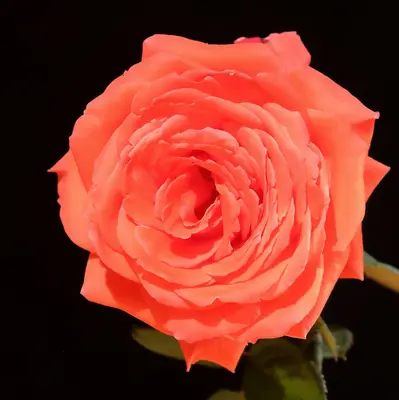
Coral-colored blooms. First and most abundant to bloom in our trials. Developed for flowering under short days, low light conditions, and in cool greenhouses. Suitable for spring or midwinter production. Long stems bear 3-5 blooms. Formerly called Winter Elegance. Can be spelled either as sweet pea or sweetpea. Attracts hummingbirds.
Harvest
75-85d
Days to harvest
Sun
Full sun
Zones
2–11
USDA hardiness
Height
3-8 feet
Planting Timeline
Showing dates for Elegance Salmon Rose in USDA Zone 7
All Zone 7 flower →Zone Map
Click a state to update dates
Elegance Salmon Rose · Zones 2–11
Growing Details
Succession Planting
Direct sow every 3 weeks starting when soil temperature reaches 45°F in spring, stopping about 6 weeks before your first expected stretch of 75°F+ days — in zone 7, that typically means wrapping up new sowings around late April. Seeds started after that point will germinate into heat and stall before they hit the 75-day mark. In zones 9–11, where summers are brutal but winters stay mild, flip the calendar entirely: sow in October or November for blooms in late winter and early spring, which is the better window in those climates anyway.
Complete Growing Guide
Elegance Salmon Rose sweet peas are best started indoors 6-8 weeks before your last spring frost, though they can also be direct sown outdoors 2-3 weeks before the final frost date. For indoor sowing, scarify the hard seed coat with sandpaper or soak seeds in room-temperature water for 12 hours before planting in starter mix. This variety was specifically developed for winter and early spring production, making it an excellent choice for cool greenhouse conditions or for gardeners seeking early season blooms in temperate climates. If you're aiming for midwinter flowers, you can sow seeds in late summer to early fall for winter flowering cycles.
Space seedlings or direct-sown seeds 4-6 inches apart in well-draining soil enriched with compost or aged manure. Plant seeds ½ inch deep and ensure the soil has good drainage, as Elegance Salmon Rose performs best in cool conditions where soggy roots are avoided. A slightly acidic to neutral pH of 6.0-7.0 is ideal. Since this variety grows tall—reaching 3 to 8 feet—install sturdy trellising or pea netting at planting time to support the vigorous vines as they develop their characteristic long stems bearing 3-5 blooms.
Water consistently throughout the growing season, providing about 1 inch per week through rainfall or irrigation. Keep soil evenly moist but not waterlogged. Once flowering begins around 75 days after sowing, begin a light weekly feeding with a balanced, phosphorus-rich fertilizer to encourage continuous blooming. Avoid high-nitrogen feeds, which promote excessive foliage over flowers.
Elegance Salmon Rose is generally pest-resistant, but watch for spider mites in warm greenhouses and powdery mildew during humid conditions—this variety's preference for cool temperatures and good air circulation naturally minimizes these issues. Inspect regularly for aphids, particularly on new growth.
For extended harvests, implement succession planting by sowing new seeds every 2-3 weeks through early spring. Pinch out the growing tips when seedlings reach 4-6 inches tall to encourage branching and denser flower production. Regular flower harvesting—cutting long stems for bouquets—actually promotes more blooms rather than depleting the plant.
The most common mistake gardeners make with Elegance Salmon Rose is providing too much warmth. Unlike many annual flowers that thrive in summer heat, this variety was engineered specifically for cool conditions and will struggle or stop blooming when temperatures consistently exceed 70°F. Gardeners in warm climates should treat it as a cool-season crop, sowing in fall or winter to capture its remarkable early-season performance and coral-colored beauty.
Harvesting
Elegance Salmon Rose reaches harvest at 75 - 85 days from sowing per Johnny's Selected Seeds. As an annual, harvest continues until frost ends the season.
Type: Legume.
Edibility: Sweet pea fruits are inedible and poisonous to humans.
Storage & Preservation
Store freshly cut Elegance Salmon Rose stems in a clean vase with cool water and floral preservative in a cool room (55–65°F) away from direct sun, ripening fruit, and heat sources. Change water every 2 days and recut stem bases at a 45° angle. Stems last 7–10 days indoors. For dry preservation, hang bundles in a warm, dry, dark place for 2–3 weeks until papery; dried blooms retain color and form for months in arrangements. You can also press individual flowers between newspaper under a heavy weight for 3–4 weeks for flat botanical keepsakes. Frozen stems lose their firmness and are not recommended, as sweet peas are primarily valued for fresh cut flowers rather than preserved forms.
History & Origin
Elegance Salmon Rose is open-pollinated, meaning seed saved from healthy plants will produce true-to-type offspring. Listed in the Johnny's Selected Seeds catalog.
Origin: Southern Italy, Sicily, Crete
Advantages
- +Coral blooms are stunning and unique among sweet pea varieties
- +Flowers earliest and most abundantly in varietal trials
- +Thrives in cool greenhouses with low light conditions
- +Produces long stems with multiple blooms per stem
- +Suitable for both spring and midwinter commercial production
Considerations
- -Requires cool temperatures; struggles in warm climates
- -Needs specific short-day conditions for optimal flowering
- -Limited color range appeals to fewer floral designers
Companion Plants
Marigolds (especially Tagetes patula) and alliums like chives or ornamental onions are the most useful neighbors here — both deter aphids, which will find your sweet peas given the chance. Lavender and catmint pull in predatory wasps and pollinators without competing hard for water at the root zone. Black walnut (Juglans nigra) is the one plant to keep well off the planting site — the juglone it releases into the soil will stunt Lathyrus roots noticeably, and large trees compound the problem by pulling soil moisture and dropping shade across the 6+ hours of sun this variety needs to flower.
Plant Together
Marigolds
Repel aphids, nematodes, and other rose pests while attracting beneficial insects
Lavender
Deters ants, moths, and deer while attracting pollinators and complementing rose fragrance
Catmint
Repels aphids and ants while attracting beneficial predatory insects
Alliums
Natural fungicide properties help prevent black spot and powdery mildew on roses
Clematis
Shares similar growing conditions and provides vertical interest without competing for nutrients
Salvia
Attracts beneficial insects and hummingbirds while deterring harmful pests
Geraniums
Repel Japanese beetles and other rose pests while providing complementary colors
Parsley
Attracts beneficial insects like hoverflies and parasitic wasps that control aphids
Keep Apart
Black Walnut
Produces juglone toxin that inhibits rose growth and can cause wilting
Large Trees
Compete for nutrients and water while creating excessive shade that reduces blooming
Impatiens
Require frequent watering which can promote fungal diseases in roses
Troubleshooting Elegance Salmon Rose
What you'll see, why it happens, and what to do about it.
White powdery coating on leaves and stems, usually showing up after the plant has been growing 4–6 weeks
Likely Causes
- Powdery mildew (Erysiphe pisi) — the most common sweet pea disease, favored by warm days and cool nights with poor airflow
- Crowded planting at under 6 inches apart, trapping humidity around the foliage
What to Do
- 1.Strip and bin (don't compost) the worst-affected leaves immediately
- 2.Spray remaining foliage with a diluted potassium bicarbonate solution — 1 tablespoon per gallon of water — every 7 days
- 3.Next season, space plants at the full 12 inches and train them up a trellis so air moves through
Young shoots wilting and collapsing at soil level, often with a dark, pinched-looking stem base
Likely Causes
- Damping off — typically Pythium or Fusarium fungi in overly wet, poorly draining seed-starting mix
- Overwatering seedlings kept in trays without bottom drainage
What to Do
- 1.Pull the affected seedlings out entirely — there's no saving a damped-off stem
- 2.Let the remaining mix dry down noticeably between waterings; sweet peas want consistent moisture, not constant wet
- 3.Use a sterile seed-starting mix, make sure trays drain freely, and point a small fan at the seedlings to move air across the surface
Flower production stopping and foliage yellowing in early summer, well before frost
Likely Causes
- Heat shutdown — Lathyrus odoratus stops blooming reliably once daytime temps stay above 75–80°F
- Failure to deadhead, which signals the plant to set seed and quit flowering
What to Do
- 1.Cut flowers every 2–3 days once blooming starts — don't let any pods form if you want the season to last
- 2.Apply a 2-inch layer of straw mulch around the base to keep roots cooler for a few extra weeks
- 3.Sweet peas are a spring crop in most climates; plan to pull plants by early summer and put something heat-tolerant in that bed
Frequently Asked Questions
How long does Elegance Salmon Rose take to flower from seed?▼
Is Elegance Salmon Rose a good choice for beginners?▼
Can Elegance Salmon Rose be grown in containers or pots?▼
Why is Elegance Salmon Rose called 'Winter Elegance' and is it better for winter growing?▼
How often should I deadhead Elegance Salmon Rose to keep it blooming?▼
What's special about Elegance Salmon Rose for cut flowers compared to other sweet peas?▼
Zone-by-Zone Planting Calendar
| Zone | Indoor Start | Transplant | Direct Sow | Harvest |
|---|---|---|---|---|
| Zone 3 | April – May | June – July | June – August | — |
| Zone 4 | March – April | June – June | June – July | — |
| Zone 5 | March – April | May – June | May – July | — |
| Zone 6 | March – April | May – June | May – July | — |
| Zone 7 | February – March | April – May | April – June | — |
| Zone 8 | February – March | April – May | April – June | — |
| Zone 9 | January – February | March – April | March – May | — |
| Zone 10 | January – January | February – March | February – April | — |
| Zone 1 | May – June | July – August | July – September | — |
| Zone 2 | April – May | June – July | June – August | — |
| Zone 11 | January – January | January – February | January – March | — |
| Zone 12 | January – January | January – February | January – March | — |
| Zone 13 | January – January | January – February | January – March | — |
Growing Guides from Wind River Greens
Sources & References
External authority sources used in compiling this guide.
- BreederJohnny's Selected Seeds
See the Methodology page for how this data is sourced, what's AI-assisted, and known limitations.