Sonja
Helianthus annuus
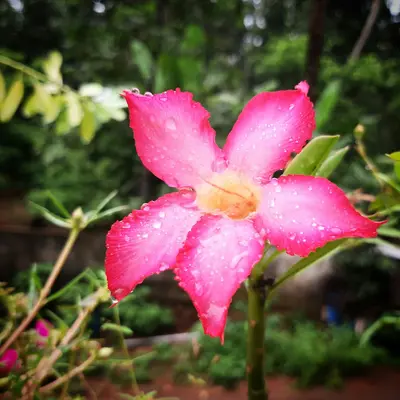
Tangerine petals with dark centers. Sprays of 8 or more side branches on strong 17-28" stems bear 4" blooms. Long vase life. Bears pollen; good for bee forage. Day-length neutral. Branching.
Harvest
70-85d
Days to harvest
Sun
Full sun
Zones
2–11
USDA hardiness
Height
1-10 feet
Planting Timeline
Showing dates for Sonja in USDA Zone 7
All Zone 7 flower →Zone Map
Click a state to update dates
Sonja · Zones 2–11
Growing Details
Succession Planting
Sonja is a branching variety, so one planting keeps throwing cut stems for several weeks — you don't need to succession sow the way you would with lettuce or cilantro. That said, if you want a continuous harvest running from late June into October, stagger two or three direct sowings about 21 days apart, starting April 1 and running through early June in zone 7. Each wave takes 70–85 days to first flower, so the math works out cleanly.
Stop sowing by June 10 or so. Plants started later will be pushing bloom in September when days are shortening fast and powdery mildew (Erysiphe cichoracearum) pressure spikes hard in the humidity. You'll still get flowers, but stems get shorter and heads get smaller. Earlier plantings almost always outperform late ones with sunflowers in the Southeast.
Complete Growing Guide
Sonja sunflowers can be started either indoors or direct sown, depending on your climate. For indoor sowing, start seeds four to six weeks before your last spring frost date in seed-starting mix, planting them about three-quarters of an inch deep. Keep the soil consistently moist and warm, around 70°F, until germination occurs in seven to ten days. Alternatively, direct sow seeds into the garden two to three weeks after your last frost date, once soil temperatures have warmed to at least 50°F. Since Sonja is day-length neutral, you have flexibility in planting timing without worrying about photoperiod interference with flowering.
When preparing soil for Sonja, ensure a well-draining location with full sun exposure—at least six to eight hours daily. Space plants twelve to eighteen inches apart to accommodate the robust branching habit this variety is known for; those multiple side branches need adequate air circulation to thrive. The soil should be moderately fertile and loose, as sunflower roots penetrate deeply. Mix in compost before planting to improve structure without over-enriching, which can promote excessive foliage at the expense of blooms.
Water Sonja consistently, providing one to one and a half inches per week through rainfall or irrigation. During establishment, water more frequently to keep soil evenly moist. Once plants reach twelve inches tall, you can reduce frequency slightly, though consistent moisture is still important for optimal stem strength and flower production. Feed every two to three weeks with a balanced fertilizer like a 10-10-10 formula, or switch to a lower-nitrogen, higher-phosphorus blend (such as 5-10-10) once flowering begins to encourage more blooms rather than excessive vegetative growth.
Sonja's branching tendency and multiple flower stems make it somewhat susceptible to powdery mildew, particularly in humid conditions or when foliage stays wet overnight. Monitor leaves regularly and ensure good air circulation by avoiding overhead watering. Japanese beetles occasionally target sunflower leaves; handpick these pests early in the morning when they're sluggish. The pollen-bearing flowers also attract spider mites in dry conditions, so maintain consistent moisture to prevent pest infestations.
One critical technique gardeners often overlook with Sonja is pinching the main stem when plants reach six to twelve inches tall. Removing the top growing tip encourages more aggressive branching and creates those impressive spray arrangements of eight or more flowering stems per plant. This single action dramatically increases your floral yield per plant.
The most common mistake gardeners make with Sonja is planting too densely. The branching structure requires space; crowded plants develop thinner, weaker stems and fewer flowers. Additionally, many gardeners forget that despite Sonja's relatively short 70-day harvest window, succession planting every two weeks from spring through mid-summer provides continuous blooms until frost, making the most of this reliable, easy-to-grow variety.
Harvesting
Sonja reaches harvest at 70 - 85 days from sowing per Johnny's Selected Seeds. Expect 17-28" at peak. As an annual, harvest continues until frost ends the season.
Seeds are ovoid and somewhat flattened
Color: Black, Brown/Copper. Type: Achene. Length: < 1 inch. Width: < 1 inch.
Garden value: Edible
Harvest time: Fall
Edibility: Seeds are used for cooking oil, livestock feed, and as a snack food or garnish. Petals are edible and young flower buds can be steamed like artichokes.
Storage & Preservation
Store fresh-cut Sonja stems in a cool location (65-72°F) away from direct sunlight, or refrigerate at 34-40°F for extended vase life of 7-10 days. Keep water fresh and stems trimmed every 2-3 days. For preservation: air-dry by hanging stems upside down in a warm, dark space for 2-3 weeks to create long-lasting dried arrangements. Press individual blooms between parchment paper under heavy weight for 1-2 weeks for botanical crafts. Alternatively, freeze petals in ice cubes with water for decorative use in beverages.
History & Origin
Sonja is open-pollinated, meaning seed saved from healthy plants will produce true-to-type offspring. Listed in the Johnny's Selected Seeds catalog.
Origin: Western United States
Advantages
- +Prolific branching produces 8+ side branches per stem for maximum blooms
- +Attractive tangerine petals with dark centers create striking floral arrangements
- +Extended vase life makes Sonja excellent for cut flower production
- +Day-length neutral variety allows flexible planting throughout growing season
- +Strong 17-28 inch stems support large 4-inch blooms without staking
Considerations
- -Pollen-bearing flowers may cause allergic reactions for sensitive arrangers
- -Dark centers can appear unattractive if petals drop during handling
- -Requires consistent moisture and well-draining soil to prevent root rot
Companion Plants
Marigolds and nasturtiums pull the most weight here. French marigolds (Tagetes patula) push out root exudates that suppress soil nematodes and deter aphids above ground, while nasturtiums act as a trap crop — aphids colonize them first and largely leave the sunflowers alone. Sweet alyssum is worth tucking along the border too; its tiny flowers draw parasitic wasps (Braconidae and Chalcidoidea) that keep caterpillar pressure down once your Sonja plants hit 3–4 feet tall. Cosmos and zinnias fill the visual gaps without competing hard for water, since they run shallow roots and tolerate the same moderate irrigation schedule.
Keep fennel (Foeniculum vulgare) out of this bed entirely — it exudes anethole and other compounds from its roots that stunt most neighbors, and sunflowers are no exception. Black walnut is the bigger threat if you're in zone 7 Georgia where these trees are everywhere in older neighborhoods: the juglone it releases into the soil is well-documented to suppress Helianthus species, and the effect extends 50–60 feet from the trunk. If your cutting-garden space sits inside that radius, no amount of soil amendment fixes it — move the bed.
Plant Together
Marigolds
Repel nematodes and aphids while attracting beneficial insects
Sweet Alyssum
Attracts beneficial predatory insects like lacewings and hover flies
Nasturtiums
Act as trap crops for aphids and cucumber beetles
Lavender
Repels moths, fleas, and mosquitoes while attracting pollinators
Chives
Deter aphids and improve soil with their sulfur compounds
Zinnia
Attract beneficial predatory insects and provide complementary colors
Parsley
Attracts beneficial wasps and provides ground cover
Cosmos
Attract beneficial insects and provide structural support
Keep Apart
Black Walnut
Releases juglone which is toxic to many flowering plants
Eucalyptus
Produces allelopathic compounds that inhibit nearby plant growth
Fennel
Releases chemicals that stunt growth of most companion plants
Troubleshooting Sonja
What you'll see, why it happens, and what to do about it.
Seedling stem pinched off at soil level, plant toppled overnight
Likely Causes
- Damping off (Pythium or Rhizoctonia spp.) — fungal rot triggered by wet, poorly drained soil
- Cutworm feeding — larvae cut through stems at night just below the soil surface
What to Do
- 1.Check the base of the stem: mushy and dark means damping off; clean cut means cutworms
- 2.For cutworms, press a cardboard collar 2 inches into the soil around each transplant
- 3.For damping off, let the top inch of soil dry between waterings and improve drainage — don't water at night
Leaves covered in a white powdery coating, starting on the upper surface, usually after plants are 30+ days old
Likely Causes
- Powdery mildew (Erysiphe cichoracearum) — airborne fungal spores thrive in warm, dry days followed by cool nights
- Crowded planting that traps humidity and cuts airflow
What to Do
- 1.Thin or space plants to at least 12–18 inches apart so air can move through
- 2.Spray affected leaves with a dilute baking soda solution (1 tablespoon per gallon of water) or neem oil — do it in the morning so leaves dry before dark
- 3.Pull and bag the worst-affected leaves; don't compost them
Flower heads half-eaten or missing seeds, with bird droppings or squirrel activity nearby, starting once heads open
Likely Causes
- House finches, American goldfinches, and Eastern gray squirrels — all highly attracted to ripening sunflower seeds
What to Do
- 1.If you're growing for cut flowers, harvest stems when the back of the head turns from green to yellow — before seeds fully set — and the foragers lose interest
- 2.If you want to save seed or let heads dry on the stalk, loosely tie a paper bag or row cover fabric over each head once petals drop
- 3.Accept some loss — a few heads left uncovered feed pollinators and wildlife without costing you the whole crop
Frequently Asked Questions
How long do Sonja cut flowers last in a vase?▼
Is Sonja a good dahlia variety for beginners?▼
Can you grow Sonja dahlias in containers?▼
When should I plant Sonja dahlia tubers?▼
What makes Sonja dahlias special for pollinators?▼
Does Sonja dahlia require deadheading?▼
Zone-by-Zone Planting Calendar
| Zone | Indoor Start | Transplant | Direct Sow | Harvest |
|---|---|---|---|---|
| Zone 1 | May – June | July – August | July – September | — |
| Zone 2 | April – May | June – July | June – August | — |
| Zone 11 | January – January | January – February | January – March | — |
| Zone 12 | January – January | January – February | January – March | — |
| Zone 13 | January – January | January – February | January – March | — |
| Zone 3 | April – May | June – July | June – August | — |
| Zone 4 | March – April | June – June | June – July | — |
| Zone 5 | March – April | May – June | May – July | — |
| Zone 6 | March – April | May – June | May – July | — |
| Zone 7 | February – March | April – May | April – June | — |
| Zone 8 | February – March | April – May | April – June | — |
| Zone 9 | January – February | March – April | March – May | — |
| Zone 10 | January – January | February – March | February – April | — |
Growing Guides from Wind River Greens
Sources & References
External authority sources used in compiling this guide.
- BreederJohnny's Selected Seeds
See the Methodology page for how this data is sourced, what's AI-assisted, and known limitations.