Elegance Watermelon
Lathyrus odoratus
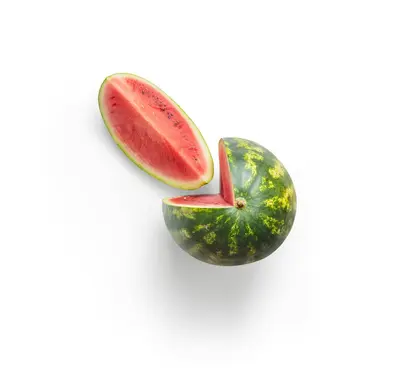
Compared to Elegance Salmon Rose, Elegance Watermelon's blooms are a shade darker. Elegance series is the first and most abundant to bloom in our trials. Developed for flowering under short days, low light conditions, and in cool greenhouses. Suitable for spring or midwinter production. Long stems bear 3-5 blooms. Formerly called Winter Elegance. Can be spelled either as sweet pea or sweetpea. Attracts hummingbirds.
Harvest
75-85d
Days to harvest
Sun
Full sun
Zones
2–11
USDA hardiness
Height
3-8 feet
Planting Timeline
Showing dates for Elegance Watermelon in USDA Zone 7
All Zone 7 flower →Zone Map
Click a state to update dates
Elegance Watermelon · Zones 2–11
Growing Details
Succession Planting
Sweet peas aren't a single-flush crop, but they don't reward the tight staggered schedule you'd use for lettuce or radishes either. Two focused sowings work better: one indoors in late February for an April transplant, and a second direct sow in early April to cover any gaps. Both rounds should finish blooming before daytime highs in zone 7 settle above 80°F — typically by late May. A third sowing into June is almost always a waste of seed.
For late-season color, start fresh seeds indoors in mid-August and transplant around mid-September. Sweet peas will bloom through October and into November in zone 7 once temperatures drop back into their range. Don't try to nurse summer plants through the heat hoping they'll rebound — cut them out and start clean for fall.
Complete Growing Guide
Elegance Watermelon thrives when started from seed indoors six to eight weeks before your last spring frost, or alternatively, sown directly outdoors as soon as soil can be worked in early spring. For winter production in cool greenhouses, sow seeds in late summer through early fall to take advantage of this variety's exceptional breeding for short-day, low-light conditions. Soak seeds in room-temperature water for 24 hours before planting to improve germination rates, then sow them half an inch deep in seed-starting mix.
Prepare beds with well-draining soil rich in organic matter, aiming for a pH between 6.0 and 7.5. Space plants 6 inches apart in rows, allowing adequate air circulation to prevent fungal issues. This variety will reach anywhere from 3 feet to 8 feet depending on growing conditions and support structures, so plan your spacing accordingly. Full sun exposure is essential for robust blooming, though Elegance Watermelon's proven performance under lower light conditions makes it more forgiving than many sweet pea varieties when greenhouse shade is unavoidable.
Water consistently and deeply, providing about one inch per week through drip irrigation or soaker hoses rather than overhead watering, which can encourage disease. Feed every two weeks with a balanced, water-soluble fertilizer once plants reach 6 inches tall, then switch to a lower-nitrogen formula once flowering begins to encourage more blooms rather than excessive foliage. Elegance Watermelon typically reaches harvest stage around 75 days from sowing.
This cultivar shows particular susceptibility to powdery mildew when humidity levels spike, especially in greenhouse settings where air circulation is limited. Watch for early signs of white coating on leaves and stems, and increase ventilation immediately if spotted. Thrips can also prove troublesome, causing silvered, stippled foliage and distorted flowers, so monitor plant health closely and consider reflective mulches as a preventive measure. Root rot becomes more likely in poorly draining soils, particularly during cool, wet springs.
Elegance Watermelon requires sturdy trellising or netting to support its tall, productive vines and long stem production. Install supports at planting time rather than after plants have become tangled. Pinching out the growing tip when plants reach 6 inches encourages branching and fuller flower production. Succession planting every two to three weeks extends the harvest window, particularly valuable since this variety's 75-day timeline makes it suitable for spring plantings through midsummer starts in cooler regions.
The most common mistake gardeners make with Elegance Watermelon is underestimating its need for consistent cool temperatures. While it tolerates warm days, this variety genuinely prefers nights below 60°F for optimal stem length and flower quality. In hot climates, afternoon shade cloth and consistent watering help compensate, but the variety truly shines in spring, fall, or winter production schedules where cool conditions are natural.
Harvesting
Elegance Watermelon reaches harvest at 75 - 85 days from sowing per Johnny's Selected Seeds. As an annual, harvest continues until frost ends the season.
Type: Legume.
Edibility: Sweet pea fruits are inedible and poisonous to humans.
Storage & Preservation
Elegance Watermelon cut flowers should be stored in a cool location away from direct sunlight, ideally in a refrigerator at 34-40°F with 80-90% humidity when not on display. For counter display, use cool rooms (60-65°F) and change water daily. Typical vase life is 7-10 days. Preservation methods include drying stems upside-down in a dark, well-ventilated space for dried flower arrangements; glycerin treatment for long-lasting preserved stems; and pressing individual blooms between parchment paper for botanical keepsakes or crafts.
History & Origin
Elegance Watermelon is open-pollinated, meaning seed saved from healthy plants will produce true-to-type offspring. Listed in the Johnny's Selected Seeds catalog.
Origin: Southern Italy, Sicily, Crete
Advantages
- +Blooms early and abundantly in Elegance series trials
- +Thrives in cool greenhouses with low light conditions
- +Produces long stems with 3-5 blooms per stem
- +Ideal for spring or midwinter greenhouse production
- +Attracts hummingbirds with watermelon-toned blooms
Considerations
- -Requires cool temperatures; struggles in warm climates
- -Needs 75-85 days to flower; not quick turnaround
- -Prefers specific short-day conditions for optimal performance
Companion Plants
Marigolds and nasturtiums pull real weight near sweet peas. French marigolds (Tagetes patula) deter aphids, which can colonize Lathyrus odoratus stems fast enough to deform new growth before you notice. Nasturtiums work as a trap crop — aphids prefer them and will cluster there instead of on the vines you're trying to get to bloom. Radishes interplanted at the base break up light soil compaction and are pulled well before sweet peas hit their 75-day mark. Sunflowers, if you've got them nearby, give the vines something tall to grab when your trellis situation is improvised.
Keep sweet peas away from fennel and tomatoes. Fennel releases compounds from its roots that suppress neighboring plants — it doesn't play well with anything you're serious about. Tomatoes are a different problem: they're heavy feeders that shade aggressively and will muscle out a vine that's already racing against the clock. In zone 7 Georgia, where the spring bloom window closes hard once June heat arrives, you can't afford that kind of competition.
Plant Together
Marigolds
Repel nematodes, aphids, and other harmful insects while attracting beneficial pollinators
Nasturtiums
Act as trap crops for aphids and cucumber beetles, protecting watermelon plants
Radishes
Help break up soil for watermelon roots and deter cucumber beetles and squash bugs
Corn
Provides natural windbreak and shade without competing for ground space
Beans
Fix nitrogen in soil, improving overall soil fertility for heavy-feeding watermelons
Sunflowers
Attract beneficial insects and provide natural support structure without root competition
Oregano
Repels ants, aphids, and cabbage moths while attracting beneficial pollinators
Catnip
Strongly repels ants, aphids, and flea beetles that can damage watermelon vines
Keep Apart
Black Walnut
Produces juglone toxin that severely inhibits watermelon growth and can kill plants
Fennel
Releases allelopathic compounds that stunt growth and reduce fruit production
Tomatoes
Compete for similar nutrients and space, both are heavy feeders that deplete soil
Troubleshooting Elegance Watermelon
What you'll see, why it happens, and what to do about it.
White powdery coating on leaves and stems, usually showing up mid-summer
Likely Causes
- Powdery mildew (Erysiphe polygoni) — a fungal disease that thrives in warm days with cool nights and poor airflow
- Planting too close together, blocking air circulation between vines
What to Do
- 1.Remove the worst-affected leaves and dispose of them in the trash, not the compost pile
- 2.Spray remaining foliage with a diluted baking soda solution (1 tablespoon per gallon of water) or a neem oil mix every 7-10 days
- 3.Give plants at least 12 inches of breathing room at planting time — this is mostly a preventive fix, but it'll slow spread on existing plants too
Flower buds dropping or failing to open, despite healthy-looking vines
Likely Causes
- Heat stress — sweet peas (Lathyrus odoratus) stop setting flowers reliably once daytime temps push past 80°F
- Inconsistent watering, which stresses the plant at bud formation stage
What to Do
- 1.Drape 30-40% shade cloth over the bed during afternoon heat — it can stretch the bloom window by two to three weeks
- 2.Water deeply and consistently at the root zone, at least 1 inch per week, not overhead
- 3.Plan your sow dates so the vines hit peak bloom before your last frost-free weeks warm past 80°F; in warm climates Elegance is a spring or fall crop, full stop
Seedlings collapsing at the soil line within the first two weeks after germination
Likely Causes
- Damping-off fungi (Pythium or Rhizoctonia) in soggy, poorly drained starting mix
- Overwatering indoors during the February-March indoor sow window
What to Do
- 1.Sow into a sterile seed-starting mix in trays with drainage holes — standing water kills sweet pea seedlings fast
- 2.Bottom-water the tray rather than pouring water over the top
- 3.If damping-off has already hit, pull and discard affected seedlings immediately and let the mix dry out for a day or two before watering again
Frequently Asked Questions
How long do Elegance Watermelon sweet pea flowers last in a vase?▼
Is Elegance Watermelon good for beginner flower growers?▼
Can I grow Elegance Watermelon sweet peas in containers?▼
When should I plant Elegance Watermelon sweet pea seeds?▼
What makes Elegance Watermelon different from other sweet pea varieties?▼
How many blooms does each stem produce?▼
Zone-by-Zone Planting Calendar
| Zone | Indoor Start | Transplant | Direct Sow | Harvest |
|---|---|---|---|---|
| Zone 1 | May – June | July – August | July – September | — |
| Zone 2 | April – May | June – July | June – August | — |
| Zone 11 | January – January | January – February | January – March | — |
| Zone 12 | January – January | January – February | January – March | — |
| Zone 13 | January – January | January – February | January – March | — |
| Zone 3 | April – May | June – July | June – August | — |
| Zone 4 | March – April | June – June | June – July | — |
| Zone 5 | March – April | May – June | May – July | — |
| Zone 6 | March – April | May – June | May – July | — |
| Zone 7 | February – March | April – May | April – June | — |
| Zone 8 | February – March | April – May | April – June | — |
| Zone 9 | January – February | March – April | March – May | — |
| Zone 10 | January – January | February – March | February – April | — |
Growing Guides from Wind River Greens
Sources & References
External authority sources used in compiling this guide.
- BreederJohnny's Selected Seeds
See the Methodology page for how this data is sourced, what's AI-assisted, and known limitations.