Starflower
Scabiosa stellata
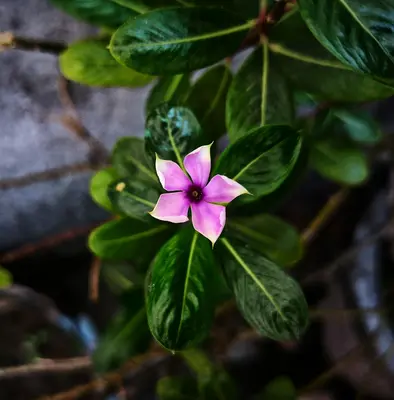
Small pale blue blossoms on wiry stems transform into highly decorative bronze-colored geometric and globe-shaped seed heads. Plants are grown primarily for the papery seed pods, which are useful for both fresh and dried bouquets. Also known as drumstick flower.
Harvest
90-95d
Days to harvest
Sun
Full sun
Zones
4–11
USDA hardiness
Height
2 ft. 0 in. - 3 ft. 0 in.
Planting Timeline
Showing dates for Starflower in USDA Zone 7
All Zone 7 flower →Zone Map
Click a state to update dates
Starflower · Zones 4–11
Growing Details
Succession Planting
Starflower is a warm-season annual grown primarily for its dried papery seed heads, and a single planting will keep producing cuttable material over several weeks — so one sowing is usually enough for a home garden. If you want a longer cutting window or are growing for market, two rounds spaced about 3 weeks apart work well. Start the first batch indoors in late February or early March, then direct sow a second into the bed in late April once soil temps are reliably above 60°F. The first planting will hit peak seed-head stage around 90–95 days; the second carries you through late summer.
Stop sowing by early June in zone 7. Germination drops off when daytime highs push past 85°F, and plants started in that heat tend to bolt to a single stem without branching much — you'll get less material per plant and the stems won't be as long or sturdy for cutting.
Complete Growing Guide
Small pale blue blossoms on wiry stems transform into highly decorative bronze-colored geometric and globe-shaped seed heads. Plants are grown primarily for the papery seed pods, which are useful for both fresh and dried bouquets. Also known as drumstick flower. According to Johnny's Selected Seeds, Starflower is 90 - 95 days to maturity, annual, open pollinated. Notable features: Use for Cut Flowers and Bouquets, Ideal for Drying and Crafts, Attracts Beneficial Insects.
Light: Full sun (6 or more hours of direct sunlight a day). Soil: High Organic Matter, Loam (Silt), Sand. Soil pH: Alkaline (>8.0), Neutral (6.0-8.0). Drainage: Good Drainage. Height: 2 ft. 0 in. - 3 ft. 0 in.. Spread: 0 ft. 9 in. - 1 ft. 0 in.. Spacing: Less than 12 inches. Growth rate: Medium. Maintenance: Low. Propagation: Seed. Regions: Coastal, Mountains, Piedmont.
Harvesting
Starflower reaches harvest at 90 - 95 days from sowing per Johnny's Selected Seeds. As an annual, harvest continues until frost ends the season.
Bloom time: Fall, Spring, Summer
Storage & Preservation
Fresh seed heads can be stored at room temperature (65-70°F) in a dry location with low humidity; they do not require refrigeration. Shelf life is 2-3 months when kept dry and away from direct sunlight. For preservation: (1) Air-dry bundles by hanging upside down in a cool, airy space for 2-3 weeks until completely papery and brittle; (2) Glycerin treatment by placing stems in a glycerin-water solution (1:2 ratio) for 1-2 weeks to retain color while preserving; (3) Silica gel drying for 7-10 days to preserve delicate seed head structure for arrangements.
History & Origin
Starflower is open-pollinated, meaning seed saved from healthy plants will produce true-to-type offspring. Listed in the Johnny's Selected Seeds catalog.
Origin: Southern Europe, Western Asia and Northern Africa
Advantages
- +Striking bronze seed heads provide long-lasting visual interest in arrangements
- +Dual-purpose plant yields beautiful flowers and decorative dried pods
- +Relatively easy to grow with minimal care requirements for gardeners
- +Extended harvest window allows fresh and dried bouquet creation
- +Wiry stems add natural texture and movement to floral designs
Considerations
- -Requires well-draining soil or plants may develop root rot issues
- -Seed heads need careful handling as they're fragile and break easily
- -Blooms are small and pale, offering limited fresh flower appeal
- -Takes 90-95 days to mature, requiring patience before harvesting pods
Companion Plants
Lavender and rosemary are the companions I'd plant closest to starflower, and the reasoning is practical: both share starflower's preference for lean soil and moderate water, so you won't find yourself overwatering one to keep the other alive. They also pull in the same long-tongued pollinators — bumblebees and solitary bees especially — that make Scabiosa stellata's papery drumstick heads worth cutting in the first place. Marigolds are worth adding nearby too. Tagetes root secretions suppress soil nematodes, which NC State Extension research has documented specifically, and their scent is credited with confusing aphids before they land — though that second claim is harder to pin down with certainty.
Sweet alyssum and calendula earn their spot as lower-growing edges around starflower's 2–3 ft. stems. Alyssum draws parasitic wasps that'll go after caterpillar pests in the surrounding bed, and calendula's sticky stems physically trap whiteflies and aphids. Neither will shade out starflower the way something taller might, which matters once plants hit full height.
The three to skip are black walnut, eucalyptus, and sunflowers. Black walnut produces juglone — a compound toxic to a wide range of ornamentals — through root exudates that can extend well beyond the tree's canopy. Eucalyptus has similar allelopathic chemistry and is best kept well away from any cutting garden. Sunflowers are the less alarming concern, but in our zone 7 Georgia garden they grow fast enough to drop significant shade over a starflower planting, and their decomposing leaves and roots release allelopathic compounds that suppress smaller neighbors. Put them on the opposite end of the property if you're growing both.
Plant Together
Lavender
Attracts beneficial pollinators and repels pests with strong fragrance
Marigolds
Natural pest deterrent, repels aphids and nematodes
Chives
Repels aphids and other soft-bodied insects while attracting beneficial predators
Nasturtiums
Acts as trap crop for aphids and cucumber beetles
Sweet Alyssum
Attracts beneficial insects like lacewings and parasitic wasps
Dill
Attracts beneficial insects and provides habitat for predatory insects
Calendula
Attracts pollinators and beneficial insects while repelling harmful pests
Rosemary
Strong aromatic oils repel various garden pests
Keep Apart
Black Walnut
Produces juglone toxin that inhibits growth of many plants
Eucalyptus
Allelopathic compounds suppress growth of nearby plants
Sunflowers
Allelopathic effects can inhibit germination and growth of smaller flowers
Troubleshooting Starflower
What you'll see, why it happens, and what to do about it.
Seedlings damping off at soil level — stems pinch to a thread and topple over within the first 2 weeks after germination
Likely Causes
- Pythium or Rhizoctonia fungal rot, both thriving in cold, wet, poorly-drained starting mix
- Overwatering combined with low airflow around seedling trays
What to Do
- 1.Water only when the top inch of mix is dry, and bottom-water when possible to keep the surface drier
- 2.Run a small fan near your trays for 1-2 hours a day to improve airflow
- 3.If it keeps happening, drench the mix once with a dilute hydrogen peroxide solution (1 part 3% H₂O₂ to 4 parts water) before resowing
Leaves developing small, circular powdery white patches by midsummer, spreading across the upper leaf surface
Likely Causes
- Powdery mildew (Erysiphe or Golovinomyces spp.) — common on Scabiosa in humid conditions with low airflow
- Crowded spacing under 18 inches that traps moisture between plants
What to Do
- 1.Thin or space plants to at least 18 inches so air moves through freely
- 2.Spray affected foliage with a dilute baking soda solution (1 tablespoon per gallon of water) or a neem oil mix every 7 days
- 3.Cut back the worst-affected stems at the base — the plant will branch and recover if you catch it before it spreads to more than a third of the foliage
Plants setting almost no blooms despite healthy foliage — lots of green, nothing opening by day 100
Likely Causes
- Too much nitrogen from a heavy compost application or synthetic fertilizer, pushing vegetative growth at the expense of flowering
- Insufficient sun — Scabiosa stellata wants 6+ hours of direct light and will sulk in partial shade
What to Do
- 1.Back off any fertilizer for the rest of the season; if you haven't side-dressed, don't start now
- 2.Move container plants to a sunnier spot, or note the bed for next year — a spot that gets fewer than 6 hours won't perform
- 3.Deadhead or cut any spent stems to signal the plant to produce more flower buds
Frequently Asked Questions
How long do Starflower seed heads last in dried arrangements?▼
Can you grow Starflower in containers?▼
Is Starflower a good choice for beginner gardeners?▼
When should I plant Starflower seeds?▼
How far apart should Starflower plants be spaced?▼
What makes Starflower seed heads suitable for floristry?▼
Zone-by-Zone Planting Calendar
| Zone | Indoor Start | Transplant | Direct Sow | Harvest |
|---|---|---|---|---|
| Zone 3 | April – May | June – July | June – August | — |
| Zone 4 | March – April | June – June | June – July | — |
| Zone 5 | March – April | May – June | May – July | — |
| Zone 6 | March – April | May – June | May – July | — |
| Zone 7 | February – March | April – May | April – June | — |
| Zone 8 | February – March | April – May | April – June | — |
| Zone 9 | January – February | March – April | March – May | — |
| Zone 10 | January – January | February – March | February – April | — |
| Zone 1 | May – June | July – August | July – September | — |
| Zone 2 | April – May | June – July | June – August | — |
| Zone 11 | January – January | January – February | January – March | — |
| Zone 12 | January – January | January – February | January – March | — |
| Zone 13 | January – January | January – February | January – March | — |
Growing Guides from Wind River Greens
Sources & References
External authority sources used in compiling this guide.
- BreederJohnny's Selected Seeds
See the Methodology page for how this data is sourced, what's AI-assisted, and known limitations.