Giant Dahlia Flowered Mix
Zinnia elegans
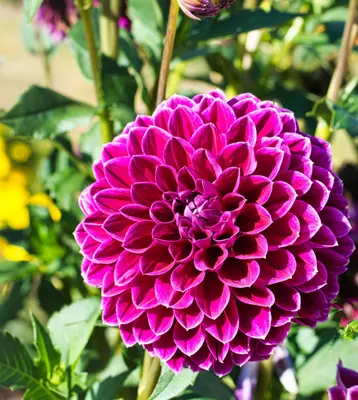
Wikimedia Commons via Zinnia elegans
Similar to Benary's Giant zinnias in color and plant habit, but produces 4-6" single, semidouble, and double flowers. By comparison, Benary's Giant produces consistently larger blooms that are fully double, on plants that are more robust. Cut-and-come-again flower, yielding multiple cuts over the season. Mix includes yellow shades, rose shades, scarlet, green, orange, pink, red, purple, and coral.
Harvest
75-90d
Days to harvest
Sun
Full sun
Zones
2–11
USDA hardiness
Height
0-3 feet
Planting Timeline
Showing dates for Giant Dahlia Flowered Mix in USDA Zone 7
All Zone 7 flower →Zone Map
Click a state to update dates
Giant Dahlia Flowered Mix · Zones 2–11
Growing Details
Succession Planting
Direct sow every 14-21 days from April through early June in zone 7; this gives you overlapping bloom flushes from mid-summer into frost. Stop sowing by late June — seeds started after that won't reach full bloom before a typical first frost in mid-October, and at 75-90 days to flower you'll be cutting it close. Deadhead or cut blooms every 3-4 days to keep plants producing rather than setting seed.
Complete Growing Guide
Similar to Benary's Giant zinnias in color and plant habit, but produces 4-6" single, semidouble, and double flowers. By comparison, Benary's Giant produces consistently larger blooms that are fully double, on plants that are more robust. Cut-and-come-again flower, yielding multiple cuts over the season. Mix includes yellow shades, rose shades, scarlet, green, orange, pink, red, purple, and coral. According to Johnny's Selected Seeds, Giant Dahlia Flowered Mix is 75 - 90 days to maturity, annual, open pollinated. Notable features: Use for Cut Flowers and Bouquets, Attracts Beneficial Insects.
Light: Full sun (6 or more hours of direct sunlight a day). Soil: High Organic Matter, Loam (Silt). Soil pH: Acid (<6.0), Alkaline (>8.0), Neutral (6.0-8.0). Drainage: Good Drainage, Occasionally Dry. Height: 0 ft. 6 in. - 3 ft. 0 in.. Spread: 0 ft. 8 in. - 1 ft. 0 in.. Spacing: 12 inches-3 feet. Growth rate: Rapid. Maintenance: Medium. Propagation: Seed. Regions: Coastal, Mountains, Piedmont.
Harvesting
Giant Dahlia Flowered Mix reaches harvest at 75 - 90 days from sowing per Johnny's Selected Seeds. Expect 4-6" at peak. As an annual, harvest continues until frost ends the season.
Type: Achene.
Storage & Preservation
Fresh cut flowers should be placed in clean vases filled with cool water immediately after cutting, kept in a cool room away from direct sunlight and ripening fruit. Store at 65-72°F with moderate humidity for maximum vase life of 7-14 days. Change water every 2-3 days and re-cut stems at an angle. Preservation methods: (1) Air dry by hanging bundles upside down in a well-ventilated, dark space for 2-3 weeks to create long-lasting dried arrangements. (2) Press individual blooms between paper in a heavy book for 2-4 weeks to preserve for crafts or framed displays. (3) Freeze in silica gel to retain color and shape for decorative purposes.
History & Origin
Giant Dahlia Flowered Mix is open-pollinated, meaning seed saved from healthy plants will produce true-to-type offspring. Listed in the Johnny's Selected Seeds catalog.
Origin: Mexico
Advantages
- +Produces abundant 4-6" flowers in semi-double and double forms
- +Wide color range includes yellow, rose, scarlet, green, orange, pink, red, purple, coral
- +Cut-and-come-again variety yields multiple harvests throughout growing season
- +Reasonably quick maturity at 75-90 days from planting
- +Easy to grow with minimal skill required for success
Considerations
- -Smaller and less consistent blooms compared to Benary's Giant zinnias
- -Plants less robust than Benary's Giant, potentially requiring staking support
- -Flower size and form variable within mix due to semi-double genetics
- -Susceptible to powdery mildew in humid conditions without good air circulation
Companion Plants
Marigolds and Sweet Alyssum are the two worth prioritizing near zinnias. Tagetes patula repels aphids and whiteflies through scent, and since Giant Dahlias bloom right through peak summer pest pressure, a row of marigolds every 2-3 feet takes some of that load off. Sweet Alyssum draws parasitic wasps and hoverflies — both prey on aphids and thrips — and it stays low enough that it doesn't shade out the base of your zinnia stems. Nasturtiums are worth including too: they function as a trap crop, pulling aphid colonies onto themselves so you can pinch off infested growth in one place rather than hunting across your whole bed.
Black Walnut is the companion to avoid at all costs. Its roots release juglone, a chemical compound that disrupts cellular respiration in nearby plants — zinnia sensitivity isn't as well-documented as it is for tomatoes, but the compound doesn't discriminate much, and planting within the drip line is a gamble not worth taking. Fennel secretes allelopathic compounds from its roots and foliage that stunt most annuals planted within a few feet, so it's best kept entirely separate rather than mixed into any flower bed.
Plant Together
Marigolds
Repel aphids, whiteflies, and nematodes while attracting beneficial insects
Nasturtiums
Act as trap crops for aphids and cucumber beetles, drawing pests away from dahlias
Cosmos
Attract beneficial insects and pollinators while providing similar growing conditions
Zinnia
Attract ladybugs and other beneficial insects that control dahlia pests
Sunflowers
Provide wind protection and attract beneficial birds that eat pest insects
Sweet Alyssum
Attracts hoverflies and parasitic wasps that control aphids on dahlias
Lavender
Repels moths, fleas, and other pests while attracting beneficial pollinators
Chives
Repel aphids and thrips with their sulfur compounds
Keep Apart
Black Walnut
Produces juglone toxin that inhibits dahlia growth and can cause wilting
Fennel
Releases allelopathic compounds that stunt dahlia growth and development
Eucalyptus
Root secretions are toxic to many flowering plants including dahlias
Pests & Disease Resistance
Common Pests
Spider mites, aphids, whiteflies, thrips
Diseases
Powdery mildew, leaf spot, stem rot in humid conditions
Troubleshooting Giant Dahlia Flowered Mix
What you'll see, why it happens, and what to do about it.
White powdery coating on upper leaf surfaces, usually showing up mid-summer when nights cool down
Likely Causes
- Powdery mildew (Erysiphe cichoracearum) — fungal spores spread by wind, thrives when days are warm and nights dip below 65°F
- Poor airflow from crowded planting or positioning against a fence
What to Do
- 1.Pull and trash any heavily infected leaves — don't compost them
- 2.Thin plants to at least 18 inches apart if you haven't already; airflow is your best preventive tool
- 3.Spray foliage with a diluted neem oil solution (2 tsp neem per quart of water) every 7 days until symptoms stop spreading
Stippled, bronzed leaves — almost sandpapery to the touch — with fine webbing on the undersides during hot, dry stretches
Likely Causes
- Two-spotted spider mites (Tetranychus urticae) — populations explode when temperatures stay above 85°F and humidity drops
- Dusty conditions or drought stress, which weaken plant defenses and invite mite colonies to take hold
What to Do
- 1.Hit the undersides of leaves with a strong spray of plain water every 2-3 days — mites hate moisture and it physically dislodges them
- 2.Introduce predatory mites (Phytoseiulus persimilis) if you're seeing two-spotted mites across multiple beds
- 3.As a last resort, apply insecticidal soap directly to infested foliage, coating undersides thoroughly; repeat every 5-7 days
Frequently Asked Questions
How long do Giant Dahlia Flowered Mix flowers last in a vase?▼
Is Giant Dahlia Flowered Mix good for beginners?▼
Can you grow Giant Dahlia Flowered Mix in containers?▼
When should I plant Giant Dahlia Flowered Mix seeds?▼
What colors are in the Giant Dahlia Flowered Mix?▼
How is Giant Dahlia Flowered Mix different from Benary's Giant zinnias?▼
Zone-by-Zone Planting Calendar
| Zone | Indoor Start | Transplant | Direct Sow | Harvest |
|---|---|---|---|---|
| Zone 1 | May – June | July – August | July – September | — |
| Zone 2 | April – May | June – July | June – August | — |
| Zone 11 | January – January | January – February | January – March | — |
| Zone 12 | January – January | January – February | January – March | — |
| Zone 13 | January – January | January – February | January – March | — |
| Zone 3 | April – May | June – July | June – August | — |
| Zone 4 | March – April | June – June | June – July | — |
| Zone 5 | March – April | May – June | May – July | — |
| Zone 6 | March – April | May – June | May – July | — |
| Zone 7 | February – March | April – May | April – June | — |
| Zone 8 | February – March | April – May | April – June | — |
| Zone 9 | January – February | March – April | March – May | — |
| Zone 10 | January – January | February – March | February – April | — |
Growing Guides from Wind River Greens
Sources & References
External authority sources used in compiling this guide.
- BreederJohnny's Selected Seeds
See the Methodology page for how this data is sourced, what's AI-assisted, and known limitations.