Chief Mix
Celosia argentea cristata
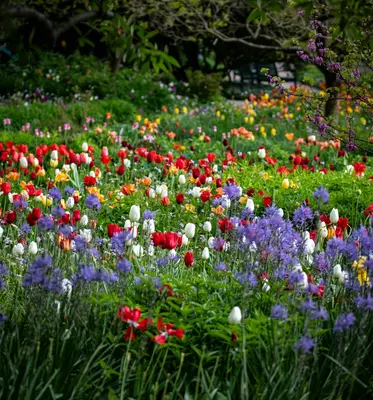
Sturdy plants with strong stems. Colors include: gold, rose, persimmon, and red shades. Great fresh or dried. Also known as cockscomb and crested cock's comb. Also available in individual colors.
Harvest
90-120d
Days to harvest
Sun
Full sun
Zones
10–11
USDA hardiness
Height
9-18 inches
Planting Timeline
Showing dates for Chief Mix in USDA Zone 7
All Zone 7 flower →Zone Map
Click a state to update dates
Chief Mix · Zones 10–11
Growing Details
Complete Growing Guide
Sturdy plants with strong stems. Colors include: gold, rose, persimmon, and red shades. Great fresh or dried. Also known as cockscomb and crested cock's comb. Also available in individual colors. According to Johnny's Selected Seeds, Chief Mix is 90 - 120 days to maturity, annual, open pollinated. Notable features: Use for Cut Flowers and Bouquets, Ideal for Drying and Crafts.
Light: Full sun (6 or more hours of direct sunlight a day). Soil: High Organic Matter, Loam (Silt), Sand. Soil pH: Neutral (6.0-8.0). Drainage: Good Drainage, Occasionally Dry. Height: 0 ft. 9 in. - 1 ft. 6 in.. Spread: 0 ft. 9 in. - 1 ft. 0 in.. Spacing: 12 inches-3 feet. Growth rate: Rapid. Maintenance: Low. Propagation: Seed. Regions: Coastal, Piedmont.
Harvesting
Chief Mix reaches harvest at 90 - 120 days from sowing per Johnny's Selected Seeds. As an annual, harvest continues until frost ends the season.
Smooth, glossy, shiny capsule contain many seeds
Color: Black. Type: Capsule.
Edibility: The leaves and young shoots are cooked and used in soups and stews. The seeds yield edible oil.
Storage & Preservation
Fresh cockscomb flowers are best displayed immediately in a cool room at 65-72°F with moderate humidity. They have a shelf life of 7-14 days in a vase with fresh water. For preservation, hang-dry bundles upside down in a dark, well-ventilated space for 2-3 weeks to retain color and texture—ideal for dried arrangements. Alternatively, press flowers between parchment paper under weight for 3-4 weeks to create flat specimens for crafts. Silica gel drying preserves vibrant colors within 5-7 days, making them perfect for long-term decorative storage.
History & Origin
Chief Mix is open-pollinated, meaning seed saved from healthy plants will produce true-to-type offspring. Listed in the Johnny's Selected Seeds catalog.
Origin: Tropical Africa
Advantages
- +Sturdy stems support blooms without staking or support structures
- +Vibrant gold, rose, persimmon, and red colors create striking garden displays
- +Versatile for both fresh arrangements and dried flower preservation
- +Extended bloom period of 90-120 days provides long-season color
- +Easy growing difficulty makes it suitable for beginner gardeners
Considerations
- -Prefers well-draining soil and struggles in heavy clay conditions
- -Susceptible to root rot if overwatered or planted in wet sites
- -May require deadheading to encourage continuous blooming throughout season
Companion Plants
Marigolds (especially Tagetes patula) and nasturtiums pull real pest-management weight next to Chief Mix — both emit volatile compounds that confuse and deter whiteflies and aphids, two insects that will set up on celosia crests fast in warm weather. Alyssum fills in underneath by drawing parasitic wasps (Braconidae family) that parasitize those same aphid colonies. Zinnias and cosmos are low-drama neighbors: similar heat tolerance, comparable water needs, and shallow enough roots that they're not fighting the celosia for the same soil column. Black walnut is the one to keep far off the list — juglone, the allelopathic compound walnut roots and hulls release, suppresses a broad range of annuals, and celosia shows the same sensitivity as most.
Plant Together
Marigolds
Repel aphids, whiteflies, and nematodes while attracting beneficial insects
Alyssum
Attracts beneficial insects like hoverflies and parasitic wasps
Nasturtiums
Act as trap crops for aphids and cucumber beetles
Zinnia
Attracts pollinators and beneficial predatory insects
Cosmos
Draws beneficial insects and provides structural support
Lavender
Repels moths, fleas, and mosquitoes with its aromatic oils
Sunflowers
Provide natural wind protection and attract pollinators
Petunias
Repel aphids, tomato hornworms, and squash bugs
Keep Apart
Black Walnut
Produces juglone toxin that inhibits growth of many flowering plants
Eucalyptus
Releases allelopathic compounds that suppress nearby plant growth
Fennel
Inhibits growth of most garden plants through allelopathy
Pests & Disease Resistance
Common Pests
Spider mites, whiteflies, aphids
Diseases
Root rot, leaf spot, powdery mildew
Troubleshooting Chief Mix
What you'll see, why it happens, and what to do about it.
Fine webbing on undersides of leaves, with stippled or bronzed foliage — usually shows up during hot, dry spells
Likely Causes
- Two-spotted spider mite (Tetranychus urticae) — population explodes when temps stay above 85°F and humidity drops
- Water-stressed plants that haven't been watered consistently
What to Do
- 1.Blast the undersides of leaves with a strong stream of water every 2-3 days to knock mites off
- 2.Apply insecticidal soap or neem oil to undersides of leaves in the evening — repeat every 5-7 days for 3 applications
- 3.Keep soil consistently moist; drought stress makes plants more vulnerable and mite populations worse
White powdery coating on upper leaf surfaces, usually starting mid-season when nights cool down
Likely Causes
- Powdery mildew (Erysiphe cichoracearum or similar) — airborne fungal spores that thrive when daytime temps sit around 70-80°F with cool nights
- Crowded plants with poor airflow between them
What to Do
- 1.Space plants at least 12 inches apart — 18 is better in a humid spot
- 2.Remove and trash (don't compost) any heavily coated leaves
- 3.Spray with a potassium bicarbonate solution or diluted neem oil weekly; it won't reverse existing damage but slows spread
Stems turning brown and mushy at the soil line; plant collapses suddenly, sometimes overnight
Likely Causes
- Root rot caused by Pythium or Rhizoctonia species — both thrive in waterlogged, poorly drained soil
- Overwatering or planting in a low spot that holds standing water after rain
What to Do
- 1.Pull the affected plant — there's no saving it once the stem goes soft
- 2.Work several inches of compost into the bed before replanting, or raise the bed 4-6 inches to improve drainage
- 3.Let the soil surface dry out between waterings; celosia wants consistent moisture, not constantly wet roots
Frequently Asked Questions
How long do Chief Mix cockscomb flowers last after cutting?▼
Can you grow Chief Mix cockscomb in containers?▼
Is Chief Mix cockscomb good for beginner gardeners?▼
When should I plant Chief Mix cockscomb seeds?▼
What are the colors available in Chief Mix?▼
Are Chief Mix cockscomb flowers good for drying and crafts?▼
Zone-by-Zone Planting Calendar
| Zone | Indoor Start | Transplant | Direct Sow | Harvest |
|---|---|---|---|---|
| Zone 1 | May – June | July – August | July – September | — |
| Zone 2 | April – May | June – July | June – August | — |
| Zone 11 | January – January | January – February | January – March | — |
| Zone 12 | January – January | January – February | January – March | — |
| Zone 13 | January – January | January – February | January – March | — |
| Zone 3 | April – May | June – July | June – August | — |
| Zone 4 | March – April | June – June | June – July | — |
| Zone 5 | March – April | May – June | May – July | — |
| Zone 6 | March – April | May – June | May – July | — |
| Zone 7 | February – March | April – May | April – June | — |
| Zone 8 | February – March | April – May | April – June | — |
| Zone 9 | January – February | March – April | March – May | — |
| Zone 10 | January – January | February – March | February – April | — |
Growing Guides from Wind River Greens
Sources & References
External authority sources used in compiling this guide.
- BreederJohnny's Selected Seeds
See the Methodology page for how this data is sourced, what's AI-assisted, and known limitations.