Fata Morgana
Scabiosa atropurpurea
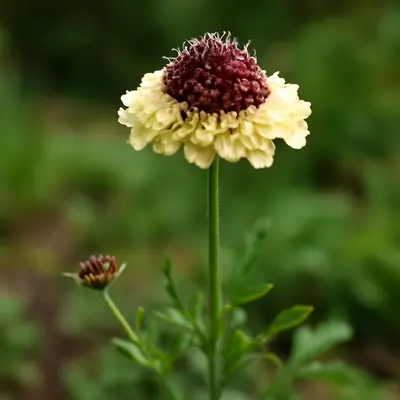
Fata Morgana produces 1 1/2-2 1/2", soft creamy apricot blooms atop tall, strong, and slender stems. The color adds a vintage look to mixed bouquets. In the garden, it serves as an attractant for bees and butterflies. Also known as mourning bride.
Harvest
90-100d
Days to harvest
Sun
Full sun
Zones
4–11
USDA hardiness
Height
2-3 feet
Planting Timeline
Showing dates for Fata Morgana in USDA Zone 7
All Zone 7 flower →Zone Map
Click a state to update dates
Fata Morgana · Zones 4–11
Growing Details
Succession Planting
Fata Morgana blooms over a long window — roughly 90–100 days from seed — but a single sowing will eventually exhaust itself, especially once summer heat peaks. Start your first batch indoors in late February, then direct sow a second round in mid-April and a third in late May. That gives you overlapping bloom flushes from early summer through early fall. Stop direct sowing once daytime highs are consistently above 85°F; germination drops off sharply and late transplants tend to bolt without setting many flowers.
In cooler zones (5–6), the window is narrower — one indoor start in March and one direct sow in late April is usually enough to carry you through the season. In zones 9–10, flip the calendar entirely: sow in fall for winter and early spring bloom, since midsummer temperatures are too brutal for scabiosa to do much of anything useful.
Complete Growing Guide
Fata Morgana produces 1 1/2-2 1/2", soft creamy apricot blooms atop tall, strong, and slender stems. The color adds a vintage look to mixed bouquets. In the garden, it serves as an attractant for bees and butterflies. Also known as mourning bride. According to Johnny's Selected Seeds, Fata Morgana is 90 - 100 days to maturity, annual, open pollinated. Notable features: Cold Tolerant, Use for Cut Flowers and Bouquets, Attracts Beneficial Insects.
Light: Full sun (6 or more hours of direct sunlight a day). Soil: High Organic Matter, Loam (Silt), Sand. Soil pH: Alkaline (>8.0), Neutral (6.0-8.0). Drainage: Good Drainage. Height: 2 ft. 0 in. - 3 ft. 0 in.. Spread: 0 ft. 9 in. - 1 ft. 0 in.. Spacing: Less than 12 inches. Growth rate: Medium. Maintenance: Low. Propagation: Seed. Regions: Coastal, Mountains, Piedmont.
Harvesting
Fata Morgana reaches harvest at 90 - 100 days from sowing per Johnny's Selected Seeds. Expect 1 1/2-2 1/2" at peak. As an annual, harvest continues until frost ends the season.
Bloom time: Fall, Spring, Summer
Storage & Preservation
For fresh Fata Morgana blooms, place stems in a clean vase with cool water and floral preservative immediately after cutting. Store in a cool location (65-72°F) away from direct sunlight and ripening fruit. Blooms typically last 7-10 days. For preservation: (1) Air-dry bundles upside-down in a cool, dark, well-ventilated area for 2-3 weeks to create long-lasting dried arrangements; (2) Press individual blooms between parchment paper under heavy weights for 1-2 weeks for crafts and framing; (3) Freeze-dry or use silica gel for color retention in decorative applications.
History & Origin
Fata Morgana is open-pollinated, meaning seed saved from healthy plants will produce true-to-type offspring. Listed in the Johnny's Selected Seeds catalog.
Origin: Southern Europe, Western Asia and Northern Africa
Advantages
- +Soft creamy apricot color brings vintage charm to mixed bouquets
- +Tall strong stems eliminate need for supports or staking
- +Attracts bees and butterflies making it excellent for pollinators
- +Easy to grow requiring minimal experience or specialized care
- +Long bloom window of 90-100 days provides extended garden color
Considerations
- -Flowers may fade or become less vibrant in intense heat
- -Susceptible to powdery mildew in humid or overcrowded conditions
- -Requires consistent deadheading to maintain continuous blooming throughout season
Companion Plants
Marigolds and nasturtiums earn their spot right next to Fata Morgana. Tagetes patula specifically — the French marigold — emits thiophenes from its roots that suppress soil nematodes and its scent confuses aphids that would otherwise zero in on scabiosa stems. Nasturtiums act as a trap crop, pulling those same aphids onto themselves instead. Sweet alyssum and catmint both attract hoverflies and parasitic wasps that work through aphid and whitefly populations without you having to do much; they also stay shallow-rooted, so at 12–18 inch spacing there's no serious competition for water.
Black walnut is the one to plant nowhere near anything you care about — juglone leaches from its roots across a wide area and Scabiosa atropurpurea is sensitive enough that wilting and stunting can show up before you even connect the cause. Fennel suppresses most neighboring plants through allelopathic root exudates and tends to crowd out low-to-medium growers; keep it isolated in its own corner. Eucalyptus drops growth-inhibiting compounds through both roots and decomposing leaf litter, so scabiosa planted under or near its canopy will underperform without any obvious explanation.
Plant Together
Marigolds
Repel nematodes and aphids while attracting beneficial insects
Lavender
Deters pests with strong fragrance and attracts pollinators
Nasturtiums
Act as trap crop for aphids and cucumber beetles
Sweet Alyssum
Attracts beneficial insects like lacewings and hover flies
Catmint
Repels ants, aphids, and rodents while attracting bees
Petunias
Natural pest deterrent against aphids, tomato hornworms, and squash bugs
Chives
Repel aphids and other soft-bodied insects with sulfur compounds
Cosmos
Attract beneficial predatory insects and improve soil structure
Keep Apart
Black Walnut
Produces juglone toxin that inhibits growth of many flowering plants
Eucalyptus
Allelopathic oils suppress growth of nearby plants
Fennel
Inhibits growth of most garden plants through allelopathic compounds
Pests & Disease Resistance
Diseases
Powdery mildew, gray mold (Botrytis)
Troubleshooting Fata Morgana
What you'll see, why it happens, and what to do about it.
White powdery coating on leaves and stems, usually appearing first on upper leaf surfaces mid-season
Likely Causes
- Powdery mildew (Erysiphe cichoracearum or similar) — favored by warm days, cool nights, and poor airflow
- Overcrowded planting at less than 12 inches apart
What to Do
- 1.Remove the worst-affected leaves and bin them — don't compost
- 2.Thin or space plants so air can move through; 15–18 inches is better than the minimum
- 3.Spray with a diluted potassium bicarbonate solution (1 tablespoon per gallon) every 7–10 days until symptoms stop spreading
Soft brown rot on flower stems and buds, often with a gray fuzzy coating, especially after a stretch of wet weather
Likely Causes
- Gray mold (Botrytis cinerea) — thrives in cool, humid conditions above 60% relative humidity
- Spent blooms left on the plant that give Botrytis a foothold
What to Do
- 1.Deadhead aggressively — cut spent flowers off at the stem junction every 3–4 days during wet spells
- 2.Water at the base, not overhead, and water in the morning so foliage dries before evening
- 3.Pull and trash any stem showing active rot; it won't recover and it'll spread
Spindly stems flopping over, few flower buds forming, 60–70 days after transplant
Likely Causes
- Insufficient direct sun — Scabiosa needs a genuine 6+ hours; partial shade pushes all energy into stem length
- Overly rich soil or excess nitrogen fertilizer, which drives leaf growth at the expense of blooms
What to Do
- 1.Move container-grown plants to the sunniest spot available; in-ground plants in shade won't improve — note the location for next season
- 2.Stop any nitrogen-heavy feeding; side-dress lightly with a low-nitrogen fertilizer (something like 5-10-10) to push flowering
- 3.Install a simple stake-and-twine support now to keep stems upright while the plant catches up
Frequently Asked Questions
How long do Fata Morgana flowers last in a vase?▼
Is Fata Morgana easy to grow as a beginner?▼
Can Fata Morgana be grown in containers?▼
When should I plant Fata Morgana seeds?▼
What makes Fata Morgana unique among flower varieties?▼
How far apart should I space Fata Morgana plants?▼
Zone-by-Zone Planting Calendar
| Zone | Indoor Start | Transplant | Direct Sow | Harvest |
|---|---|---|---|---|
| Zone 1 | May – June | July – August | July – September | — |
| Zone 2 | April – May | June – July | June – August | — |
| Zone 11 | January – January | January – February | January – March | — |
| Zone 12 | January – January | January – February | January – March | — |
| Zone 13 | January – January | January – February | January – March | — |
| Zone 3 | April – May | June – July | June – August | — |
| Zone 4 | March – April | June – June | June – July | — |
| Zone 5 | March – April | May – June | May – July | — |
| Zone 6 | March – April | May – June | May – July | — |
| Zone 7 | February – March | April – May | April – June | — |
| Zone 8 | February – March | April – May | April – June | — |
| Zone 9 | January – February | March – April | March – May | — |
| Zone 10 | January – January | February – March | February – April | — |
Growing Guides from Wind River Greens
Sources & References
External authority sources used in compiling this guide.
- BreederJohnny's Selected Seeds
See the Methodology page for how this data is sourced, what's AI-assisted, and known limitations.