Lemon Gem
Tagetes tenuifolia
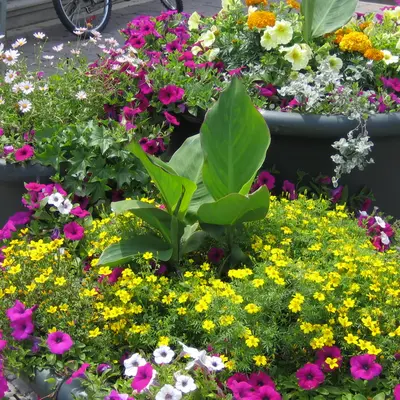
Hundreds of petite, citrus-scented flowers cover neat, low mounds of lacy foliage. Long-blooming for beds, borders and containers where it attracts beneficial insects such as hoverflies. Leaves of the plant are edible and are used as flavorful salad greens and garnish. Also known as signet marigold.Edible Flowers: Use the flowers to dress up salads and desserts or cooked in egg or rice dishes. Flavor is floral with hints of citrus and spice, and slightly bitter. Remove the petals from the flower base before consuming as the base can be quite bitter.
Harvest
60d
Days to harvest
Sun
Full sun
Zones
2–11
USDA hardiness
Height
8-30 inches
Planting Timeline
Showing dates for Lemon Gem in USDA Zone 7
All Zone 7 flower →Zone Map
Click a state to update dates
Lemon Gem · Zones 2–11
Growing Details
Succession Planting
Lemon Gem blooms continuously from first flower until frost kills it — it doesn't exhaust itself the way a lettuce or radish does, so a single sowing covers the whole season. That said, if you want staggered coverage across multiple beds, start a tray indoors in February, then direct sow a second batch outdoors in April once soil temps reach 60°F. You'll have transplant-ready plants going in early and a second wave of seedlings coming up 6–8 weeks behind them, useful insurance if a late spring storm flattens the first flush. Beyond that two-wave approach, one good planting is enough.
Complete Growing Guide
Light: Full sun (6 or more hours of direct sunlight a day). Soil: Clay, High Organic Matter, Loam (Silt), Sand. Soil pH: Acid (<6.0), Neutral (6.0-8.0). Drainage: Good Drainage, Moist, Occasionally Dry. Height: 0 ft. 8 in. - 2 ft. 6 in.. Spread: 0 ft. 9 in. - 2 ft. 6 in.. Spacing: Less than 12 inches, 12 inches-3 feet. Growth rate: Medium. Maintenance: Low. Propagation: Seed. Regions: Coastal, Mountains, Piedmont.
Harvesting
Tufted seeds
Color: Black. Type: Achene.
Harvest time: Fall
Edibility: The flowers of some cultivars have a pleasant citrus-like flavour and can be used sparingly as a flavouring or as a garnish.
Storage & Preservation
Fresh Lemon Gem flowers are best stored in the refrigerator at 35-40°F with moderate humidity, placed loosely in a breathable container or paper towel-lined box to prevent moisture buildup. They'll keep for 3-5 days when refrigerated. For preservation, dry flowers by hanging bundles upside down in a cool, dark, well-ventilated space for 1-2 weeks, then store in airtight containers away from light. Alternatively, freeze individual petals in ice cube trays with water for decorative use in beverages, or infuse petals into honey or herbal tea for extended storage up to several months.
History & Origin
Origin: Mexico, Central America, Columbia, Peru
Advantages
- +Attracts: Bees, Butterflies, Songbirds
- +Edible: The flowers of some cultivars have a pleasant citrus-like flavour and can be used sparingly as a flavouring or as a garnish.
- +Low maintenance
Considerations
- -Toxic (Flowers, Roots, Sap/Juice): Low severity
- -Causes contact dermatitis
Companion Plants
Lemon Gem pulls its weight in the vegetable garden mostly by confusing pests before they land. Planted as a border around tomatoes and peppers, the citrus-scented foliage masks the host-plant odors that aphids and whiteflies use to zero in on their targets. Tagetes tenuifolia produces terpene compounds in its leaves and stems — not just the roots, the way French marigolds (T. patula) suppress nematodes — so the above-ground interference is genuinely stronger with this species than with the big pom-pom types. In our zone 7 Georgia garden, I run a row along the south edge of the tomato beds starting in late April; they're blooming by late June right when whitefly pressure picks up. Basil alongside it compounds the effect: stacking aromatic plants makes it that much harder for pests to lock onto a single scent signature.
Beans and cabbage are the two to keep in separate beds. Some allelopathic suppression has been observed between legumes and Tagetes — the mechanism isn't fully pinned down, but bush beans in particular seem to stunt marigold growth enough that the pairing isn't worth it. Cabbage family crops (Brassica oleracea and relatives) pull in their own pest guild — cabbage loopers, imported cabbageworms — that you don't want anywhere near the flowers you're running as a pest-confusion border.
Plant Together
Basil
Repels aphids, whiteflies, and thrips that commonly attack marigolds
Tomatoes
Marigolds repel nematodes and tomato hornworms while improving tomato flavor
Peppers
Marigolds deter aphids and flea beetles that damage pepper plants
Nasturtiums
Both attract beneficial insects and serve as trap crops for aphids
Zinnias
Create pollinator habitat together and have similar growing requirements
Cucumbers
Marigolds repel cucumber beetles and squash bugs
Lettuce
Provides ground cover while marigolds deter aphids and leaf miners
Roses
Marigolds repel aphids, nematodes, and may reduce black spot disease
Keep Apart
Beans
Marigolds can inhibit bean growth and nitrogen fixation through root secretions
Cabbage
Marigold compounds may stunt brassica growth and development
Sunflowers
Compete for similar nutrients and sunflowers may shade out lower-growing marigolds
Pests & Disease Resistance
Common Pests
Spider mites, aphids, whiteflies
Diseases
Powdery mildew, root rot if overwatered
Troubleshooting Lemon Gem
What you'll see, why it happens, and what to do about it.
Fine webbing on undersides of leaves, foliage looking dusty or stippled, plants losing vigor in hot dry stretches
Likely Causes
- Two-spotted spider mite (Tetranychus urticae) — thrives when temps push above 85°F and humidity drops
- Overhead watering skipped too long during summer drought
What to Do
- 1.Blast the undersides of leaves with a strong stream of water three days in a row — it physically knocks mite populations down fast
- 2.Apply insecticidal soap or neem oil in the early morning (not midday — you'll burn the foliage)
- 3.Keep plants spaced at least 12 inches apart so air moves through; crowded plants stress faster and mites spread quicker
White powdery coating on upper leaf surfaces, starting on older inner leaves, usually appearing in late summer
Likely Causes
- Powdery mildew (Golovinomyces cichoracearum or related species) — common when nights cool below 65°F but days stay warm, typically August into September
- Poor airflow from dense planting or proximity to a fence or wall
What to Do
- 1.Remove and trash (don't compost) affected leaves as soon as you see the coating — slows spread considerably
- 2.Spray with a diluted baking soda solution (1 tablespoon per gallon of water) or a potassium bicarbonate product weekly
- 3.At end of season, pull and dispose of the whole plant — don't leave infected material to overwinter in the bed
Frequently Asked Questions
How long does it take for Lemon Gem to bloom?▼
Is Lemon Gem marigold good for beginners?▼
Can you grow Lemon Gem in containers?▼
What does Lemon Gem taste like?▼
When should I plant Lemon Gem seeds?▼
How does Lemon Gem attract beneficial insects?▼
Zone-by-Zone Planting Calendar
| Zone | Indoor Start | Transplant | Direct Sow | Harvest |
|---|---|---|---|---|
| Zone 3 | April – May | June – July | June – August | — |
| Zone 4 | March – April | June – June | June – July | — |
| Zone 5 | March – April | May – June | May – July | — |
| Zone 6 | March – April | May – June | May – July | — |
| Zone 7 | February – March | April – May | April – June | — |
| Zone 8 | February – March | April – May | April – June | — |
| Zone 9 | January – February | March – April | March – May | — |
| Zone 10 | January – January | February – March | February – April | — |
| Zone 1 | May – June | July – August | July – September | — |
| Zone 2 | April – May | June – July | June – August | — |
| Zone 11 | January – January | January – February | January – March | — |
| Zone 12 | January – January | January – February | January – March | — |
| Zone 13 | January – January | January – February | January – March | — |
Growing Guides from Wind River Greens
Sources & References
External authority sources used in compiling this guide.
- BreederJohnny's Selected Seeds
See the Methodology page for how this data is sourced, what's AI-assisted, and known limitations.