Benary's Giant Lime
Zinnia elegans
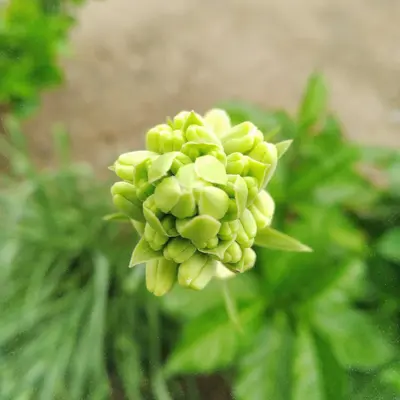
Benary's Giant Lime is a vibrant lime-green flowering variety prized for its large, fully double blooms that create stunning visual impact in gardens. Reaching maturity in 75-90 days, this heirloom cultivar produces abundant flowers with a striking chartreuse hue, setting it apart from traditional flower colors. The massive flower heads make it an exceptional choice for bold landscape displays and cut flower arrangements. Best grown in full sun with well-draining, fertile soil for optimal blooming.
Harvest
75-90d
Days to harvest
Sun
Full sun
Zones
2–11
USDA hardiness
Height
0-3 feet
Planting Timeline
Showing dates for Benary's Giant Lime in USDA Zone 7
All Zone 7 flower →Zone Map
Click a state to update dates
Benary's Giant Lime · Zones 2–11
Growing Details
Succession Planting
Start seeds indoors 4–6 weeks before your last frost date, or direct sow after soil temps reach 70°F — germination stalls below that. In zone 7, direct sowing runs from April through early June. A second sowing 3–4 weeks after the first keeps fresh blooms coming through summer, since the initial planting tends to peak and fade by late July.
Don't push past late June for new sowings. Seeds started after that won't hit the 75–90 day mark before fall frost, and seedlings that germinate in July heat rarely develop the same stem strength as ones that got established in cooler spring soil.
Complete Growing Guide
Recommended by the Association of Specialty Cut Flower Growers. High yields of long, sturdy stems with 4-6" fully double, dahlia-like blooms. Excellent vase life. Vigorous plants hold up well in summer heat and rain. Low susceptibility to powdery mildew. Cut-and-come-again flower, yielding multiple cuts over the season. According to Johnny's Selected Seeds, Benary's Giant Lime is 75 - 90 days to maturity, annual, open pollinated. Notable features: Use for Cut Flowers and Bouquets.
Light: Full sun (6 or more hours of direct sunlight a day). Soil: High Organic Matter, Loam (Silt). Soil pH: Acid (<6.0), Alkaline (>8.0), Neutral (6.0-8.0). Drainage: Good Drainage, Occasionally Dry. Height: 0 ft. 6 in. - 3 ft. 0 in.. Spread: 0 ft. 8 in. - 1 ft. 0 in.. Spacing: 12 inches-3 feet. Growth rate: Rapid. Maintenance: Medium. Propagation: Seed. Regions: Coastal, Mountains, Piedmont.
Harvesting
Benary's Giant Lime reaches harvest at 75 - 90 days from sowing per Johnny's Selected Seeds. Expect 4-6" at peak. As an annual, harvest continues until frost ends the season.
Type: Achene.
Storage & Preservation
Store freshly cut stems in a clean vase with cool water (65-72°F) on a cool counter or in a refrigerator at 34-40°F for extended vase life up to 2 weeks. Maintain 60-70% humidity in cold storage to prevent dehydration. For preservation, air-dry mature blooms by hanging bunches upside-down in a dark, well-ventilated space for 2-3 weeks to create long-lasting dried arrangements. Alternatively, use silica gel to preserve blooms within 5-7 days for vibrant color retention. Press individual petals between wax paper for decorative use in crafts or resin projects.
History & Origin
Benary's Giant Lime is open-pollinated, meaning seed saved from healthy plants will produce true-to-type offspring. Listed in the Johnny's Selected Seeds catalog.
Origin: Mexico
Advantages
- +Produces long, sturdy stems ideal for professional cut flower arrangements
- +Fully double dahlia-like blooms reach impressive 4-6 inches in size
- +Excellent vase life means cut flowers last longer than typical zinnias
- +Vigorous plants naturally resist powdery mildew, reducing fungicide needs
- +Cut-and-come-again habit provides multiple harvests throughout the growing season
Considerations
- -Lime color may have limited appeal compared to traditional zinnia hues
- -Requires 75-90 days to mature, extending time before first substantial harvest
- -Tall sturdy stems may need staking or support in windy locations
- -Dense double blooms can trap moisture, increasing botrytis risk in humid climates
Companion Plants
Marigolds deter aphids and whiteflies through sulfur compounds in their foliage, and sweet alyssum's tiny flowers attract parasitic wasps that hunt both pests — so those two earn adjacent rows for practical reasons, not just aesthetics. Nasturtiums act as a trap crop, pulling aphids onto themselves so you can deal with the infestation in one place rather than across the whole bed. Cosmos and celosia are low-drama neighbors that share zinnia's sun and water requirements without undercutting root space. Skip fennel — it releases allelopathic compounds that suppress many annuals — and give black walnut trees a wide berth, since juglone toxicity will stunt zinnias anywhere within the drip line.
Plant Together
Marigolds
Repel aphids, whiteflies, and nematodes while attracting beneficial insects
Nasturtiums
Act as trap crops for aphids and cucumber beetles, protecting zinnias
Cosmos
Similar growing conditions and bloom times, attract diverse pollinators
Sunflowers
Provide beneficial shade and windbreak, attract pest-eating birds
Lavender
Repels moths, fleas, and mosquitoes while attracting beneficial pollinators
Sweet Alyssum
Attracts beneficial insects like lacewings and parasitic wasps
Cleome
Similar height and growing conditions, extends pollinator season
Celosia
Compatible growth habits and attracts butterflies and beneficial insects
Keep Apart
Black Walnut Trees
Release juglone toxin that inhibits growth and can kill zinnias
Impatiens
Compete for similar nutrients and can harbor fungal diseases that spread to zinnias
Fennel
Allelopathic properties inhibit growth of most flowering annuals including zinnias
Pests & Disease Resistance
Common Pests
Aphids, spider mites, whiteflies
Diseases
Powdery mildew (low susceptibility), fusarium wilt, botrytis
Troubleshooting Benary's Giant Lime
What you'll see, why it happens, and what to do about it.
White powdery coating on upper leaf surfaces, usually appearing mid-summer when nights cool down
Likely Causes
- Powdery mildew (Erysiphe cichoracearum) — fungal spores spread by wind, thrives in humid nights with dry days
- Crowded spacing that traps moisture and blocks airflow between plants
What to Do
- 1.Strip and bag the worst-affected leaves — don't compost them
- 2.Cut back surrounding stems so air can move through; 18 inches between plants is the minimum
- 3.Apply a diluted neem oil spray (2 tsp per quart of water) every 7 days until symptoms stop spreading
Plant wilts suddenly, doesn't recover overnight, and the lower stem turns brown or tan at soil level
Likely Causes
- Fusarium wilt (Fusarium oxysporum) — a soil-borne fungus that blocks water uptake by colonizing vascular tissue
- Overwatered or poorly draining soil that keeps roots wet long enough for the pathogen to establish
What to Do
- 1.Pull the plant immediately — Fusarium spreads to neighboring roots if you leave it in place
- 2.Don't replant zinnias or other susceptible flowers in that same spot for at least 2 seasons
- 3.Before replanting, work in 2–3 inches of compost and raise the bed 4–6 inches to improve drainage
Sticky residue on stems and new growth, small soft-bodied clusters on shoot tips, or fine webbing on leaf undersides
Likely Causes
- Aphids (commonly Myzus persicae) — reproduce fast in warm weather, especially on plants that are drought-stressed or over-fertilized with nitrogen
- Spider mites (Tetranychus urticae) — the webbing is the giveaway; populations spike in hot, dry conditions above 85°F
What to Do
- 1.Knock aphids off with a firm spray of water from a hose — do it in the morning so foliage dries before evening
- 2.For spider mites, increase irrigation first; drought stress is usually what lets them establish
- 3.If either pest persists after a week, apply insecticidal soap directly to leaf undersides, repeating every 5–7 days
Frequently Asked Questions
How long do cut Benary's Giant Lime flowers last in a vase?▼
Is Benary's Giant Lime easy to grow for beginners?▼
Can you grow Benary's Giant Lime in containers?▼
When should I plant Benary's Giant Lime seeds?▼
What color are Benary's Giant Lime blooms?▼
How many flowers will one Benary's Giant Lime plant produce?▼
Zone-by-Zone Planting Calendar
| Zone | Indoor Start | Transplant | Direct Sow | Harvest |
|---|---|---|---|---|
| Zone 3 | April – May | June – July | June – August | — |
| Zone 4 | March – April | June – June | June – July | — |
| Zone 5 | March – April | May – June | May – July | — |
| Zone 6 | March – April | May – June | May – July | — |
| Zone 7 | February – March | April – May | April – June | — |
| Zone 8 | February – March | April – May | April – June | — |
| Zone 9 | January – February | March – April | March – May | — |
| Zone 10 | January – January | February – March | February – April | — |
| Zone 1 | May – June | July – August | July – September | — |
| Zone 2 | April – May | June – July | June – August | — |
| Zone 11 | January – January | January – February | January – March | — |
| Zone 12 | January – January | January – February | January – March | — |
| Zone 13 | January – January | January – February | January – March | — |
Growing Guides from Wind River Greens
Sources & References
External authority sources used in compiling this guide.
- BreederJohnny's Selected Seeds
See the Methodology page for how this data is sourced, what's AI-assisted, and known limitations.