Albion Green Pod
Nigella damascena
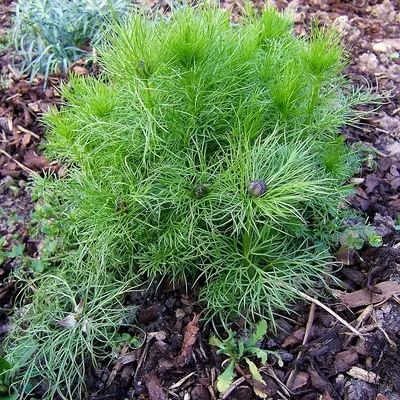
Fluffy 1 3/4-2" blooms fade to large light green seed pods on 12-24" stiff stems. Accented by attractive, ferny foliage. Whimsical, balloon-shaped seed pods dry readily/easily. Flowers attract and feed bees as well as other beneficial insects. Also known as Love in a Mist.
Harvest
65-70d
Days to harvest
Sun
Full sun
Zones
1–11
USDA hardiness
Height
12-30 inches
Planting Timeline
Showing dates for Albion Green Pod in USDA Zone 7
All Zone 7 flower →Zone Map
Click a state to update dates
Albion Green Pod · Zones 1–11
Growing Details
Succession Planting
Direct sow every 3 weeks starting in early April through mid-May for a steady run of pods; once daytime highs push past 80°F consistently, new sowings won't have enough cool weather to develop properly before bolting. Pick back up with a fall sowing in late August or early September — nigella germinates fine in warm soil and will size up as temperatures drop. Two windows per year is realistic in most zones; midsummer plantings are usually a waste of seed.
Complete Growing Guide
Fluffy 1 3/4-2" blooms fade to large light green seed pods on 12-24" stiff stems. Accented by attractive, ferny foliage. Whimsical, balloon-shaped seed pods dry readily/easily. Flowers attract and feed bees as well as other beneficial insects. Also known as Love in a Mist. According to Johnny's Selected Seeds, Albion Green Pod is 65-70 for flowers; 80-85 for pods to maturity, annual, open pollinated. Notable features: Use for Cut Flowers and Bouquets, Ideal for Drying and Crafts, Attracts Beneficial Insects.
Light: Full sun (6 or more hours of direct sunlight a day). Soil: Clay, Loam (Silt), Sand. Soil pH: Neutral (6.0-8.0). Drainage: Good Drainage, Occasionally Wet. Height: 1 ft. 0 in. - 2 ft. 6 in.. Spread: 0 ft. 6 in. - 2 ft. 0 in.. Spacing: Less than 12 inches. Growth rate: Rapid. Maintenance: Low. Propagation: Seed. Regions: Coastal, Mountains, Piedmont.
Harvesting
Albion Green Pod reaches harvest at 65-70 for flowers; 80-85 for pods from sowing per Johnny's Selected Seeds. Expect 1 3/4-2" at peak. As an annual, harvest continues until frost ends the season.
Egg-shaped, horned seed capsules (to 1” diameter) that are covered with bristles. Stems with dried seed capsules make excellent additions to dried flower arrangements.
Type: Capsule. Width: < 1 inch.
Garden value: Good Dried
Harvest time: Fall, Summer
Storage & Preservation
For fresh flowers, display in a cool room (65-70°F) away from direct sunlight and ripening fruit, which release ethylene gas. Change water daily and trim stems at an angle. Flowers typically last 7-10 days in a vase. For dried seed pods, harvest when fully mature and papery, then air-dry in a well-ventilated area out of direct sun for 2-3 weeks. Store dried pods in a cool, dry place in paper bags or containers. Alternatively, press flowers between parchment paper under books for 2-3 weeks, or hang-dry entire stems upside-down in bundles in a warm, airy space.
History & Origin
Albion Green Pod is open-pollinated, meaning seed saved from healthy plants will produce true-to-type offspring. Listed in the Johnny's Selected Seeds catalog.
Origin: Macaronesia, Mediterranean to Iran
Advantages
- +Attractive ferny foliage provides ornamental value throughout growing season
- +Balloon-shaped seed pods dry readily for easy flower arrangements
- +Blooms attract and feed beneficial insects like bees
- +Easy to grow with minimal care requirements
- +Whimsical two-tone effect from flowers fading to green pods
Considerations
- -Self-seeds prolifically which may become invasive in gardens
- -Prefers cool weather and may bolt in extreme heat
- -Requires well-draining soil or susceptible to root rot
Companion Plants
Marigolds (especially Tagetes patula) and Sweet Alyssum are the most useful neighbors — alyssum draws in parasitic wasps and hoverflies whose larvae eat aphids, and marigolds deter soil nematodes, which matters if you're rotating through a bed that's seen root crops. Dill and borage attract similar beneficials without competing hard for space at 9–12 inch spacing. Keep nigella away from Black Walnut, which releases juglone, a root-toxic compound that stunts many annuals, and give it a full bed's distance from sunflowers — Helianthus annuus produces allelopathic compounds in its root zone that can suppress nearby seedling germination, which is a real problem with a direct-sown annual like this one.
Plant Together
Marigolds
Repel aphids, whiteflies, and nematodes while attracting beneficial insects
Sweet Alyssum
Attracts beneficial predatory insects and provides ground cover
Nasturtiums
Act as trap crop for aphids and cucumber beetles, repel squash bugs
Borage
Attracts pollinators and beneficial insects, may improve plant vigor
Dill
Attracts beneficial wasps and predatory insects that control pests
Chives
Repel aphids and other soft-bodied insects with sulfur compounds
Cosmos
Attract beneficial insects and pollinators while providing habitat
Zinnia
Attract beneficial predatory insects and butterflies for pest control
Keep Apart
Black Walnut
Produces juglone toxin that inhibits growth and can kill sensitive plants
Sunflowers
Release allelopathic compounds that inhibit germination and growth
Eucalyptus
Produces allelopathic oils that suppress growth of nearby plants
Troubleshooting Albion Green Pod
What you'll see, why it happens, and what to do about it.
Seedlings collapse at soil level, stems look pinched or rotted right at the base
Likely Causes
- Damping off — usually Pythium or Rhizoctonia fungi thriving in cold, waterlogged soil
- Overwatering or poor drainage in early germination stage
What to Do
- 1.Don't water again until the top inch of soil is dry; nigella does not want wet feet as a seedling
- 2.If starting indoors, use a sterile seed-starting mix and make sure trays drain freely
- 3.Pull and discard affected seedlings — there's no recovery once the stem is gone
Leaves developing small, water-soaked spots that turn gray-white with a powdery coating, usually after the plant has been growing 4-6 weeks
Likely Causes
- Powdery mildew (Erysiphe polygoni or related species) — spores spread in dry air with high humidity at the leaf surface
- Crowded planting that restricts airflow between plants
What to Do
- 1.Space plants at least 9 inches apart — crowding is the main driver here
- 2.Apply a diluted neem oil spray (2 tsp per quart of water with a drop of dish soap) every 7 days on affected foliage
- 3.Remove the worst-affected stems; don't compost them
Flowers appear and pods form well before 65 days, stems are tall and sparse with very little foliage
Likely Causes
- Late sowing into heat — nigella rushes through its lifecycle once daytime highs stay above 80°F
- Insufficient sun causing etiolation alongside heat stress
What to Do
- 1.Sow direct in early spring so plants mature before summer heat sets in; in zone 7, that means April at the latest
- 2.For a second flush of pods, sow again in late August or early September — nigella handles fall far better than midsummer
- 3.Plan two short windows per year rather than trying to stretch one planting across the season
Frequently Asked Questions
How long do Albion Green Pod flowers last in a vase?▼
Is Albion Green Pod a good choice for beginner gardeners?▼
Can you grow Albion Green Pod in containers?▼
When should I plant Albion Green Pod seeds?▼
What is the difference between Albion Green Pod and other Love in a Mist varieties?▼
How do I harvest and dry the seed pods?▼
Zone-by-Zone Planting Calendar
| Zone | Indoor Start | Transplant | Direct Sow | Harvest |
|---|---|---|---|---|
| Zone 3 | April – May | June – July | June – August | — |
| Zone 4 | March – April | June – June | June – July | — |
| Zone 5 | March – April | May – June | May – July | — |
| Zone 6 | March – April | May – June | May – July | — |
| Zone 7 | February – March | April – May | April – June | — |
| Zone 8 | February – March | April – May | April – June | — |
| Zone 9 | January – February | March – April | March – May | — |
| Zone 10 | January – January | February – March | February – April | — |
| Zone 1 | May – June | July – August | July – September | — |
| Zone 2 | April – May | June – July | June – August | — |
| Zone 11 | January – January | January – February | January – March | — |
| Zone 12 | January – January | January – February | January – March | — |
| Zone 13 | January – January | January – February | January – March | — |
Growing Guides from Wind River Greens
Sources & References
External authority sources used in compiling this guide.
- BreederJohnny's Selected Seeds
See the Methodology page for how this data is sourced, what's AI-assisted, and known limitations.