Sunflower Russian Mammoth
Helianthus annuus 'Russian Mammoth'
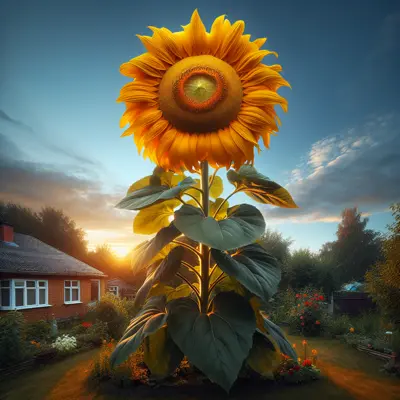
The giant of the sunflower world, this heirloom variety produces enormous flower heads up to 12 inches across on towering 10-foot stalks. Not only spectacular for garden displays and cut flowers, but also produces abundant large seeds perfect for snacking or feeding birds. A true showstopper that creates instant impact in any garden space.
Harvest
110-120d
Days to harvest
Sun
Full sun
Zones
2–11
USDA hardiness
Height
1-10 feet
Planting Timeline
Showing dates for Sunflower Russian Mammoth in USDA Zone 7
All Zone 7 flower →Zone Map
Click a state to update dates
Sunflower Russian Mammoth · Zones 2–11
Growing Details
Succession Planting
Russian Mammoth is a single-flush crop — each stalk produces one main head, and once it's done, it's done. Succession planting is the only way to stretch your harvest window. In zone 7, direct sow every 3 weeks from April 1 through mid-June; sowings after June 15 risk running out of warm days before the 110-120 day finish line, especially as nights cool in late September. That gives you roughly 2-3 staggered rounds if you start on time.
Each succession should go into a different bed if you can manage it — sunflowers are heavy feeders and will visibly underperform in soil that just grew a previous round without a side-dress of balanced fertilizer or a few inches of compost worked in first. Don't push a fourth sowing chasing a late-fall harvest; the heads need sustained heat to fill out properly, and a cool, wet September will leave you with thin, poorly developed seeds.
Complete Growing Guide
Russian Mammoth sunflowers can be started either indoors four to six weeks before your last frost date or direct sown outdoors once soil temperatures reach 50°F and all danger of frost has passed. This variety's enormous stature means it benefits from an early start indoors when possible, giving the roots time to establish before the plant commits its energy to those impressive 10-foot stems. If you live in a short-season climate, indoor starting is strongly recommended to ensure you reach the full 110-120 day maturation window before fall arrives.
Space Russian Mammoth seeds or transplants at least 24 inches apart, as these giant plants need room to develop their massive root systems and thick stalks. Sow seeds directly 1.5 inches deep in rich, well-draining soil amended with compost or aged manure. This variety's prodigious size demands fertile ground; prepare your planting area by working in several inches of organic matter before sowing. Unlike smaller sunflower varieties, Russian Mammoth will struggle in poor or compacted soil and may fail to reach its potential height.
Water deeply and consistently throughout the growing season, aiming for one to two inches per week depending on rainfall and heat. These towering plants are heavy drinkers, especially once they reach four feet tall and begin forming flower buds. Feed monthly with a balanced fertilizer or side-dress with compost around the base. As the plants approach flowering, switch to a lower-nitrogen formula to encourage blooming rather than excessive foliage.
The Russian Mammoth's enormous flower heads make it particularly susceptible to sunflower beetles and aphids, which cluster on developing buds and feed on tender tissues. Scout plants weekly starting in mid-summer, hand-picking beetles when populations are light or using insecticidal soap for aphids. Downy mildew and rust thrive in humid conditions, so ensure adequate air circulation between plants and avoid overhead watering. Watch for sclerotinia head rot, which causes the massive flower head to collapse and rot—this disease favors wet conditions, making proper spacing and good drainage essential for this tall variety.
Staking or trellising is essential for Russian Mammoth, despite their strong stems. The massive flower heads, which can exceed 12 inches in diameter, create significant wind resistance and leverage on the stalk. Drive sturdy stakes at planting time and tie plants loosely at multiple points as they grow. Birds and squirrels will target the developing seeds relentlessly, so consider netting the ripening flower heads if you want to harvest seeds for yourself rather than feed wildlife.
The most common mistake gardeners make with Russian Mammoth is underestimating their need for support. Many assume these sturdy-looking plants can stand alone, only to watch them topple spectacularly during summer storms. Plan for support from the start, and your investment will reward you with the garden showstopper this heirloom variety promises.
Harvesting
Harvest Russian Mammoth sunflowers when the flower head droops naturally and the back of the bloom transitions from green to golden brown or yellow, indicating seed maturity. The seeds should feel firm and resist gentle pressure from your thumbnail, and the flower petals will begin drying and falling away. These giants produce a single main head per plant, though smaller secondary blooms may develop on side shoots if you desire additional harvests. For optimal seed quality and yield, wait until the back of the head is completely brown before cutting, as seeds continue developing even after the front petals drop. Cut stems 12 inches below the flower head using sharp shears, then hang heads upside down in a warm, dry location for final curing before seed removal.
Seeds are ovoid and somewhat flattened
Color: Black, Brown/Copper. Type: Achene. Length: < 1 inch. Width: < 1 inch.
Garden value: Edible
Harvest time: Fall
Edibility: Seeds are used for cooking oil, livestock feed, and as a snack food or garnish. Petals are edible and young flower buds can be steamed like artichokes.
Storage & Preservation
Fresh-cut Russian Mammoth flower heads store best in a cool, dry location with good air circulation. Hang heads upside down in a garage or shed for 2-3 weeks to complete drying, covering with cheesecloth to protect from birds while allowing airflow.
Once fully dried, remove seeds and store in airtight containers in a cool, dark place. Properly dried seeds maintain viability for 2-3 years and eating quality for 6-12 months. For long-term storage, freeze seeds for 48 hours to eliminate any insect eggs, then store in sealed glass jars with silica gel packets.
Roast fresh seeds immediately after harvest by soaking in salt water for 8-10 hours, then baking at 300°F for 15-20 minutes until golden. Roasted seeds keep in airtight containers for 1 month at room temperature or 6 months frozen. Save the largest, most perfect seeds for next year's planting, ensuring genetic continuity of this magnificent heirloom variety.
History & Origin
This heirloom sunflower emerged from Russian agricultural traditions in the 19th century, where selective breeding favored the largest and most productive plants for both ornamental display and seed production. The specific breeder and exact year of introduction remain undocumented in widely accessible sources, though the variety's name clearly reflects its Russian origins and mammoth proportions. It became established in Western seed catalogs during the early 20th century as part of the broader wave of heirloom vegetable and flower introductions. The variety represents a direct continuation of folk breeding practices rather than a formal institutional breeding program, maintained through careful seed saving by gardeners and seed companies preserving these traits across generations.
Origin: Western United States
Advantages
- +Produces enormous 12-inch flower heads that create dramatic garden focal points
- +Towering 10-foot stalks provide stunning vertical interest and instant visual impact
- +Generates abundant large seeds perfect for snacking, cooking, or bird feeding
- +Easy to grow variety suitable for beginner gardeners with basic care
- +Heirloom variety with reliable seed production across 110-120 day growing season
Considerations
- -Extremely tall stalks require sturdy staking or support in windy locations
- -Highly attractive to birds, squirrels, and sunflower beetles causing significant damage
- -Susceptible to multiple diseases including downy mildew, rust, and head rot
- -Needs substantial garden space and full sun for optimal mammoth growth
Companion Plants
Corn, squash, and beans all do fine alongside Russian Mammoth because none of them compete hard for the phosphorus sunflowers pull from the top 12 inches of soil. In our zone 7 Georgia summers, cucumbers and lettuce genuinely benefit from the afternoon shade a 9-foot stalk throws — you can squeeze an extra 2 weeks out of a lettuce planting that would otherwise bolt in July heat. Nasturtiums and marigolds attract aphids away from the developing heads; they're not foolproof, but they give you something to spray before the sunflowers take a hit. Keep fennel out entirely — it releases allelopathic compounds that suppress germination of most nearby annuals — and don't run potatoes in the same bed rotation, since they share soilborne pathogens like Verticillium that you don't want building up in sunflower ground.
Plant Together
Cucumber
Benefits from sunflower's tall shade and wind protection while utilizing different soil nutrients
Corn
Similar growing requirements and complementary root systems, both benefit from deep watering
Squash
Enjoys partial shade from tall sunflowers and helps suppress weeds around sunflower base
Bean
Fixes nitrogen in soil which benefits heavy-feeding sunflowers, appreciates wind protection
Nasturtium
Acts as trap crop for aphids and cucumber beetles that may target sunflowers
Marigold
Repels nematodes and aphids while attracting beneficial insects for sunflower pollination
Lettuce
Benefits from afternoon shade provided by tall sunflowers, especially in hot climates
Radish
Quick-growing crop that breaks up soil around sunflower roots and deters root maggots
Keep Apart
Black Walnut
Produces juglone which is toxic to sunflowers and inhibits their growth
Pole Bean
May climb sunflower stalks and cause them to bend or break under additional weight
Fennel
Allelopathic properties inhibit growth of sunflowers and most other garden plants
Potato
Competes heavily for nutrients and water, both are heavy feeders with similar root zones
Pests & Disease Resistance
Resistance
Generally disease resistant, may develop downy mildew in humid conditions
Common Pests
Birds, squirrels, sunflower beetles, aphids
Diseases
Downy mildew, rust, bacterial wilt, sclerotinia head rot
Troubleshooting Sunflower Russian Mammoth
What you'll see, why it happens, and what to do about it.
Seedling stems pinched off at soil level, or seeds dug up before they sprout
Likely Causes
- Squirrels or birds targeting seeds and shallow-rooted seedlings
- Cutworms (Agrotis spp.) severing stems overnight
What to Do
- 1.Cover freshly sown seeds and young seedlings with hardware cloth or a wire cage until plants are 8-10 inches tall
- 2.For cutworms, press a cardboard collar 2 inches into the soil around each stem at transplant time
- 3.Direct sow a little deeper — about 1 inch — and firm the soil well on top to discourage birds from scratching
Leaves covered in a grayish-white powdery coating, starting on the upper surface, usually after the plant hits 3-4 feet tall
Likely Causes
- Downy mildew (Plasmopara halstedii) — favored by cool nights and humid mornings
- Overcrowded planting blocking airflow between stalks
What to Do
- 1.Space plants the full 24 inches apart — crowding is where this problem usually starts
- 2.Water at the base, not overhead, and do it in the morning so foliage dries before evening
- 3.Remove and bag affected leaves; a copper-based fungicide can slow spread if caught early
Small orange or reddish-brown pustules on the undersides of leaves, sometimes with yellowing on the upper surface
Likely Causes
- Sunflower rust (Puccinia helianthi) — a fungal disease that spreads via windborne spores
- Wet, humid weather stretching more than a few consecutive days
What to Do
- 1.Strip and bag heavily infected leaves — don't compost them
- 2.Apply a sulfur-based fungicide at first sign; NC State Extension lists sulfur as effective against Puccinia on ornamentals
- 3.Don't plant sunflowers or other Helianthus species in the same bed for at least 2 seasons after an outbreak
Developing seed head turning brown and mushy at the center, sometimes with white cottony growth, in the final 2-3 weeks before harvest
Likely Causes
- Sclerotinia head rot (Sclerotinia sclerotiorum) — thrives in wet conditions during bloom and seed fill
- Dense plantings that trap moisture around the head
What to Do
- 1.Cut off and bag affected heads immediately — Sclerotinia produces hard black survival structures called sclerotia that persist in soil for years if left to drop
- 2.Stop overhead irrigation once heads begin to form
- 3.In future plantings, orient rows to run with the prevailing wind direction to improve airflow around the heads
Frequently Asked Questions
How tall does Russian Mammoth sunflower actually get?▼
Can you grow Russian Mammoth sunflowers in containers?▼
When should I plant Russian Mammoth sunflower seeds?▼
How do I protect Russian Mammoth sunflowers from birds?▼
What do Russian Mammoth sunflower seeds taste like?▼
Is Russian Mammoth sunflower good for beginners?▼
Zone-by-Zone Planting Calendar
| Zone | Indoor Start | Transplant | Direct Sow | Harvest |
|---|---|---|---|---|
| Zone 1 | May – June | July – August | July – September | — |
| Zone 2 | April – May | June – July | June – August | — |
| Zone 11 | January – January | January – February | January – March | — |
| Zone 12 | January – January | January – February | January – March | — |
| Zone 13 | January – January | January – February | January – March | — |
| Zone 3 | April – May | June – July | June – August | — |
| Zone 4 | March – April | June – June | June – July | — |
| Zone 5 | March – April | May – June | May – July | — |
| Zone 6 | March – April | May – June | May – July | — |
| Zone 7 | February – March | April – May | April – June | — |
| Zone 8 | February – March | April – May | April – June | — |
| Zone 9 | January – February | March – April | March – May | — |
| Zone 10 | January – January | February – March | February – April | — |