Fama White
Scabiosa caucasica
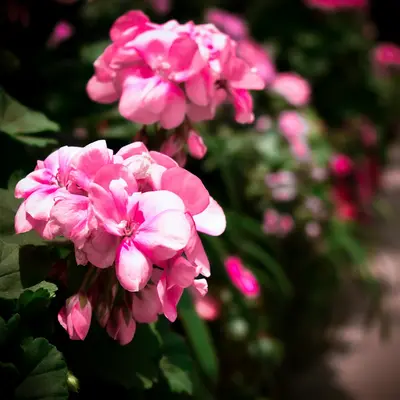
Elegant 2½-3½" blooms with long, clean, wiry stems and good vase life. Perfect for cutting. Seed pods can be used to add whimsy and interest to mixed bouquets. Produces all summer long. Also known as sweet scabious, Caucasian pincushion flower, and perennial Scabiosa. Perennial in Zones 3-7.
Harvest
105-140d
Days to harvest
Sun
Full sun
Zones
4–11
USDA hardiness
Height
2.5 feet
Planting Timeline
Showing dates for Fama White in USDA Zone 7
All Zone 7 flower →Zone Map
Click a state to update dates
Fama White · Zones 4–11
Growing Details
Complete Growing Guide
Elegant 2½-3½" blooms with long, clean, wiry stems and good vase life. Perfect for cutting. Seed pods can be used to add whimsy and interest to mixed bouquets. Produces all summer long. Also known as sweet scabious, Caucasian pincushion flower, and perennial Scabiosa. Perennial in Zones 3-7. According to Johnny's Selected Seeds, Fama White is 105 - 140 days to maturity, perennial, open pollinated. Notable features: Grows Well in Containers, Use for Cut Flowers and Bouquets.
Light: Full sun (6 or more hours of direct sunlight a day). Soil: High Organic Matter, Loam (Silt), Sand. Soil pH: Alkaline (>8.0), Neutral (6.0-8.0). Drainage: Good Drainage. Height: 2 ft. 0 in. - 3 ft. 0 in.. Spread: 0 ft. 9 in. - 1 ft. 0 in.. Spacing: Less than 12 inches. Growth rate: Medium. Maintenance: Low. Propagation: Seed. Regions: Coastal, Mountains, Piedmont.
Harvesting
Fama White reaches harvest at 105 - 140 days from sowing per Johnny's Selected Seeds.
Bloom time: Fall, Spring, Summer
Storage & Preservation
For fresh Fama White scabiosa blooms, store cut stems in a clean vase with cool water (65-72°F) in a cool room away from direct sun and ripening fruit. Keep humidity moderate to prevent petal browning. Blooms typically last 7-10 days in a vase. Preservation methods: (1) Air-dry by hanging bunches upside down in a dark, well-ventilated space for 2-3 weeks—excellent for dried arrangements with exceptional color retention. (2) Press flowers between parchment paper under weight for 2-4 weeks for botanical crafts and pressed flower arrangements. (3) Freeze in water in ice cube trays for later culinary or craft uses, though texture changes upon thawing.
History & Origin
Fama White is open-pollinated, meaning seed saved from healthy plants will produce true-to-type offspring. Listed in the Johnny's Selected Seeds catalog.
Origin: Southern Europe, Western Asia and Northern Africa
Advantages
- +Disease resistance: Deer, Drought
- +Attracts: Height: 2 ft. 0 in. - 3 ft. 0 in., Width: 0 ft. 9 in. - 1 ft. 0 in.
- +Wildlife value: Attracts hummingbirds and butterflies.
- +Low maintenance
Companion Plants
Marigolds and sweet alyssum are the most useful neighbors here. Marigolds (particularly Tagetes patula) deter aphids and whiteflies that will occasionally bother Scabiosa in a mixed cutting bed, while sweet alyssum draws in parasitic wasps and hoverflies — both of which clean up soft-bodied pests without you lifting a finger. Lavender is worth planting nearby too; it shares Scabiosa's preference for sharp drainage and full sun, won't compete aggressively for water at 12-18 inch spacing, and the two bloom in overlapping windows that keep pollinators cycling through the bed consistently.
Black walnut (Juglans nigra) is a hard no — the juglone it releases through root systems and decomposing leaf litter is enough to stunt or kill sensitive perennials like Scabiosa. Eucalyptus works the same way through its own allelopathic leaf litter as it breaks down. Sunflowers are a different problem: they're fast-growing enough to shade a 2.5-foot plant into decline, and root exudates from Helianthus have shown allelopathic activity in controlled trials. None of these three are worth testing.
Plant Together
Marigolds
Natural pest deterrent, repels aphids and nematodes while attracting beneficial insects
Sweet Alyssum
Attracts beneficial predatory insects like hoverflies and parasitic wasps
Nasturtiums
Acts as trap crop for aphids and cucumber beetles, drawing pests away from main flowers
Lavender
Repels moths, fleas, and mosquitoes while attracting pollinators like bees
Chives
Deters aphids and Japanese beetles with strong sulfur compounds
Cosmos
Attracts beneficial insects and provides habitat for pest predators
Yarrow
Improves soil health and attracts ladybugs and lacewings that control aphids
Petunias
Natural pest repellent, particularly effective against aphids, tomato hornworms, and squash bugs
Keep Apart
Black Walnut
Releases juglone toxin that inhibits growth and can cause wilting in sensitive plants
Eucalyptus
Allelopathic properties suppress growth of nearby plants through root and leaf chemicals
Sunflowers
Allelopathic effects can stunt growth of smaller flowering plants within close proximity
Troubleshooting Fama White
What you'll see, why it happens, and what to do about it.
Stems collapsing at soil level, plant wilting despite adequate watering — often in cool, wet spring conditions
Likely Causes
- Crown rot (Phytophthora or Pythium spp.) — sitting moisture at the base of the plant, especially in heavy clay soils
- Planting too deep, burying the crown
What to Do
- 1.Dig up the plant, cut away any blackened crown tissue, and replant at the correct depth — crown just at soil level, not below
- 2.Work coarse grit or perlite into the planting hole before you put it back; Scabiosa caucasica does not tolerate waterlogged roots
- 3.Hold off watering until the top inch of soil is dry; don't let water pool around the base
Leaves show pale, stippled patches and fine webbing on the undersides during hot, dry stretches
Likely Causes
- Two-spotted spider mite (Tetranychus urticae) — populations explode in dry conditions above 85°F
- Dusty, water-stressed plants that haven't been irrigated consistently
What to Do
- 1.Blast the undersides of leaves with a strong stream of water two or three mornings in a row — knocks mite populations back fast
- 2.Apply insecticidal soap or neem oil to leaf undersides, covering thoroughly; repeat every 5-7 days for two to three applications
- 3.Mulch around the base to retain soil moisture and keep plants from stressing during heat
Frequently Asked Questions
How long do Fama White scabiosa blooms last in a vase?▼
Can you grow Fama White scabiosa in containers?▼
Is scabiosa easy for beginner gardeners?▼
When should I plant Fama White scabiosa seeds?▼
What is the difference between scabiosa and pincushion flower?▼
Can you use scabiosa seed pods in arrangements?▼
Zone-by-Zone Planting Calendar
| Zone | Indoor Start | Transplant | Direct Sow | Harvest |
|---|---|---|---|---|
| Zone 3 | April – May | June – July | June – August | — |
| Zone 4 | March – April | June – June | June – July | — |
| Zone 5 | March – April | May – June | May – July | — |
| Zone 6 | March – April | May – June | May – July | — |
| Zone 7 | February – March | April – May | April – June | — |
| Zone 8 | February – March | April – May | April – June | — |
| Zone 9 | January – February | March – April | March – May | — |
| Zone 10 | January – January | February – March | February – April | — |
| Zone 1 | May – June | July – August | July – September | — |
| Zone 2 | April – May | June – July | June – August | — |
| Zone 11 | January – January | January – February | January – March | — |
| Zone 12 | January – January | January – February | January – March | — |
| Zone 13 | January – January | January – February | January – March | — |
Growing Guides from Wind River Greens
Sources & References
External authority sources used in compiling this guide.
- BreederJohnny's Selected Seeds
See the Methodology page for how this data is sourced, what's AI-assisted, and known limitations.