Tangerine Gem
Tagetes tenuifolia
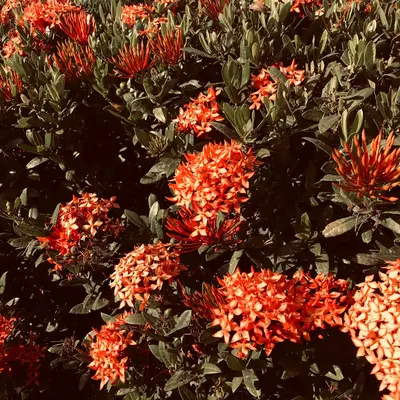
Hundreds of petite flowers cover neat, low mounds of lacy foliage with a citrusy scent. Long-blooming for beds, borders and containers where it attracts beneficial insects, such as ladybugs, hoverflies, butterflies, predatory bugs, and parasitic wasps. Leaves of the plant are edible and are used as flavorful salad greens and garnish. Also known as signet marigold.Edible Flowers: Use the flowers to dress up salads and desserts or cooked in egg or rice dishes. Flavor is floral with hints of citrus and spice, and slightly bitter. Remove the petals from the flower base before consuming as the base can be quite bitter.
Harvest
60d
Days to harvest
Sun
Full sun
Zones
2–11
USDA hardiness
Height
8-30 inches
Planting Timeline
Showing dates for Tangerine Gem in USDA Zone 7
All Zone 7 flower →Zone Map
Click a state to update dates
Tangerine Gem · Zones 2–11
Growing Details
Succession Planting
Start seeds indoors 6–8 weeks before your last frost date, or direct sow once soil hits 60°F — in zone 7, that window runs roughly April through early June. A second small sowing 3–4 weeks after the first smooths out the bloom flush and extends the pest-deterrent effect through the full tomato season. Tangerine Gem keeps flowering until hard frost without deadheading becoming a chore, so two rounds is enough for most gardens.
Complete Growing Guide
Hundreds of petite flowers cover neat, low mounds of lacy foliage with a citrusy scent. Long-blooming for beds, borders and containers where it attracts beneficial insects, such as ladybugs, hoverflies, butterflies, predatory bugs, and parasitic wasps. Leaves of the plant are edible and are used as flavorful salad greens and garnish. Also known as signet marigold.Edible Flowers: Use the flowers to dress up salads and desserts or cooked in egg or rice dishes. Flavor is floral with hints of citrus and spice, and slightly bitter. Remove the petals from the flower base before consuming as the base can be quite bitter. According to Johnny's Selected Seeds, Tangerine Gem is 60 days to maturity, annual, open pollinated. Notable features: Grows Well in Containers, Use for Cut Flowers and Bouquets, Edible Flowers, Fragrant, Attracts Beneficial Insects.
Light: Full sun (6 or more hours of direct sunlight a day). Soil: Clay, High Organic Matter, Loam (Silt), Sand. Soil pH: Acid (<6.0), Neutral (6.0-8.0). Drainage: Good Drainage, Moist, Occasionally Dry. Height: 0 ft. 8 in. - 2 ft. 6 in.. Spread: 0 ft. 9 in. - 2 ft. 6 in.. Spacing: Less than 12 inches, 12 inches-3 feet. Growth rate: Medium. Maintenance: Low. Propagation: Seed. Regions: Coastal, Mountains, Piedmont.
Harvesting
Tangerine Gem reaches harvest at 60 days from sowing per Johnny's Selected Seeds. As an annual, harvest continues until frost ends the season.
Tufted seeds
Color: Black. Type: Achene.
Harvest time: Fall
Edibility: The flowers of some cultivars have a pleasant citrus-like flavour and can be used sparingly as a flavouring or as a garnish.
Storage & Preservation
Fresh flowers and leaves are best stored in the refrigerator at 35-40°F with high humidity (place in a damp paper towel within a sealed container). They will last 3-5 days when refrigerated. For preservation, dry the petals and leaves by hanging upside down in a well-ventilated area for 1-2 weeks, then store in airtight containers away from light. Alternatively, freeze petals in ice cubes with water for later use in beverages or desserts, or infuse the flowers into honey or vinegar for extended shelf life of 6+ months.
History & Origin
Tangerine Gem is open-pollinated, meaning seed saved from healthy plants will produce true-to-type offspring. Listed in the Johnny's Selected Seeds catalog.
Origin: Mexico, Central America, Columbia, Peru
Advantages
- +Produces hundreds of petite flowers on compact, low-growing mounds
- +Attracts beneficial insects like ladybugs, hoverflies, and parasitic wasps
- +Both flowers and edible leaves offer culinary and garnish uses
- +Long blooming period provides continuous color in beds and containers
- +Lacy foliage and citrusy scent add ornamental and sensory appeal
Considerations
- -Slightly bitter base of flowers requires careful petal removal before eating
- -Petite flowers may get lost visually in large garden spaces
- -Edible leaves have somewhat bitter flavor that not everyone enjoys
Companion Plants
Tangerine Gem's limonene-heavy foliage genuinely disrupts the host-finding behavior of aphids and whiteflies — both of which hit tomatoes and peppers hard — so planting it 12–18 inches off those crops does real work, not just decorative work. Basil shares that pest-confusing role without competing for root depth, making the two a practical pairing. Nasturtiums nearby act as a draw crop, pulling aphid colonies onto themselves and off everything else. Beans are worth keeping separate: documented growth suppression occurs near Tagetes species, and fennel compounds the problem since it's allelopathic to most plants regardless of companion.
Plant Together
Tomatoes
Marigolds repel nematodes and whiteflies that commonly attack tomatoes
Peppers
Protection from aphids and spider mites while sharing similar growing conditions
Basil
Mutual pest deterrence against thrips and aphids, complementary growth habits
Nasturtiums
Act as trap crops for aphids and cucumber beetles, similar sun requirements
Zinnias
Attract beneficial predatory insects and create pollinator-friendly garden zones
Petunias
Repel aphids, tomato hornworms, and squash bugs with similar care needs
Lettuce
Marigolds provide natural pest control while lettuce offers ground cover
Cucumbers
Protection from cucumber beetles and aphids through natural pest deterrence
Keep Apart
Beans
Marigolds can inhibit bean growth and nitrogen fixation through root secretions
Cabbage
Allelopathic compounds may stunt brassica growth and development
Fennel
Strong allelopathic effects inhibit marigold germination and growth
Pests & Disease Resistance
Common Pests
Spider mites, aphids, whiteflies
Diseases
Powdery mildew, root rot in poorly drained soil
Troubleshooting Tangerine Gem
What you'll see, why it happens, and what to do about it.
Fine webbing on leaf undersides with stippled, bronze-looking foliage, especially in hot dry stretches
Likely Causes
- Two-spotted spider mite (Tetranychus urticae) — populations explode when temps stay above 85°F and humidity drops
- Dusty conditions, which mites prefer
What to Do
- 1.Blast the undersides of leaves with a strong stream of water every 2-3 days — mites hate moisture and it physically removes them
- 2.If infestation is heavy, apply insecticidal soap or neem oil in the evening so it doesn't burn foliage in full sun
- 3.Don't let the plants go drought-stressed; mite pressure is worse on plants already struggling
White powdery coating on upper leaf surfaces, usually showing up in late summer when nights cool down
Likely Causes
- Powdery mildew — a fungal complex (often Erysiphe or Golovinomyces spp.) that spreads via airborne spores and thrives when days are warm and nights dip below 65°F
- Crowded spacing that cuts airflow between plants
What to Do
- 1.Space plants at least 12 inches apart from the start — crowding is the main setup for this problem
- 2.Remove badly affected stems and dispose of them in the trash, not the compost pile
- 3.A baking soda spray (1 tablespoon per gallon of water with a drop of dish soap) can slow spread on plants you want to keep going into fall
Frequently Asked Questions
How long does Tangerine Gem take to flower?▼
Can you grow Tangerine Gem in containers?▼
Is Tangerine Gem good for beginners?▼
What does Tangerine Gem taste like?▼
When should I plant Tangerine Gem seeds?▼
What insects does Tangerine Gem attract?▼
Zone-by-Zone Planting Calendar
| Zone | Indoor Start | Transplant | Direct Sow | Harvest |
|---|---|---|---|---|
| Zone 3 | April – May | June – July | June – August | — |
| Zone 4 | March – April | June – June | June – July | — |
| Zone 5 | March – April | May – June | May – July | — |
| Zone 6 | March – April | May – June | May – July | — |
| Zone 7 | February – March | April – May | April – June | — |
| Zone 8 | February – March | April – May | April – June | — |
| Zone 9 | January – February | March – April | March – May | — |
| Zone 10 | January – January | February – March | February – April | — |
| Zone 1 | May – June | July – August | July – September | — |
| Zone 2 | April – May | June – July | June – August | — |
| Zone 11 | January – January | January – February | January – March | — |
| Zone 12 | January – January | January – February | January – March | — |
| Zone 13 | January – January | January – February | January – March | — |
Growing Guides from Wind River Greens
Sources & References
External authority sources used in compiling this guide.
- ExtensionNC State Extension
- BreederJohnny's Selected Seeds
See the Methodology page for how this data is sourced, what's AI-assisted, and known limitations.