Benary's Giant Deep Red
Zinnia elegans
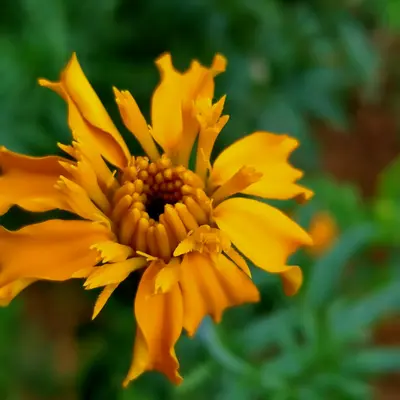
Benary's Giant Deep Red is a spectacular heirloom celosia (cockscomb) featuring velvety, deep crimson flower heads that can reach 6-8 inches across. The densely ruffled plumes emerge on sturdy, branching plants reaching 24-30 inches tall. Blooming within 75-90 days, it's prized for its rich color intensity and dramatic garden impact. An excellent cut flower and landscape focal point for full-sun borders.
Harvest
75-90d
Days to harvest
Sun
Full sun
Zones
2–11
USDA hardiness
Height
0-3 feet
Planting Timeline
Showing dates for Benary's Giant Deep Red in USDA Zone 7
All Zone 7 flower →Zone Map
Click a state to update dates
Benary's Giant Deep Red · Zones 2–11
Growing Details
Succession Planting
Direct sow every 2–3 weeks from your last frost date through early summer — in zone 7, that means roughly April 1 through June 15. Benary's Giant takes 75–90 days to first bloom, so a mid-June sowing will carry you into September with fresh flowers. Once daytime highs are consistently above 90°F, germination gets unreliable and early growth stalls, so don't push sowings too late in the season.
If you're growing for cut flowers, staggered sowings matter more than if you just want a full bed. A 3-week gap between plantings keeps a steady rotation of stems coming rather than one big flush. Indoors, start seeds 4–6 weeks before your transplant date; zinnias don't love being root-bound, so don't start them too early.
Complete Growing Guide
Recommended by the Association of Specialty Cut Flower Growers. High yields of long, sturdy stems with 4-6" fully double, dahlia-like blooms. Excellent vase life. Vigorous plants hold up well in summer heat and rain. Low susceptibility to powdery mildew. Cut-and-come-again flower, yielding multiple cuts over the season. According to Johnny's Selected Seeds, Benary's Giant Deep Red is 75 - 90 days to maturity, annual, open pollinated. Notable features: Use for Cut Flowers and Bouquets.
Light: Full sun (6 or more hours of direct sunlight a day). Soil: High Organic Matter, Loam (Silt). Soil pH: Acid (<6.0), Alkaline (>8.0), Neutral (6.0-8.0). Drainage: Good Drainage, Occasionally Dry. Height: 0 ft. 6 in. - 3 ft. 0 in.. Spread: 0 ft. 8 in. - 1 ft. 0 in.. Spacing: 12 inches-3 feet. Growth rate: Rapid. Maintenance: Medium. Propagation: Seed. Regions: Coastal, Mountains, Piedmont.
Harvesting
Benary's Giant Deep Red reaches harvest at 75 - 90 days from sowing per Johnny's Selected Seeds. Expect 4-6" at peak. As an annual, harvest continues until frost ends the season.
Type: Achene.
Storage & Preservation
For maximum vase life, cut stems in early morning when fully hydrated. Remove lower foliage, recut stems at a 45° angle, and immediately place in room-temperature water with floral preservative. Change water every 2-3 days. Store in a cool location (65-72°F) away from direct sunlight, ethylene-producing fruits, and drafts. Blooms last 7-10 days indoors. For preservation, try air-drying upside-down in a dark, well-ventilated space (2-3 weeks), pressing individual petals between paper, or silica gel drying for maintaining shape and color intensity.
History & Origin
Benary's Giant Deep Red is open-pollinated, meaning seed saved from healthy plants will produce true-to-type offspring. Listed in the Johnny's Selected Seeds catalog.
Origin: Mexico
Advantages
- +Produces long, sturdy stems ideal for professional cut flower arrangements
- +Large 4-6" fully double dahlia-like blooms with deep red color
- +Excellent vase life extends the value of each cut flower
- +Cut-and-come-again variety yields multiple harvests throughout the season
- +Vigorous plants withstand summer heat, rain, and resist powdery mildew
Considerations
- -Requires 75-90 days to first bloom, extending time to harvest
- -Deep red color may fade in intense direct sunlight over time
- -Needs consistent deadheading to maintain continuous production
- -Large blooms demand sturdy support stakes in windy conditions
Companion Plants
Marigolds (especially Tagetes patula) and sweet alyssum are the most practical companions here. Tagetes patula releases thiophenes from its roots that suppress soil nematodes, and the flower scent confuses aphids and whiteflies above ground. Sweet alyssum draws hoverflies, whose larvae eat aphids — plant it at the edges of your zinnia bed and it does quiet, useful work all season. Cosmos and celosia make sense alongside Benary's Giant for a different reason: they share the same light and water requirements, so you're not juggling competing needs, and mixing heights keeps air moving through the planting.
Black walnut is the one to give a wide berth. Juglone — the compound black walnut roots and decomposing hulls release — builds up in the soil over years, and zinnias are sensitive enough that even a planting 40 feet from an established tree can show suppressed growth and poor germination. Fennel causes a similar problem through allelopathic root compounds, though for a different reason: it actively inhibits the germination and development of many annuals growing nearby and is better sited in its own isolated patch.
Plant Together
Marigolds
Repel nematodes and aphids while attracting beneficial insects
Basil
Deters thrips and aphids that commonly attack zinnias
Nasturtiums
Act as trap crop for aphids and cucumber beetles
Cosmos
Attract beneficial predatory insects and pollinators
Sunflowers
Provide support structure and attract beneficial birds
Cleome
Attract hoverflies and other beneficial insects that control pests
Celosia
Similar growing requirements and attract complementary pollinators
Sweet Alyssum
Ground cover that attracts beneficial wasps and hover flies
Keep Apart
Black Walnut
Produces juglone which is toxic to zinnias and causes wilting
Fennel
Allelopathic properties inhibit zinnia growth and development
Eucalyptus
Root secretions and leaf litter suppress zinnia germination and growth
Pests & Disease Resistance
Diseases
Powdery mildew (low susceptibility)
Troubleshooting Benary's Giant Deep Red
What you'll see, why it happens, and what to do about it.
White powdery coating on upper leaf surfaces, usually appearing mid-summer when nights cool down
Likely Causes
- Powdery mildew (Erysiphe cichoracearum) — fungal spores spread by wind, thrives in warm days and cool humid nights
- Crowded planting that restricts airflow between plants
What to Do
- 1.Space plants at least 18 inches apart from the start — cramming them in is the fastest way to invite this
- 2.Remove and bag heavily infected leaves; don't compost them
- 3.Spray with a diluted neem oil solution (2 tbsp per gallon) every 7 days as a preventive once you see the first signs
Seedlings collapse at soil level, stems pinched and dark at the base, within the first 2 weeks after germination
Likely Causes
- Damping off — typically Pythium or Rhizoctonia fungi, triggered by overwatering and poor drainage in seed trays
- Using old, non-sterile potting mix that holds too much moisture
What to Do
- 1.Start fresh with sterile seed-starting mix and clean trays — reusing last year's mix without sterilizing it is asking for trouble
- 2.Water from the bottom, and let the surface dry slightly between waterings
- 3.Run a small fan nearby to keep air moving across the trays
Buds form but flowers fail to open fully, or petals brown at the edges before the bloom expands
Likely Causes
- Botrytis cinerea (gray mold) — common in wet or humid stretches, especially if spent blooms aren't removed
- Extended cool, overcast weather slowing down a warm-season annual that wants 70–85°F days to perform
What to Do
- 1.Deadhead consistently — spent blooms sitting on the plant are where Botrytis gets its foothold
- 2.Cut flowers early in the morning when stems are turgid, and get them out of the bed
- 3.If you see gray fuzzy spore masses on any tissue, remove that material immediately and dispose of it away from the garden
Plants look stunted at 3–4 weeks, leaves pale green overall rather than a specific pattern, not growing toward the 2–3 foot mature height
Likely Causes
- Nitrogen deficiency in sandy or low-organic-matter soil
- Root-bound transplants that were left in cell trays too long before going in the ground
What to Do
- 1.Side-dress with a balanced granular fertilizer (something like 10-10-10) at about 4 weeks after transplant, following label rates
- 2.Check your transplants before planting — if roots are circling the bottom of the plug, loosen them gently before setting in the hole
- 3.Incorporate compost into beds before the season; zinnias aren't heavy feeders, but they won't thrive in depleted soil
Frequently Asked Questions
How long do Benary's Giant Deep Red flowers last in a vase?▼
Is Benary's Giant Deep Red good for beginner flower growers?▼
Can you grow Benary's Giant Deep Red in containers?▼
What makes Benary's Giant Deep Red ideal for cut flowers?▼
When should I plant Benary's Giant Deep Red?▼
How often should I harvest Benary's Giant Deep Red blooms?▼
Zone-by-Zone Planting Calendar
| Zone | Indoor Start | Transplant | Direct Sow | Harvest |
|---|---|---|---|---|
| Zone 1 | May – June | July – August | July – September | — |
| Zone 2 | April – May | June – July | June – August | — |
| Zone 11 | January – January | January – February | January – March | — |
| Zone 12 | January – January | January – February | January – March | — |
| Zone 13 | January – January | January – February | January – March | — |
| Zone 3 | April – May | June – July | June – August | — |
| Zone 4 | March – April | June – June | June – July | — |
| Zone 5 | March – April | May – June | May – July | — |
| Zone 6 | March – April | May – June | May – July | — |
| Zone 7 | February – March | April – May | April – June | — |
| Zone 8 | February – March | April – May | April – June | — |
| Zone 9 | January – February | March – April | March – May | — |
| Zone 10 | January – January | February – March | February – April | — |
Growing Guides from Wind River Greens
Sources & References
External authority sources used in compiling this guide.
- BreederJohnny's Selected Seeds
See the Methodology page for how this data is sourced, what's AI-assisted, and known limitations.