Merlot Red
Scabiosa atropurpurea
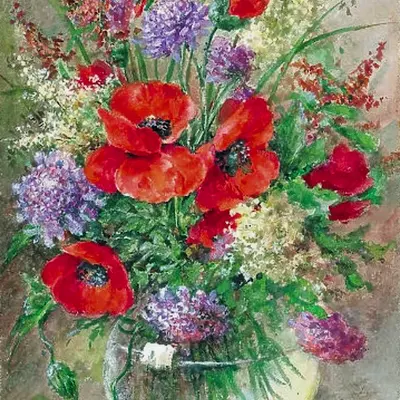
Elegant and whimsical cut flower. Productive plants. 1 1/2-2 1/2" dark wine-colored blooms stand tall on strong, slender stems. A dramatic addition to any bouquet or garden. Also known as mourning bride.
Harvest
90-100d
Days to harvest
Sun
Full sun
Zones
4–11
USDA hardiness
Height
2-3 feet
Planting Timeline
Showing dates for Merlot Red in USDA Zone 7
All Zone 7 flower →Zone Map
Click a state to update dates
Merlot Red · Zones 4–11
Growing Details
Succession Planting
Merlot Red blooms continuously once it gets going — keep deadheading and a single planting will carry you from roughly 90 to 100 days after transplant through the first hard frost. That said, staggering two or three small sowings gives you a longer, more even run of stems. Start the first batch indoors in February or March (zone 7), then direct sow a second round in April or May. The younger batch follows the transplants by about 4 to 5 weeks, smoothing out the gap you'd otherwise get if the first flush burns out in peak heat.
Stop direct sowing by late June in most climates. Seeds want soil temperatures around 65–70°F to germinate reliably, and plants started in July won't have enough runway before frost to reach full bloom. If early-summer heat is causing patchy germination, refrigerate seeds for 48 hours before sowing — a brief cold treatment can improve germination rates in Scabiosa atropurpurea.
Complete Growing Guide
Elegant and whimsical cut flower. Productive plants. 1 1/2-2 1/2" dark wine-colored blooms stand tall on strong, slender stems. A dramatic addition to any bouquet or garden. Also known as mourning bride. According to Johnny's Selected Seeds, Merlot Red is 90 - 100 days to maturity, annual, open pollinated. Notable features: Cold Tolerant, Use for Cut Flowers and Bouquets, Attracts Beneficial Insects.
Light: Full sun (6 or more hours of direct sunlight a day). Soil: High Organic Matter, Loam (Silt), Sand. Soil pH: Alkaline (>8.0), Neutral (6.0-8.0). Drainage: Good Drainage. Height: 2 ft. 0 in. - 3 ft. 0 in.. Spread: 0 ft. 9 in. - 1 ft. 0 in.. Spacing: Less than 12 inches. Growth rate: Medium. Maintenance: Low. Propagation: Seed. Regions: Coastal, Mountains, Piedmont.
Harvesting
Merlot Red reaches harvest at 90 - 100 days from sowing per Johnny's Selected Seeds. Expect 1 1/2-2 1/2" at peak. As an annual, harvest continues until frost ends the season.
Bloom time: Fall, Spring, Summer
Storage & Preservation
For fresh storage, keep Merlot Red blooms in a cool location between 65-72°F with moderate humidity. They perform best in a refrigerator (35-40°F) to extend vase life to 7-10 days. Use a clean vase with fresh flower food and change water every 2-3 days. For preservation, air-dry stems by hanging upside-down in a dark, well-ventilated area for 1-2 weeks to create long-lasting dried arrangements. Alternatively, press flowers between heavy books for 2-3 weeks to create flat, decorative specimens. Silica gel drying preserves color vibrantly if rapid drying is preferred.
History & Origin
Merlot Red is open-pollinated, meaning seed saved from healthy plants will produce true-to-type offspring. Listed in the Johnny's Selected Seeds catalog.
Origin: Southern Europe, Western Asia and Northern Africa
Advantages
- +Deep wine-colored blooms create dramatic, sophisticated bouquet arrangements
- +Strong slender stems provide excellent support for tall elegant displays
- +Highly productive plants deliver abundant cut flowers throughout season
- +90-100 day maturity offers reasonable timeline for annual growers
- +Easy growing difficulty makes variety suitable for beginners
Considerations
- -Dark coloring may appear somber or funeral-like in some design contexts
- -Requires full sun exposure and well-draining soil for optimal performance
- -Susceptible to powdery mildew in humid or poorly ventilated conditions
Companion Plants
Marigolds and Sweet Alyssum are the most practical neighbors for Merlot Red. French marigolds (like 'Bonanza') deter aphids and thrips through scent and root exudates — both pest types will probe scabiosa stems when populations get high in midsummer. Sweet Alyssum draws in parasitic wasps and hoverflies whose larvae eat aphids; at 6 to 8 inches tall, it acts as a living mulch without competing for light. Nasturtiums pull double duty as a trap crop for aphids, keeping pressure off the scabiosa. Lavender and Catnip add another layer of pest confusion without fighting for the same root zone depth, and Zinnia or Sunflowers make good height companions in a cutting-garden bed, keeping pollinators cycling through longer than Merlot Red alone would.
Keep Merlot Red away from Black Walnut — the tree releases juglone through its root system, and most annuals planted within its drip zone struggle to establish regardless of otherwise good conditions. Fennel secretes anethole from its roots and is documented to suppress neighboring plants; it's also a poor match in a pollinator bed since it draws a different insect guild and tends to crowd out whatever's next to it by midsummer.
Plant Together
Marigolds
Repel nematodes, aphids, and whiteflies while attracting beneficial pollinators
Sweet Alyssum
Attracts beneficial insects like hoverflies and parasitic wasps that control pests
Nasturtiums
Act as trap crops for aphids and cucumber beetles, drawing pests away
Lavender
Repels moths, fleas, and mosquitoes while attracting bees and butterflies
Petunias
Repel aphids, tomato hornworms, and squash bugs naturally
Zinnia
Attract ladybugs and other beneficial predatory insects for pest control
Catnip
Repels mosquitoes, ants, and rodents more effectively than DEET
Sunflowers
Provide beneficial shade and attract pest-eating birds and beneficial insects
Keep Apart
Black Walnut
Releases juglone toxin that inhibits growth and can kill many flowering plants
Eucalyptus
Produces allelopathic compounds that suppress growth of nearby plants
Fennel
Inhibits growth of most garden plants through allelopathic root secretions
Troubleshooting Merlot Red
What you'll see, why it happens, and what to do about it.
Powdery white coating on leaves and stems, usually appearing in mid-summer when nights cool down
Likely Causes
- Powdery mildew (Erysiphe cichoracearum) — thrives when humidity is high but foliage stays dry
- Poor air circulation from crowded planting
What to Do
- 1.Thin plants to at least 12 inches apart to open up airflow
- 2.Spray affected foliage with a dilute solution of 1 tablespoon baking soda per gallon of water, or use a sulfur-based fungicide labeled for ornamentals
- 3.Water at the base in the morning — never overhead in the evening
Leggy stems flopping over, poor bloom count despite full sun
Likely Causes
- Insufficient deadheading — Scabiosa atropurpurea is a cut-and-come-again flower that stops producing if spent heads are left on
- Overly rich soil pushing vegetative growth at the expense of flowering
What to Do
- 1.Cut or deadhead every 5 to 7 days; take the stem down to the next lateral bud, not just the spent head
- 2.Skip the high-nitrogen fertilizer — a balanced 10-10-10 at planting is usually enough for the season
- 3.Stake with bamboo canes or grow through wire netting if plants are hitting 2.5 to 3 feet and the site is windy
Seedlings collapsing at the soil line — stem narrows to a thread and the plant goes over within days of germination
Likely Causes
- Damping off (Pythium or Rhizoctonia spp.) — almost always triggered by overwatering or poorly draining seed-starting mix
- Sowing too early before indoor temperatures are consistently above 65°F
What to Do
- 1.Use a sterile, well-draining seed-starting mix and never let trays sit in standing water
- 2.Run a small fan near seedlings for 30 to 60 minutes a day to dry the surface and strengthen stems
- 3.If damping off appears, pull affected seedlings immediately and let the remaining cells dry down before watering again
Frequently Asked Questions
How long do Merlot Red flowers last in a vase?▼
Can you grow Merlot Red flowers in containers?▼
Is Merlot Red a good choice for beginner gardeners?▼
When should I plant Merlot Red flowers?▼
What makes Merlot Red different from other cut flowers?▼
Zone-by-Zone Planting Calendar
| Zone | Indoor Start | Transplant | Direct Sow | Harvest |
|---|---|---|---|---|
| Zone 1 | May – June | July – August | July – September | — |
| Zone 2 | April – May | June – July | June – August | — |
| Zone 11 | January – January | January – February | January – March | — |
| Zone 12 | January – January | January – February | January – March | — |
| Zone 13 | January – January | January – February | January – March | — |
| Zone 3 | April – May | June – July | June – August | — |
| Zone 4 | March – April | June – June | June – July | — |
| Zone 5 | March – April | May – June | May – July | — |
| Zone 6 | March – April | May – June | May – July | — |
| Zone 7 | February – March | April – May | April – June | — |
| Zone 8 | February – March | April – May | April – June | — |
| Zone 9 | January – February | March – April | March – May | — |
| Zone 10 | January – January | February – March | February – April | — |
Growing Guides from Wind River Greens
Sources & References
External authority sources used in compiling this guide.
- BreederJohnny's Selected Seeds
See the Methodology page for how this data is sourced, what's AI-assisted, and known limitations.