Benary's Giant Wine
Zinnia elegans
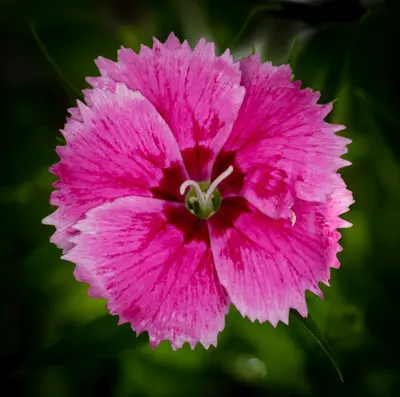
Wikimedia Commons via Zinnia elegans
Benary's Giant Wine is a heirloom flower variety producing deep wine-red blooms on vigorous plants. Reaching maturity in 75-90 days, this ornamental excels in full sun with well-drained, fertile soil. The large, vibrant flowers are the defining feature, making it a striking addition to cut-flower gardens and borders. Easy to grow and reliable, it's prized by gardeners for its dramatic coloring and generous bloom production.
Harvest
75-90d
Days to harvest
Sun
Full sun
Zones
2–11
USDA hardiness
Height
0-3 feet
Planting Timeline
Showing dates for Benary's Giant Wine in USDA Zone 7
All Zone 7 flower →Zone Map
Click a state to update dates
Benary's Giant Wine · Zones 2–11
Growing Details
Succession Planting
Direct sow every 3 weeks starting April 1 through mid-June in zone 7; that window gets you continuous bloom from midsummer into October. Don't push past late June — seeds sown when daytime highs are consistently above 90°F germinate poorly and young plants tend to stall rather than establish. If you want the earliest possible cut flowers, start indoors 8 weeks before your last frost date (early February here), then transplant after April 1. Zinnias direct-sow so reliably that indoor starts are mostly worth the trouble for that first flush and not much else.
Complete Growing Guide
Recommended by the Association of Specialty Cut Flower Growers. High yields of long, sturdy stems with 4-6" fully double, dahlia-like blooms. Excellent vase life. Vigorous plants hold up well in summer heat and rain. Low susceptibility to powdery mildew. Cut-and-come-again flower, yielding multiple cuts over the season. According to Johnny's Selected Seeds, Benary's Giant Wine is 75 - 90 days to maturity, annual, open pollinated. Notable features: Use for Cut Flowers and Bouquets.
Light: Full sun (6 or more hours of direct sunlight a day). Soil: High Organic Matter, Loam (Silt). Soil pH: Acid (<6.0), Alkaline (>8.0), Neutral (6.0-8.0). Drainage: Good Drainage, Occasionally Dry. Height: 0 ft. 6 in. - 3 ft. 0 in.. Spread: 0 ft. 8 in. - 1 ft. 0 in.. Spacing: 12 inches-3 feet. Growth rate: Rapid. Maintenance: Medium. Propagation: Seed. Regions: Coastal, Mountains, Piedmont.
Harvesting
Benary's Giant Wine reaches harvest at 75 - 90 days from sowing per Johnny's Selected Seeds. Expect 4-6" at peak. As an annual, harvest continues until frost ends the season.
Type: Achene.
Storage & Preservation
Fresh zinnias should be stored upright in a vase with room-temperature water immediately after cutting early morning or late evening. For short-term storage (3-5 days), keep in a cool room away from direct sunlight and ripening fruit. For longer vase life, refrigerate at 34-36°F overnight, then return to room temperature. To preserve: air-dry by hanging in small bunches in a warm, dark, well-ventilated space for 2-3 weeks for dried arrangements; press flowers between paper under weight for 1-2 weeks for craft projects; or freeze blooms in water in ice cube trays for decorative use.
History & Origin
Benary's Giant Wine is open-pollinated, meaning seed saved from healthy plants will produce true-to-type offspring. Listed in the Johnny's Selected Seeds catalog.
Origin: Mexico
Advantages
- +Produces abundant long, sturdy stems ideal for professional cut flower arrangements
- +Massive 4-6" fully double blooms resemble dahlias for dramatic visual impact
- +Excellent vase life means cut flowers last considerably longer than typical zinnias
- +Vigorous plants naturally resist powdery mildew, reducing fungicide applications needed
- +Heat and rain tolerant variety performs reliably even in difficult summer conditions
Considerations
- -Requires 75-90 days to maturity, limiting crops in shorter growing seasons
- -Fully double flowers may trap moisture, increasing botrytis risk in humid climates
- -Deadheading needed regularly to maintain continuous blooms throughout the season
Companion Plants
Marigolds are the most practical neighbor here — their root secretions suppress soil nematodes, and they fill visual gaps between zinnia plants without fighting for water. Cosmos and Cleome share the same full-sun, warm-season needs and won't crowd Benary's Giant Wine at 12–18 inch spacing. Sweet alyssum at the border draws parasitic wasps that cut aphid pressure noticeably. In our zone 7 Georgia summers, that combination keeps the bed productive from July into October. Give black walnut a wide berth — juglone moves through soil far enough to stunt zinnias with no obvious cause until you trace it back to the tree.
Plant Together
Marigolds
Repel aphids, whiteflies, and nematodes while attracting beneficial insects
Nasturtiums
Act as trap crops for aphids and cucumber beetles, protecting zinnias
Basil
Repels thrips, aphids, and spider mites that commonly attack zinnias
Cosmos
Attract beneficial predatory insects and provide complementary bloom colors
Cleome
Attract beneficial insects and provide vertical structure without competing for space
Sweet Alyssum
Attracts hover flies and parasitic wasps that control zinnia pests
Celosia
Similar growing requirements and bloom time, creating attractive color combinations
Sunflowers
Provide beneficial shade and attract pollinators without direct competition
Keep Apart
Black Walnut
Produces juglone toxin that inhibits zinnia growth and causes wilting
Fennel
Releases allelopathic compounds that stunt zinnia growth and development
Eucalyptus
Produces allelopathic oils that inhibit seed germination and plant growth
Troubleshooting Benary's Giant Wine
What you'll see, why it happens, and what to do about it.
White powdery coating on upper leaf surfaces, usually showing up after plants have been in the ground 6+ weeks
Likely Causes
- Powdery mildew (Erysiphe cichoracearum) — fungal spores spread by wind, thrives in warm days with cool nights and poor airflow
- Overcrowded planting below the 12-inch minimum spacing
What to Do
- 1.Pull any badly affected leaves off and bin them — don't compost
- 2.Spray foliage with a diluted baking soda solution (1 tablespoon per gallon of water) or a neem oil product early in the morning so leaves dry before nightfall
- 3.Next planting, stick to 15–18 inch spacing and avoid overhead watering late in the day
Stem collapses at soil level on seedlings within the first 2 weeks after germination or transplant
Likely Causes
- Damping off — usually Pythium or Rhizoctonia solani fungi, both triggered by soggy, poorly drained growing medium
- Overwatering seedling trays or transplanting into waterlogged beds
What to Do
- 1.There's no saving a collapsed seedling — pull it and improve drainage before replanting
- 2.Start seeds in a sterile, well-draining germination mix and water from the bottom of the tray rather than overhead
- 3.Direct sow outdoors only after soil temps are reliably above 60°F, which in zone 7 Georgia is typically mid-April
Frequently Asked Questions
How long do Benary's Giant Wine zinnias last in a vase?▼
Is Benary's Giant Wine a good zinnia variety for beginners?▼
Can you grow Benary's Giant Wine zinnias in containers?▼
When should I plant Benary's Giant Wine zinnia seeds?▼
What color are Benary's Giant Wine zinnias?▼
How many stems can one Benary's Giant Wine plant produce?▼
Zone-by-Zone Planting Calendar
| Zone | Indoor Start | Transplant | Direct Sow | Harvest |
|---|---|---|---|---|
| Zone 3 | April – May | June – July | June – August | — |
| Zone 4 | March – April | June – June | June – July | — |
| Zone 5 | March – April | May – June | May – July | — |
| Zone 6 | March – April | May – June | May – July | — |
| Zone 7 | February – March | April – May | April – June | — |
| Zone 8 | February – March | April – May | April – June | — |
| Zone 9 | January – February | March – April | March – May | — |
| Zone 10 | January – January | February – March | February – April | — |
| Zone 1 | May – June | July – August | July – September | — |
| Zone 2 | April – May | June – July | June – August | — |
| Zone 11 | January – January | January – February | January – March | — |
| Zone 12 | January – January | January – February | January – March | — |
| Zone 13 | January – January | January – February | January – March | — |
Growing Guides from Wind River Greens
Sources & References
External authority sources used in compiling this guide.
- BreederJohnny's Selected Seeds
See the Methodology page for how this data is sourced, what's AI-assisted, and known limitations.