Celway™ Purple
Celosia argentea spicata
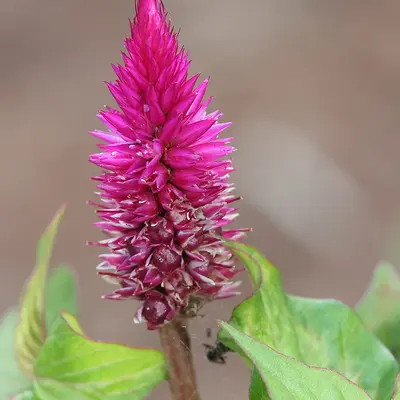
Wikimedia Commons via Celosia
Productive plants produce sturdy stems with 2-4" clusters of flower spikes. Blooms tuck neatly into bouquets and add a touch of sparkle. Plants flower slightly earlier and are slightly shorter than some of the other colors in the Celway series. Similar to Ruby Parfait in bloom color and size, though Celway Purple flowers later on taller plants and sturdier stems. To encourage increased stem production and branching, pinching is recommended at seedling stage, when about 6" in height. Raw seeds, not film-coated.
Harvest
90-100d
Days to harvest
Sun
Full sun
Zones
10–11
USDA hardiness
Height
9-18 inches
Planting Timeline
Showing dates for Celway™ Purple in USDA Zone 7
All Zone 7 flower →Zone Map
Click a state to update dates
Celway™ Purple · Zones 10–11
Growing Details
Succession Planting
Celosia is a warm-season annual grown for a single flush of spikes per plant, but you can stagger your harvest window across the season with two or three sowings. Start the first batch indoors in February or March, transplant after last frost in April or May, and you'll be cutting by midsummer. Put a second round directly in the ground in late May or early June for late-summer and fall cuts. Stop direct sowing once daytime highs are running consistently above 90°F — germination rates fall off sharply and seedlings tend to sit and sulk rather than establish.
Each plant throws a central spike first, then smaller laterals after you cut it. Harvesting when the spike is about two-thirds open — not fully blown — pushes the plant to branch and gives you several more weeks of cuts from a single transplant. Succession planting and regular cutting work together; skip one and you're leaving yield on the table.
Complete Growing Guide
Productive plants produce sturdy stems with 2-4" clusters of flower spikes. Blooms tuck neatly into bouquets and add a touch of sparkle. Plants flower slightly earlier and are slightly shorter than some of the other colors in the Celway series. Similar to Ruby Parfait in bloom color and size, though Celway Purple flowers later on taller plants and sturdier stems. To encourage increased stem production and branching, pinching is recommended at seedling stage, when about 6" in height. Raw seeds, not film-coated. According to Johnny's Selected Seeds, Celway™ Purple is 90 - 100 days to maturity, annual, open pollinated. Notable features: Use for Cut Flowers and Bouquets, Ideal for Drying and Crafts.
Light: Full sun (6 or more hours of direct sunlight a day). Soil: High Organic Matter, Loam (Silt), Sand. Soil pH: Neutral (6.0-8.0). Drainage: Good Drainage, Occasionally Dry. Height: 0 ft. 9 in. - 1 ft. 6 in.. Spread: 0 ft. 9 in. - 1 ft. 0 in.. Spacing: 12 inches-3 feet. Growth rate: Rapid. Maintenance: Low. Propagation: Seed. Regions: Coastal, Piedmont.
Harvesting
Celway™ Purple reaches harvest at 90 - 100 days from sowing per Johnny's Selected Seeds. Expect 2-4" at peak. As an annual, harvest continues until frost ends the season.
Smooth, glossy, shiny capsule contain many seeds
Color: Black. Type: Capsule.
Edibility: The leaves and young shoots are cooked and used in soups and stews. The seeds yield edible oil.
Storage & Preservation
For fresh storage, cut Celway Purple flowers in early morning when stems are fully hydrated and place immediately in cool water indoors at 65-72°F. Keep out of direct sunlight and away from ripening fruit. Change water every 2-3 days and recut stems at an angle. Vase life typically lasts 7-10 days. For preservation, air-dry bundles upside-down in a cool, dark, well-ventilated space for 2-3 weeks to create long-lasting dried arrangements. Alternatively, press individual flower spikes between parchment paper under weight for 2-4 weeks for flat botanical displays, or preserve in silica gel for 5-7 days to maintain color and shape.
History & Origin
Celway™ Purple is open-pollinated, meaning seed saved from healthy plants will produce true-to-type offspring. Listed in the Johnny's Selected Seeds catalog.
Origin: Tropical Africa
Advantages
- +Sturdy stems support 2-4 inch flower clusters reliably in bouquets
- +Blooms earlier than other Celway series colors with shorter habit
- +Sparkly purple flowers add distinctive visual interest to fresh arrangements
- +Easy cultivation makes this variety suitable for beginner growers
- +Raw seeds allow cost-effective propagation without film-coating expense
Considerations
- -Requires pinching at 6 inches tall to maximize branching and stem production
- -Raw seeds need careful moisture management during germination and early growth
- -Flowers later than Ruby Parfait despite similar bloom color and size
Companion Plants
Marigolds (Tagetes patula specifically) earn their place next to celosia for two reasons: their root secretions suppress soil nematodes, and planted as a border they slow aphid movement into the bed. That matters because aphids are the main vector for viruses like Cucumber mosaic virus that distort celosia spikes — the symptom you most want to avoid in a cutting-flower planting. Zinnias and Cosmos add to that by pulling parasitic wasps and hoverflies into the area, insects that feed on aphids and small caterpillars without any help from you.
Sweet Alyssum is worth tucking at the base of taller celosia stems. It tops out under 6 inches, doesn't compete for light, and keeps pumping nectar for beneficial insects across the whole season. Nasturtiums are useful in a different way — aphids preferentially colonize them over most other plants, so a few nasturtium plants nearby can act as a trap crop, pulling pressure away from your spikes.
The three to avoid are Black Walnut, Eucalyptus, and Fennel. Black Walnut produces juglone from its roots and will stunt or kill celosia planted within its root zone — and that zone extends well past the canopy edge. Eucalyptus has similar issues with allelopathic leaf litter and root chemistry. Fennel is broadly antagonistic to neighboring annuals regardless of genus, so it has no business in a cutting-flower bed at all.
Plant Together
Marigold
Repels nematodes and aphids while attracting beneficial insects
Nasturtium
Acts as trap crop for aphids and cucumber beetles, adds ground cover
Sweet Alyssum
Attracts beneficial insects like parasitic wasps and provides living mulch
Zinnia
Attracts pollinators and beneficial predatory insects
Cosmos
Attracts butterflies and beneficial insects while providing complementary colors
Lavender
Repels pests with strong fragrance and attracts pollinators
Catmint
Deters ants, aphids, and rodents while attracting beneficial pollinators
Sage
Repels cabbage moths and carrot flies with aromatic compounds
Keep Apart
Black Walnut
Produces juglone toxin that inhibits growth of many flowering plants
Eucalyptus
Releases allelopathic compounds that can stunt nearby plant growth
Fennel
Inhibits growth of most garden plants through allelopathic root secretions
Troubleshooting Celway™ Purple
What you'll see, why it happens, and what to do about it.
Seedlings damping off at soil level — stem pinches to a thread and the plant topples over within the first 2-3 weeks
Likely Causes
- Pythium or Rhizoctonia fungi thriving in overly wet, poorly draining germination mix
- Trays kept too cool (below 70°F) slowing growth while fungal pressure builds
What to Do
- 1.Start seeds in a sterile, well-draining seedling mix — not garden soil or old potting mix
- 2.Keep the germination tray at 75-80°F and water from the bottom to keep the surface drier
- 3.If damping off appears, pull affected seedlings immediately and stop overhead watering
Leaves stippled silver or bronze with tiny moving dots on the undersides, especially in hot dry stretches
Likely Causes
- Two-spotted spider mite (Tetranychus urticae) — thrives when temps push above 85°F and humidity drops
What to Do
- 1.Blast the undersides of leaves with a strong stream of water for several days running
- 2.Apply insecticidal soap or neem oil in the early morning, covering leaf undersides thoroughly — repeat every 5-7 days
- 3.Keep plants adequately watered; drought-stressed celosia is more susceptible to mite outbreaks
Flower spikes and stem tips distorted or stunted, with streaked coloration and no obvious insect visible
Likely Causes
- Thrips (Frankliniella occidentalis) feeding inside developing flower buds
- Cucumber mosaic virus (CMV) or another aphid-vectored virus, if distortion spans the whole plant and new growth looks puckered
What to Do
- 1.Check buds closely with a hand lens for thrips — straw-colored, fast-moving insects about 1mm long
- 2.Remove and bag heavily distorted spikes to reduce spread; knock back nearby aphid populations to cut virus transmission risk
- 3.Spinosad-based sprays reduce thrips pressure; apply at dusk to avoid harming pollinators
Frequently Asked Questions
How long do Celway Purple cut flowers last in a vase?▼
Is Celway Purple a good choice for beginner flower growers?▼
Can you grow Celway Purple flowers in containers?▼
When should I plant Celway Purple seeds?▼
Do Celway Purple flowers need pinching to produce more stems?▼
What makes Celway Purple different from Ruby Parfait flowers?▼
Zone-by-Zone Planting Calendar
| Zone | Indoor Start | Transplant | Direct Sow | Harvest |
|---|---|---|---|---|
| Zone 1 | May – June | July – August | July – September | — |
| Zone 2 | April – May | June – July | June – August | — |
| Zone 11 | January – January | January – February | January – March | — |
| Zone 12 | January – January | January – February | January – March | — |
| Zone 13 | January – January | January – February | January – March | — |
| Zone 3 | April – May | June – July | June – August | — |
| Zone 4 | March – April | June – June | June – July | — |
| Zone 5 | March – April | May – June | May – July | — |
| Zone 6 | March – April | May – June | May – July | — |
| Zone 7 | February – March | April – May | April – June | — |
| Zone 8 | February – March | April – May | April – June | — |
| Zone 9 | January – February | March – April | March – May | — |
| Zone 10 | January – January | February – March | February – April | — |
Growing Guides from Wind River Greens
Sources & References
External authority sources used in compiling this guide.
- BreederJohnny's Selected Seeds
See the Methodology page for how this data is sourced, what's AI-assisted, and known limitations.