QIS™ Carmine
Gomphrena haageana
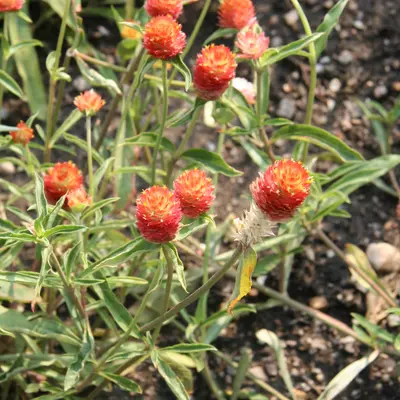
Glowing, 1 1/2" carmine blooms on long stems. This uncommon color is unique to the QIS™ (Quality in Seed) Series. Also known as globe amaranth and Rio Grande globe amaranth.
Harvest
85-100d
Days to harvest
Sun
Full sun
Zones
1–11
USDA hardiness
Height
18-24 inches
Planting Timeline
Showing dates for QIS™ Carmine in USDA Zone 7
All Zone 7 flower →Zone Map
Click a state to update dates
QIS™ Carmine · Zones 1–11
Growing Details
Succession Planting
Gomphrena haageana blooms continuously from a single planting — you don't need to stagger sowings the way you would with lettuce or radishes. Start seeds indoors 6–8 weeks before your last frost (late February to early March in zone 7), transplant after soil temps hold above 60°F, and the plants will carry you through until first frost, typically 85–100 days from transplant to first cut flower.
If you're growing for a cut-flower operation and want a fresh wave as the first planting thins out, sow a second batch indoors in late April and transplant in June. Stop any succession planting at least 100 days before your first expected fall frost — Gomphrena needs the full run to reach peak bloom, and a half-bloomed plant going into cold weather isn't worth the bed space.
Complete Growing Guide
Glowing, 1 1/2" carmine blooms on long stems. This uncommon color is unique to the QIS™ (Quality in Seed) Series. Also known as globe amaranth and Rio Grande globe amaranth. According to Johnny's Selected Seeds, QIS™ Carmine is 85 - 100 days to maturity, annual, open pollinated. Notable features: Grows Well in Containers, Use for Cut Flowers and Bouquets, Ideal for Drying and Crafts.
Light: Vegetable, Herb and Mostly Native Pollinator Garden Cabarrus County Poolside Garden. Drainage: Good Drainage, Occasionally Dry. Height: gom-FREE-nah glo-BOH-sa. Spread: gom-FREE-nah glo-BOH-sa. Growth rate: Medium. Maintenance: Low. Propagation: Seed. Regions: Coastal, Mountains, Piedmont.
Harvesting
QIS™ Carmine reaches harvest at 85 - 100 days from sowing per Johnny's Selected Seeds. Expect 1 1/2" at peak. As an annual, harvest continues until frost ends the season.
This is an ornamental variety — not grown for harvest. Enjoy in the garden landscape.
Storage & Preservation
QIS® Carmine flowers are best enjoyed fresh and should be displayed in a vase with cool, clean water at room temperature (65-70°F) away from direct sunlight and ripening fruit. They do not require refrigeration and last 1-2 weeks with water changes every 2-3 days. For preservation, air-dry stems by hanging upside-down in a well-ventilated, dark space (2-3 weeks for long-lasting dried arrangements). Alternatively, press individual blooms between book pages for 4-6 weeks, or use silica gel to preserve color and shape within 5-7 days.
History & Origin
QIS™ Carmine is open-pollinated, meaning seed saved from healthy plants will produce true-to-type offspring. Listed in the Johnny's Selected Seeds catalog.
Mexico to Brazil
Advantages
- +Striking carmine color is exclusive to QIS™ Series
- +Long stems ideal for cutting and floral arrangements
- +Blooms reliably in 85-100 days from seed
- +Globe amaranth thrives in hot, dry conditions
- +Easy to grow makes it perfect for beginners
Considerations
- -Requires warm soil; struggles if planted too early
- -Gomphrena can attract spider mites in dry climates
- -Seed germination needs consistent warmth and moisture
Companion Plants
Marigolds and sweet alyssum are the most useful companions here. Tagetes patula specifically deters thrips and aphids through scent compounds in its foliage — relevant because aphids can colonize Gomphrena fast in warm weather. Sweet alyssum draws in parasitic wasps and hoverflies that lay eggs directly on aphid colonies, and it tops out at 4–6 inches so it won't shade out the Gomphrena. Nasturtiums pull double duty as a trap crop, concentrating aphids on leaves you can pinch off and discard rather than lose the main planting.
Black walnut is the clearest plant to avoid. Its roots and decomposing leaf litter release juglone, a compound that disrupts cellular respiration in sensitive plants — Gomphrena doesn't need to be right underneath a walnut to suffer, since juglone moves through soil with water. Fennel is a different problem: allelopathic root exudates from Foeniculum vulgare suppress growth in nearby annuals, and it tends to be a poor neighbor in mixed beds regardless of what you're growing alongside it.
Plant Together
Marigolds
Repel nematodes and aphids while attracting beneficial insects
Sweet Alyssum
Attracts beneficial insects like lacewings and provides ground cover
Nasturtiums
Act as trap crop for aphids and cucumber beetles
Petunias
Repel tomato hornworms, aphids, and asparagus beetles
Zinnias
Attract beneficial pollinators and predatory insects
Cosmos
Attract beneficial insects and provide nectar for pollinators
Lavender
Repels moths, fleas, and mosquitoes with aromatic oils
Catmint
Deters ants, aphids, and rodents while attracting beneficial insects
Keep Apart
Black Walnut
Produces juglone toxin that inhibits growth of many flowering plants
Eucalyptus
Releases allelopathic compounds that suppress nearby plant growth
Fennel
Inhibits growth of most garden plants through allelopathic effects
Pests & Disease Resistance
Common Pests
Spider mites, whiteflies, aphids
Diseases
Root rot, powdery mildew
Troubleshooting QIS™ Carmine
What you'll see, why it happens, and what to do about it.
Fine webbing on undersides of leaves, foliage looking dull or stippled, especially in hot dry stretches
Likely Causes
- Two-spotted spider mite (Tetranychus urticae) — thrives when temperatures push above 85°F and humidity drops
- Dusty or stressed plants are more susceptible
What to Do
- 1.Blast the undersides of leaves with a strong stream of water for 3–4 consecutive days to knock mite populations down
- 2.Apply insecticidal soap or neem oil in the early morning so it doesn't burn foliage — repeat every 5–7 days
- 3.Keep plants well-watered during heat waves; stressed plants attract mites faster
Tiny white insects flying up when you brush the plant, with sticky residue and yellowing on upper leaves
Likely Causes
- Silverleaf whitefly (Bemisia tabaci) or greenhouse whitefly (Trialeurodes vaporariorum) — both feed on phloem sap and excrete honeydew
- Dense plantings with poor airflow concentrate populations quickly
What to Do
- 1.Hang yellow sticky traps at canopy height to monitor and reduce adult populations
- 2.Spray insecticidal soap directly on the undersides of leaves where nymphs cluster — do this in the evening to avoid burning
- 3.Space plants at least 12 inches apart to improve airflow and make the environment less hospitable
White powdery coating on upper leaf surfaces, usually appearing in late summer or when nights cool down
Likely Causes
- Powdery mildew (Erysiphe or Golovinomyces spp.) — spreads by airborne spores and doesn't need wet leaves to get started
- Crowded planting or low airflow
What to Do
- 1.Remove and trash (not compost) heavily affected leaves immediately
- 2.Spray with a diluted baking soda solution (1 tablespoon per gallon of water with a few drops of liquid soap) or a potassium bicarbonate product
- 3.Space plants no closer than 12 inches and avoid overhead watering in the evening
Wilting despite moist soil, stems turning dark or mushy at the base, plant collapsing over 3–5 days
Likely Causes
- Root rot caused by Pythium or Phytophthora spp. — almost always triggered by waterlogged soil or poorly draining containers
- Overwatering seedlings indoors before transplant
What to Do
- 1.Pull the plant and inspect the roots — brown and mushy rather than white and firm confirms root rot; discard the plant, don't compost it
- 2.Amend the bed with coarse perlite or grit to improve drainage before replanting
- 3.Water only when the top inch of soil is dry; Gomphrena punishes overwatering more than underwatering once it's established
Frequently Asked Questions
How long do QIS® Carmine flowers last in a vase?▼
Can you grow QIS® Carmine flowers in containers?▼
Is QIS® Carmine a good flower variety for beginners?▼
When should I plant QIS® Carmine seeds?▼
What makes QIS® Carmine different from other globe amaranth varieties?▼
How should I harvest QIS® Carmine flowers for cutting?▼
Zone-by-Zone Planting Calendar
| Zone | Indoor Start | Transplant | Direct Sow | Harvest |
|---|---|---|---|---|
| Zone 3 | April – May | June – July | June – August | — |
| Zone 4 | March – April | June – June | June – July | — |
| Zone 5 | March – April | May – June | May – July | — |
| Zone 6 | March – April | May – June | May – July | — |
| Zone 7 | February – March | April – May | April – June | — |
| Zone 8 | February – March | April – May | April – June | — |
| Zone 9 | January – February | March – April | March – May | — |
| Zone 10 | January – January | February – March | February – April | — |
| Zone 1 | May – June | July – August | July – September | — |
| Zone 2 | April – May | June – July | June – August | — |
| Zone 11 | January – January | January – February | January – March | — |
| Zone 12 | January – January | January – February | January – March | — |
| Zone 13 | January – January | January – February | January – March | — |
Growing Guides from Wind River Greens
Sources & References
External authority sources used in compiling this guide.
- BreederJohnny's Selected Seeds
See the Methodology page for how this data is sourced, what's AI-assisted, and known limitations.