Pampas Plume
Celosia argentea plumosa
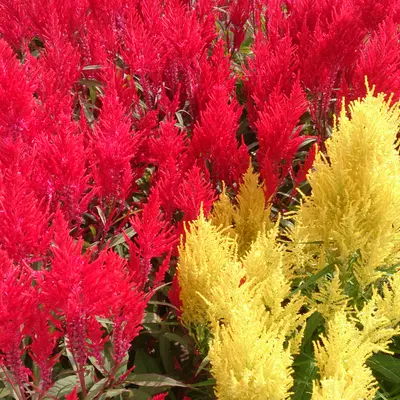
Masses of soft, feathery, 2-6" long plumes in scarlet, orange, bright yellow, pink, cream. Multi-branching plants produce 10-14 stems each. Also known as cockscomb, Prince of Wales feather, and prince feather.
Harvest
90-95d
Days to harvest
Sun
Full sun
Zones
10–11
USDA hardiness
Height
9-18 inches
Planting Timeline
Showing dates for Pampas Plume in USDA Zone 7
All Zone 7 flower →Zone Map
Click a state to update dates
Pampas Plume · Zones 10–11
Growing Details
Complete Growing Guide
Masses of soft, feathery, 2-6" long plumes in scarlet, orange, bright yellow, pink, cream. Multi-branching plants produce 10-14 stems each. Also known as cockscomb, Prince of Wales feather, and prince feather. According to Johnny's Selected Seeds, Pampas Plume is 90 - 95 days to maturity, annual, open pollinated. Notable features: Easy Choice, Use for Cut Flowers and Bouquets, Ideal for Drying and Crafts.
Light: Full sun (6 or more hours of direct sunlight a day). Soil: High Organic Matter, Loam (Silt), Sand. Soil pH: Neutral (6.0-8.0). Drainage: Good Drainage, Occasionally Dry. Height: 0 ft. 9 in. - 1 ft. 6 in.. Spread: 0 ft. 9 in. - 1 ft. 0 in.. Spacing: 12 inches-3 feet. Growth rate: Rapid. Maintenance: Low. Propagation: Seed. Regions: Coastal, Piedmont.
Harvesting
Pampas Plume reaches harvest at 90 - 95 days from sowing per Johnny's Selected Seeds. Expect 2-6" at peak. As an annual, harvest continues until frost ends the season.
Smooth, glossy, shiny capsule contain many seeds
Color: Black. Type: Capsule.
Edibility: The leaves and young shoots are cooked and used in soups and stews. The seeds yield edible oil.
Storage & Preservation
For fresh arrangements, store Pampas Plume in a cool room (65-72°F) or in the refrigerator (35-40°F) with moderate humidity. Cut stems last 2-3 weeks in water. For long-term preservation, air-dry plumes by hanging bunches upside-down in a warm, dark, well-ventilated space for 10-14 days—they retain color and texture excellently. Alternatively, glycerin-preserve stems by absorbing a glycerin solution, which maintains flexibility and color for months. For extended storage, keep dried plumes in airtight containers away from moisture and direct sunlight; they remain viable for 1-2 years.
History & Origin
Pampas Plume is open-pollinated, meaning seed saved from healthy plants will produce true-to-type offspring. Listed in the Johnny's Selected Seeds catalog.
Origin: Tropical Africa
Advantages
- +Produces abundant feathery plumes in vibrant, eye-catching color varieties
- +Multi-branching structure yields 10-14 stems per plant efficiently
- +Soft plumes last exceptionally long in fresh flower arrangements
- +Quick 90-95 day maturity allows multiple succession plantings annually
- +Easy cultivation makes it ideal for beginner flower growers
Considerations
- -Plumes attract spider mites and aphids in hot, dry conditions
- -Requires consistent moisture; drought stress causes premature flower abortion
- -Tall stems need sturdy staking support to prevent wind damage
Companion Plants
The best companions for Pampas Plume are plants that share its preference for full sun, lean-to-moderate soil, and good drainage — which rules out a lot of the shade-and-moisture crowd right away. Ornamental Sage, Lavender, and Russian Sage all fit that profile: they want 6+ hours of sun, handle dry spells once established, and their upright or mounding habits don't crowd celosia's plumes. Fountain Grass and Ornamental Millet work similarly well — same cultural needs, and the contrast between feathery grass heads and dense celosia plumes looks genuinely deliberate without either plant fighting the other for water or root space.
Black-Eyed Susan and Purple Coneflower round out a pollinator-friendly planting and hit their stride on roughly the same summer schedule as Pampas Plume, which means you're not carrying dead space in the bed waiting for a straggler to catch up. Sedum is worth mentioning specifically because its flat flower heads and low profile sit well in front of celosia's vertical habit — good layering without any competition underground, since sedum roots stay shallow.
The problem with Hostas, Ferns, and Impatiens isn't allelopathy — it's a flat mismatch in what these plants need day-to-day. All three want shade and consistently moist soil. Put them next to Pampas Plume and either the celosia sits in ground kept too wet (Pythium risk again), or the shade-lovers get scorched. Separate beds fix it entirely.
Plant Together
Fountain Grass
Similar water and soil requirements, creates layered ornamental grass display
Black-Eyed Susan
Contrasting flower colors and forms, both drought tolerant once established
Purple Coneflower
Attracts beneficial insects, complementary heights and seasonal interest
Ornamental Sage
Similar sun and drainage needs, provides contrasting texture and color
Sedum
Low maintenance groundcover, helps suppress weeds around pampas grass base
Russian Sage
Drought tolerant, silvery foliage complements pampas plumes, similar growing conditions
Lavender
Repels pests, requires similar well-drained soil and full sun conditions
Ornamental Millet
Provides seasonal interest and texture contrast while sharing similar cultural needs
Keep Apart
Hostas
Requires moist, shaded conditions that conflict with pampas grass sun and drainage needs
Ferns
Prefers consistently moist soil and partial shade, opposite of pampas grass requirements
Impatiens
Needs regular watering and shade, will struggle in pampas grass's dry, sunny environment
Pests & Disease Resistance
Common Pests
Aphids, spider mites, whiteflies
Diseases
Leaf spot, root rot in poorly drained soil
Troubleshooting Pampas Plume
What you'll see, why it happens, and what to do about it.
Leaves stippled silver or bronze, with fine webbing on undersides — usually mid-summer when it's hot and dry
Likely Causes
- Spider mites (Tetranychus urticae) — thrive in hot, dusty, low-humidity conditions
- Drought stress making the plant a more attractive target
What to Do
- 1.Blast the undersides of leaves with a strong stream of water every 2-3 days — it physically knocks mites off and they rarely recover
- 2.Keep soil consistently moist; a plant already stressed by drought draws mites faster than one that isn't
- 3.If the infestation is heavy, apply insecticidal soap or neem oil in the evening — midday application burns foliage
Stems turning brown and mushy at the soil line, plant collapsing despite regular watering
Likely Causes
- Root rot caused by Pythium or Rhizoctonia — both thrive in waterlogged, poorly drained soil
- Planting in a low spot where water pools after rain
What to Do
- 1.Pull the affected plant — there's no saving a celosia once the crown has rotted through
- 2.Amend the bed with coarse sand or perlite before replanting, or build a raised row to improve drainage
- 3.Water in the morning at the base, not overhead, so the crown stays dry through the night
Frequently Asked Questions
How long do Pampas Plume flowers last in a vase?▼
Is Pampas Plume a good flower for beginners?▼
Can you grow Pampas Plume in containers?▼
When should I plant Pampas Plume seeds?▼
What colors do Pampas Plume flowers come in?▼
How do I dry Pampas Plume for arrangements?▼
Zone-by-Zone Planting Calendar
| Zone | Indoor Start | Transplant | Direct Sow | Harvest |
|---|---|---|---|---|
| Zone 1 | May – June | July – August | July – September | — |
| Zone 2 | April – May | June – July | June – August | — |
| Zone 11 | January – January | January – February | January – March | — |
| Zone 12 | January – January | January – February | January – March | — |
| Zone 13 | January – January | January – February | January – March | — |
| Zone 3 | April – May | June – July | June – August | — |
| Zone 4 | March – April | June – June | June – July | — |
| Zone 5 | March – April | May – June | May – July | — |
| Zone 6 | March – April | May – June | May – July | — |
| Zone 7 | February – March | April – May | April – June | — |
| Zone 8 | February – March | April – May | April – June | — |
| Zone 9 | January – February | March – April | March – May | — |
| Zone 10 | January – January | February – March | February – April | — |
Growing Guides from Wind River Greens
Sources & References
External authority sources used in compiling this guide.
- BreederJohnny's Selected Seeds
See the Methodology page for how this data is sourced, what's AI-assisted, and known limitations.