Zanzibar
Carthamus tinctorius
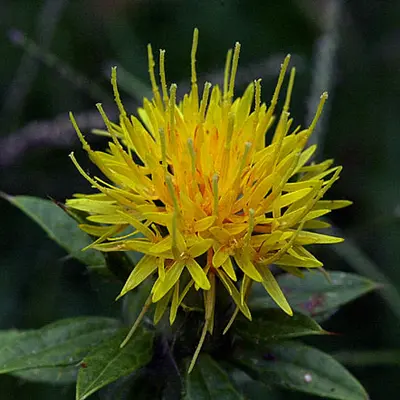
Sturdy, straight stems and branching flower clusters store well and can be used fresh or dried. Stems are easily air-dried for arrangements. Fresh, dark green foliage and geometric buds add structure to mixed bouquets. Great in combination with sunflowers. This strain is nearly thornless for easy harvest. Tufted thistle-like flowers with oval leaves. Fiery orange-and-gold petals are edible and sometimes used as a substitute for saffron. Also known as safflower.
Harvest
70-80d
Days to harvest
Sun
Full sun
Zones
1–11
USDA hardiness
Height
2.5-4 feet
Planting Timeline
Showing dates for Zanzibar in USDA Zone 7
All Zone 7 flower →Zone Map
Click a state to update dates
Zanzibar · Zones 1–11
Growing Details
Succession Planting
Safflower blooms once per stem and doesn't rebound the way a cut-and-come-again zinnia does, but you can stagger your harvest window with two or three small sowings. Direct sow a first round in April, then a second in mid-May (zone 7); that spreads your bloom flush across roughly 4–6 weeks instead of having everything ripen at once. Don't push a third sowing past early June — Zanzibar needs 70–80 days to flower, and plants started too late will be racing the heat rather than finishing clean.
Skip indoor starts if you can. Safflower has a taproot that resents transplanting, and direct-sown plants typically catch up to transplants within two weeks anyway.
Complete Growing Guide
Growing Zanzibar (Carthamus tinctorius) flower. Light: Full sun. Hardy in USDA zones 1 to 11. Days to maturity: 70. Difficulty: Easy.
Harvesting
Zanzibar reaches harvest at 70 - 80 days from sowing per Johnny's Selected Seeds. As an annual, harvest continues until frost ends the season.
This is an ornamental variety — not grown for harvest. Enjoy in the garden landscape.
Storage & Preservation
For fresh Zanzibar flowers, store stems in a cool location (65-70°F) with high humidity, away from direct sunlight and ripening fruit. Keep in a clean vase with fresh water, changing water every 2-3 days; stems last 7-14 days. For preservation: (1) Air-dry by hanging bundles upside-down in a well-ventilated, dark space for 2-3 weeks for long-lasting arrangements. (2) Press individual flowers between parchment paper under weight for 1-2 weeks for flat botanical displays. (3) Dry in a dehumidifier or oven on low heat (120-150°F) for 4-6 hours for faster drying while retaining color.
History & Origin
Safflower, also false saffron, is a highly branched, herbaceous, thistle-like annual plant in the family Asteraceae. It is one of the world's oldest crops; today, it is commercially cultivated for vegetable oil extracted from the seeds. Plants are 30 to 150 cm tall with globular flower heads having yellow, orange, or red flowers. Each branch will usually have from one to five flower heads containing 15 to 20 seeds per head. Safflower is native to arid environments having seasonal rain. It grows a deep taproot which enables it to thrive in such environments.
Advantages
- +Nearly thornless stems make harvesting and handling remarkably easy and safe.
- +Sturdy straight stems with excellent vase life work fresh or dried.
- +Fiery orange-gold edible petals offer culinary and decorative dual-purpose appeal.
- +Geometric buds and dark foliage add unique structure to mixed arrangements.
- +Reliable 70-80 day maturity and easy growing difficulty suit most gardeners.
Considerations
- -Requires well-draining soil or susceptible to root rot and fungal issues.
- -Flowers attract aphids and spider mites requiring regular pest monitoring.
- -Limited color range constrains design options for adventurous flower arrangers.
Companion Plants
Marigolds and nasturtiums are worth planting closest to Zanzibar safflower. Tagetes patula deters aphids through scent and draws in predatory wasps that knock back spider mite populations — both pests NC State Extension flags for safflower. Nasturtiums work as a trap crop, pulling aphids onto their own soft stems and off your safflower heads before the buds open. Alyssum and cosmos fill a similar insectary role with shallow roots that don't compete with safflower's taproot the way a heavy feeder would.
Black walnut is the plant to keep at a serious distance — juglone moves through the soil and stunts or kills a wide range of annuals, safflower included, often with no clear warning until plants just fail to thrive. Eucalyptus puts out comparable growth-inhibiting compounds through leaf litter and root exudate. Sunflowers draw on the same soil depth and nutrient pool as safflower; plant them on the south side and they'll shade out your crop before it ever hits 70 days.
Plant Together
Marigolds
Repel nematodes and aphids while attracting beneficial insects
Nasturtiums
Act as trap crops for aphids and cucumber beetles
Petunias
Repel aphids, tomato hornworms, and squash bugs
Alyssum
Attracts beneficial insects like hoverflies and parasitic wasps
Zinnia
Attracts pollinators and beneficial predatory insects
Cosmos
Attracts beneficial insects and provides complementary height structure
Catnip
Repels mosquitoes, ants, and aphids through natural compounds
Lavender
Repels moths, fleas, and mosquitoes while attracting pollinators
Keep Apart
Black Walnut
Produces juglone which is toxic to many flowering plants
Eucalyptus
Releases allelopathic compounds that inhibit growth of nearby plants
Sunflowers
Can inhibit growth through allelopathy and compete aggressively for nutrients
Pests & Disease Resistance
Common Pests
Aphids, spider mites, seed flies
Diseases
Powdery mildew, root rot in overly wet soil
Troubleshooting Zanzibar
What you'll see, why it happens, and what to do about it.
Leaves coated in white powdery patches, usually starting on upper leaf surfaces around mid-summer
Likely Causes
- Powdery mildew (Erysiphe cichoracearum) — favored by warm days, cool nights, and poor airflow between plants
- Crowded spacing under 12 inches that traps humidity around foliage
What to Do
- 1.Strip badly affected leaves and bin them — don't compost
- 2.Spray remaining foliage with a diluted baking soda solution (1 tablespoon per gallon of water) every 7 days until symptoms stop spreading
- 3.Next season, keep spacing at 15–18 inches and avoid overhead watering in the evening
Plants wilting and yellowing at the base despite adequate soil moisture, sometimes with dark discoloration at the crown
Likely Causes
- Root rot — most often Pythium or Phytophthora species triggered by consistently waterlogged soil
- Heavy clay soil or a low spot in the bed that doesn't drain after rain
What to Do
- 1.Pull and discard affected plants; don't replant safflower in that spot this season
- 2.Amend the bed with coarse perlite or pine bark fines before next planting to open up drainage
- 3.Direct sow into raised rows so water sheds away from the crown — safflower handles dry spells fine once roots are established, so err on the dry side
Frequently Asked Questions
How long do Zanzibar flowers last in a vase?▼
Is Zanzibar a good flower for beginners?▼
When should I plant Zanzibar flowers?▼
Can you use Zanzibar petals as a saffron substitute?▼
How do you dry Zanzibar flowers for arrangements?▼
What container size is needed to grow Zanzibar flowers?▼
Zone-by-Zone Planting Calendar
| Zone | Indoor Start | Transplant | Direct Sow | Harvest |
|---|---|---|---|---|
| Zone 3 | April – May | June – July | June – August | — |
| Zone 4 | March – April | June – June | June – July | — |
| Zone 5 | March – April | May – June | May – July | — |
| Zone 6 | March – April | May – June | May – July | — |
| Zone 7 | February – March | April – May | April – June | — |
| Zone 8 | February – March | April – May | April – June | — |
| Zone 9 | January – February | March – April | March – May | — |
| Zone 10 | January – January | February – March | February – April | — |
| Zone 1 | May – June | July – August | July – September | — |
| Zone 2 | April – May | June – July | June – August | — |
| Zone 11 | January – January | January – February | January – March | — |
| Zone 12 | January – January | January – February | January – March | — |
| Zone 13 | January – January | January – February | January – March | — |
Growing Guides from Wind River Greens
Sources & References
External authority sources used in compiling this guide.
- BreederJohnny's Selected Seeds
See the Methodology page for how this data is sourced, what's AI-assisted, and known limitations.