Sunday™ Gold
Celosia argentea plumosa
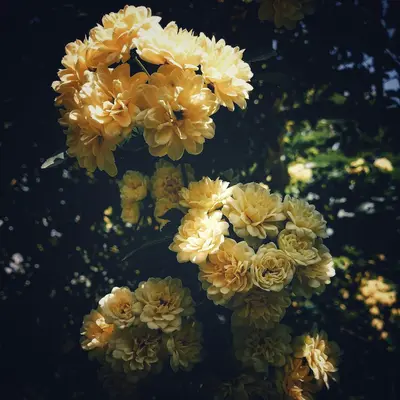
Uniform, productive plants. 4-8" long, bright golden-yellow, feathery spikes on long stems. Rich color complements high-summer and autumn arrangements. Raw, uncoated seed.
Harvest
85-90d
Days to harvest
Sun
Full sun
Zones
10–11
USDA hardiness
Height
9-18 inches
Planting Timeline
Showing dates for Sunday™ Gold in USDA Zone 7
All Zone 7 flower →Zone Map
Click a state to update dates
Sunday™ Gold · Zones 10–11
Growing Details
Succession Planting
Sunday Gold blooms once per stem and holds — you won't get a second flush off the same plant. Staggered sowings are the only way to stretch your harvest window. Start seeds indoors 6-8 weeks before your last frost date, then direct-sow or transplant a second round about 3-4 weeks later. Stop sowing by late June; anything started after that won't clock enough warm days to hit the 85-90 day mark before cooler nights slow growth to a crawl.
If you're growing for cut flowers rather than just border color, the staggering matters more than you'd think. One round every 3-4 weeks from late winter through early summer will give you plumes coming in from midsummer through first frost instead of one big flush that's over in three weeks.
Complete Growing Guide
Uniform, productive plants. 4-8" long, bright golden-yellow, feathery spikes on long stems. Rich color complements high-summer and autumn arrangements. Raw, uncoated seed. According to Johnny's Selected Seeds, Sunday™ Gold is 85 - 90 days to maturity, annual, open pollinated. Notable features: Use for Cut Flowers and Bouquets, Ideal for Drying and Crafts, Attracts Beneficial Insects.
Light: Full sun (6 or more hours of direct sunlight a day). Soil: High Organic Matter, Loam (Silt), Sand. Soil pH: Neutral (6.0-8.0). Drainage: Good Drainage, Occasionally Dry. Height: 0 ft. 9 in. - 1 ft. 6 in.. Spread: 0 ft. 9 in. - 1 ft. 0 in.. Spacing: 12 inches-3 feet. Growth rate: Rapid. Maintenance: Low. Propagation: Seed. Regions: Coastal, Piedmont.
Harvesting
Sunday™ Gold reaches harvest at 85 - 90 days from sowing per Johnny's Selected Seeds. Expect 4-8" at peak. As an annual, harvest continues until frost ends the season.
Smooth, glossy, shiny capsule contain many seeds
Color: Black. Type: Capsule.
Edibility: The leaves and young shoots are cooked and used in soups and stews. The seeds yield edible oil.
Storage & Preservation
Sunday™ Gold celosia flowers are best stored in a cool location on the counter or in the refrigerator at 35-40°F with moderate humidity to extend vase life 1-2 weeks. For long-term preservation, hang-dry the feathery spikes in a dark, well-ventilated space for dried floral arrangements that last months. Alternatively, press individual flowers between parchment paper for botanical crafts, or freeze-dry using silica gel to maintain vibrant color. Store dried arrangements in airtight containers away from direct light.
History & Origin
Sunday™ Gold is open-pollinated, meaning seed saved from healthy plants will produce true-to-type offspring. Listed in the Johnny's Selected Seeds catalog.
Origin: Tropical Africa
Advantages
- +Bright golden-yellow color makes stunning high-summer and autumn floral arrangements
- +Uniform plants produce consistently sized 4-8" feathery spikes on long stems
- +85-90 day maturity fits well within most growing seasons
- +Easy difficulty level makes it suitable for beginning gardeners
- +Raw uncoated seed reduces packaging waste and storage space
Considerations
- -Feathery spikes can shatter or shed if handled roughly during harvest
- -Requires consistently moist soil; drought stress causes premature flowering and smaller spikes
- -Long stems may need staking in windy locations to prevent lodging
Companion Plants
Marigolds, Alyssum, and Nasturtiums are the companions worth thinking about seriously here. Tagetes patula in particular deters aphids and whiteflies that can show up on celosia foliage, and both plants want identical conditions — full sun, warm soil, regular water — so there's no resource tug-of-war. Alyssum stays at 6-8 inches, well below the celosia canopy, and its small flowers draw parasitic wasps (Braconidae family) that take out soft-bodied pests before populations build. Nasturtiums work as a trap crop: aphids will pack onto them first, which keeps pressure off everything else nearby.
Black Walnut, Eucalyptus, and Fennel are the ones to skip. Black Walnut roots and decomposing hulls release juglone — a compound toxic enough to kill tomatoes, peppers, and plenty of annuals, and celosia isn't worth testing against it. Eucalyptus puts allelopathic compounds into the soil that suppress germination and root development in nearby plants. Fennel is simply bad company for almost everything; it secretes root exudates that stunt neighbors, and it has no business sharing a bed with something you're trying to bring to 85-90 days.
Plant Together
Marigolds
Repel nematodes and aphids while attracting beneficial insects
Nasturtiums
Act as trap crops for aphids and cucumber beetles, attract pollinators
Alyssum
Attracts beneficial insects like ladybugs and parasitic wasps
Petunias
Repel aphids, tomato hornworms, and other garden pests
Zinnias
Attract butterflies and beneficial insects while deterring cucumber beetles
Cosmos
Attract beneficial insects and pollinators, provide natural pest control
Lavender
Repels moths, fleas, and mosquitoes while attracting pollinators
Catnip
Repels aphids, ants, and mosquitoes more effectively than DEET
Keep Apart
Black Walnut
Produces juglone toxin that inhibits growth and can kill sensitive plants
Eucalyptus
Releases allelopathic compounds that suppress growth of nearby plants
Fennel
Inhibits growth of most garden plants through allelopathic root secretions
Troubleshooting Sunday™ Gold
What you'll see, why it happens, and what to do about it.
Seedlings collapse at soil level, stems pinched-looking and dark, within the first 2-3 weeks after germination
Likely Causes
- Damping off (Pythium or Rhizoctonia spp.) — fungal rot triggered by overwatering and poor airflow around seedlings
- Sowing too thickly, which keeps the soil surface wet and shaded
What to Do
- 1.Water only from below once germination starts — set trays in a shallow dish rather than misting from above
- 2.Thin seedlings to at least 1 inch apart as soon as the first true leaf appears
- 3.Run a small fan near your seed trays for 30-60 minutes a day to move air across the surface
Plumes fading from bright gold to washed-out cream or tan before the plant is fully mature, around day 60-70
Likely Causes
- Insufficient direct sun — celosia needs 6+ hours of unfiltered light to hold pigment through the season
- Afternoon shade from a fence, wall, or taller neighbors like Cosmos or tall Zinnias
What to Do
- 1.Relocate next season to a bed with full, unobstructed southern or western exposure
- 2.If shade is from nearby plants, cut them back or put the celosia at the front of the bed where nothing is blocking it
Leaves developing small, water-soaked spots that turn tan or gray with a darker border, mid-season
Likely Causes
- Cercospora leaf spot (Cercospora celosiae) — common on celosia in warm, humid conditions with overhead irrigation
- Watering late in the day and leaving foliage wet overnight
What to Do
- 1.Switch to drip irrigation or water at the base early in the morning so leaves dry before evening
- 2.Remove and bag affected leaves — don't compost them
- 3.Space plants the full 18-24 inches apart at transplant time to keep airflow moving through the bed
Frequently Asked Questions
How long do Sunday™ Gold celosia flowers last in a vase?▼
Is celosia easy to grow for beginners?▼
When should I plant Sunday™ Gold celosia seeds?▼
Can you grow celosia in containers?▼
What are celosia flowers good for?▼
How much sun does Sunday™ Gold celosia need?▼
Zone-by-Zone Planting Calendar
| Zone | Indoor Start | Transplant | Direct Sow | Harvest |
|---|---|---|---|---|
| Zone 3 | April – May | June – July | June – August | — |
| Zone 4 | March – April | June – June | June – July | — |
| Zone 5 | March – April | May – June | May – July | — |
| Zone 6 | March – April | May – June | May – July | — |
| Zone 7 | February – March | April – May | April – June | — |
| Zone 8 | February – March | April – May | April – June | — |
| Zone 9 | January – February | March – April | March – May | — |
| Zone 10 | January – January | February – March | February – April | — |
| Zone 1 | May – June | July – August | July – September | — |
| Zone 2 | April – May | June – July | June – August | — |
| Zone 11 | January – January | January – February | January – March | — |
| Zone 12 | January – January | January – February | January – March | — |
| Zone 13 | January – January | January – February | January – March | — |
Growing Guides from Wind River Greens
Sources & References
External authority sources used in compiling this guide.
- BreederJohnny's Selected Seeds
See the Methodology page for how this data is sourced, what's AI-assisted, and known limitations.