Blue Ripple
Lathyrus odoratus
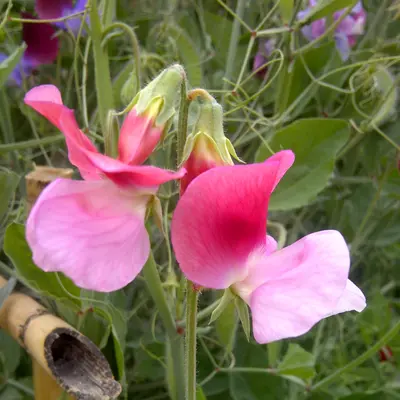
From the Spencer series. Lavender blue streaks and flecks throughout and lining the slightly ruffled petal edge. Reminiscent of sea glass. Plants produce 3-4 blooms per 9-12" stem. Mildly fragrant. NOTE: Spencer series sweet peas are known as late-flowering because they require at least 12 hours of daylight, unlike more modern sweet pea varieties bred for winter production, which may require only 10-11 hours of daylight. Attracts hummingbirds.
Harvest
75-85d
Days to harvest
Sun
Full sun
Zones
2–11
USDA hardiness
Height
3-8 feet
Planting Timeline
Showing dates for Blue Ripple in USDA Zone 7
All Zone 7 flower →Zone Map
Click a state to update dates
Blue Ripple · Zones 2–11
Growing Details
Succession Planting
Sweet peas aren't a one-flush crop if you stay on top of picking — cut every 2–3 days to prevent seed set, and the plant keeps throwing new stems rather than shutting down. The smarter move is two separate sowings: one indoors in February for an April–May bloom window, and a second direct sow in early April to push into June. Don't sow after late April; once daytime highs hit 80°F consistently, Blue Ripple stalls out no matter how young the plants are.
Complete Growing Guide
Blue Ripple sweet peas thrive when started indoors four to six weeks before your last spring frost date, allowing seedlings to establish strong root systems before transplanting outdoors. Alternatively, you can direct sow seeds into the garden two to three weeks before your last frost, as these hardy annuals tolerate cool soil and actually prefer it for germination. Soak seeds overnight in room-temperature water before planting to improve germination rates, then sow approximately half an inch deep into well-draining soil enriched with compost or aged manure. Space seeds or seedlings eight to twelve inches apart, as Blue Ripple produces robust vines that will densely cover their allocated space.
Consistent moisture is essential throughout the growing season, particularly during flowering. Water deeply at the base of plants two to three times weekly, providing approximately one inch of water per week depending on rainfall and temperature. Mulch around plants with two inches of organic material to retain soil moisture and keep roots cool. Feed every two weeks with a balanced, all-purpose fertilizer once plants begin flowering, switching to a lower-nitrogen formulation to encourage blooms over excessive foliage.
Blue Ripple's Spencer genetics make it a late-flowering variety, requiring at least twelve hours of daylight to set blooms reliably. This is critical information many gardeners overlook—if your area experiences significant daylight variations, time your planting accordingly so flowering occurs during long-day months. The variety rarely produces blooms before 75 days, so patience is rewarded with those stunning three to four lavender-blue streaked flowers per stem.
Provide sturdy vertical support early, installing trellises, stakes, or netting before plants reach six inches tall. Blue Ripple vines will climb six to eight feet when given proper support, making them ideal for arbors, fences, or dedicated sweet pea trellises. Pinch out growing tips when seedlings reach four inches to encourage branching and fuller plant development. Regular deadheading extends the blooming period considerably—removing spent flowers every two to three days prevents seed formation and signals the plant to produce more blooms.
Monitor for spider mites and aphids, which can stress vines during hot periods. Powdery mildew occasionally affects sweet peas in humid conditions; ensure good air circulation and avoid overhead watering. Blue Ripple's mild fragrance makes it less attractive to certain pests than more heavily scented varieties, offering a slight advantage.
Succession plant every two weeks from early spring through early summer in cooler climates for continuous blooms throughout the season. This heirloom-quality variety rewards attentive gardeners with weeks of delicate, sea-glass-colored flowers perfect for cutting and enjoying indoors.
Harvesting
Blue Ripple reaches harvest at 75 - 85 days from sowing per Johnny's Selected Seeds. Expect 9-12" at peak. As an annual, harvest continues until frost ends the season.
Type: Legume.
Edibility: Sweet pea fruits are inedible and poisonous to humans.
Storage & Preservation
Fresh sweet pea blooms should be stored in a cool location, preferably in the refrigerator at 34-40°F with high humidity (90-95%) to maximize vase life of 7-10 days. Keep stems in fresh, cool water and change water every 2-3 days. For preservation: (1) Air-dry flowers by hanging in bundles in a dark, well-ventilated space for 2-3 weeks to create dried arrangements. (2) Press flowers between parchment paper under heavy weights for 2-4 weeks to preserve for crafts and herbalism. (3) Freeze in ice cubes with water for decorative use in beverages, maintaining color for several months.
History & Origin
Blue Ripple is open-pollinated, meaning seed saved from healthy plants will produce true-to-type offspring. Listed in the Johnny's Selected Seeds catalog.
Origin: Southern Italy, Sicily, Crete
Advantages
- +Stunning lavender-blue streaked petals resemble beautiful sea glass.
- +Produces abundant 3-4 blooms per long 9-12 inch stem.
- +Spencer series offers classic elegance with slight ruffled petal edges.
- +Easy to grow with straightforward cultivation requirements.
- +Attracts hummingbirds, adding wildlife interest to gardens.
Considerations
- -Requires at least 12 hours of daylight for flowering.
- -Late-flowering variety unsuitable for winter or short-day regions.
- -Mildly fragrant, less scented than some traditional sweet pea varieties.
Companion Plants
Marigolds — French types like 'Petite Gold' in particular — earn a spot near Blue Ripple because they deter aphids, which will find sweet peas reliably by week 4 or 5. Sweet Alyssum works a different angle: its small flowers draw parasitic wasps (Aphidius species) that parasitize those same aphid colonies from the inside, so running it as a low border in front of the trellis is genuinely functional. Keep sunflowers at least 3–4 feet away; they're allelopathic, releasing root compounds that suppress nearby plants, and their height will shade out a crop that needs 6+ hours of direct sun to set buds. Black walnut is the hardest no — juglone toxicity moves through the soil and can stunt or kill sweet peas even without direct root contact.
Plant Together
Marigolds
Repel nematodes and aphids while attracting beneficial insects
Sweet Alyssum
Attracts beneficial predatory insects and provides ground cover
Nasturtiums
Act as trap crops for aphids and cucumber beetles
Lavender
Repels moths, fleas, and mosquitoes with its strong fragrance
Petunias
Repel aphids, tomato hornworms, and squash bugs
Cosmos
Attract beneficial pollinators and predatory insects
Zinnia
Attract ladybugs and other beneficial predators
Catmint
Repels ants, aphids, and rodents while attracting pollinators
Keep Apart
Black Walnut
Releases juglone toxin that inhibits growth of many flowering plants
Eucalyptus
Allelopathic compounds suppress growth of nearby plants
Sunflowers
Release allelopathic chemicals that can stunt growth of smaller flowers
Troubleshooting Blue Ripple
What you'll see, why it happens, and what to do about it.
White powdery coating on leaves and stems, usually showing up after the plant has been growing 6+ weeks
Likely Causes
- Powdery mildew (Erysiphe pisi) — a fungal disease that thrives when days are warm and nights are cool, especially with poor airflow
- Crowded spacing below 6 inches, trapping humidity around the foliage
What to Do
- 1.Cut out and bag the worst-affected stems — don't compost them
- 2.Spray remaining foliage with a diluted potassium bicarbonate solution (1 tablespoon per gallon of water) every 7 days
- 3.Next planting, keep spacing at 12 inches and make sure your trellis has open air on both sides
Buds forming but dropping before they open, or flowers fading and shriveling within a day or two of opening
Likely Causes
- Heat stress — sweet peas stop performing reliably once daytime temperatures push past 75–80°F
- Inconsistent watering causing soil to swing between wet and dry
What to Do
- 1.Mulch the root zone 2–3 inches deep with straw to keep soil temperatures down and moisture even
- 2.If daytime highs are already climbing past 80°F, accept that the flush is ending — Blue Ripple is a cool-season bloomer regardless of what the packet says about growing season
- 3.For next year, time your indoor sow for February so plants are blooming by April before the heat sets in
Frequently Asked Questions
How long do Blue Ripple sweet pea flowers last in a vase?▼
Can you grow Blue Ripple sweet peas in containers?▼
When should I plant Blue Ripple sweet pea seeds?▼
Is Blue Ripple sweet pea good for beginners?▼
Do Blue Ripple sweet peas attract pollinators?▼
What does Blue Ripple smell like?▼
Zone-by-Zone Planting Calendar
| Zone | Indoor Start | Transplant | Direct Sow | Harvest |
|---|---|---|---|---|
| Zone 1 | May – June | July – August | July – September | — |
| Zone 2 | April – May | June – July | June – August | — |
| Zone 11 | January – January | January – February | January – March | — |
| Zone 12 | January – January | January – February | January – March | — |
| Zone 13 | January – January | January – February | January – March | — |
| Zone 3 | April – May | June – July | June – August | — |
| Zone 4 | March – April | June – June | June – July | — |
| Zone 5 | March – April | May – June | May – July | — |
| Zone 6 | March – April | May – June | May – July | — |
| Zone 7 | February – March | April – May | April – June | — |
| Zone 8 | February – March | April – May | April – June | — |
| Zone 9 | January – February | March – April | March – May | — |
| Zone 10 | January – January | February – March | February – April | — |
Growing Guides from Wind River Greens
Sources & References
External authority sources used in compiling this guide.
- BreederJohnny's Selected Seeds
See the Methodology page for how this data is sourced, what's AI-assisted, and known limitations.