Benary's Giant Salmon Rose
Zinnia elegans
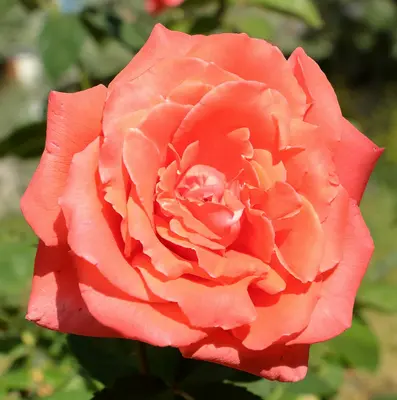
Benary's Giant Salmon Rose is a stunning heirloom zinnia prized for its enormous double flowers in a warm salmon-rose shade. Plants reach maturity in 75-90 days and produce blooms up to 4 inches across, with full, ruffled petals that create a cabbage-like appearance. This vigorous grower thrives in full sun and well-draining soil, making it an excellent choice for cutting gardens and floral arrangements due to its long stems and exceptional vase life.
Harvest
75-90d
Days to harvest
Sun
Full sun
Zones
2–11
USDA hardiness
Height
0-3 feet
Planting Timeline
Showing dates for Benary's Giant Salmon Rose in USDA Zone 7
All Zone 7 flower →Zone Map
Click a state to update dates
Benary's Giant Salmon Rose · Zones 2–11
Growing Details
Succession Planting
Direct sow every 2–3 weeks from April through mid-June in zone 7, stopping once daytime highs are consistently above 90°F — germination gets spotty and seedlings stall in that kind of heat. A late-May sowing will typically carry you through the first frost in October. If you want blooms from July onward without a mid-summer gap, start a round indoors in early March (7–14 days to germination under lights) and transplant out in late April after nights stay reliably above 50°F.
Cut or deadhead blooms every 4–5 days to keep plants from going to seed and dropping production. Zinnias that get ahead of you and set seed will slow down noticeably — the output gain from regular cutting is bigger than most people expect from a flower they think of as low-maintenance.
Complete Growing Guide
Recommended by the Association of Specialty Cut Flower Growers. High yields of long, sturdy stems with 4-6" fully double, dahlia-like blooms. Excellent vase life. Vigorous plants hold up well in summer heat and rain. Low susceptibility to powdery mildew. Cut-and-come-again flower, yielding multiple cuts over the season. According to Johnny's Selected Seeds, Benary's Giant Salmon Rose is 75 - 90 days to maturity, annual, open pollinated. Notable features: Use for Cut Flowers and Bouquets.
Light: Full sun (6 or more hours of direct sunlight a day). Soil: High Organic Matter, Loam (Silt). Soil pH: Acid (<6.0), Alkaline (>8.0), Neutral (6.0-8.0). Drainage: Good Drainage, Occasionally Dry. Height: 0 ft. 6 in. - 3 ft. 0 in.. Spread: 0 ft. 8 in. - 1 ft. 0 in.. Spacing: 12 inches-3 feet. Growth rate: Rapid. Maintenance: Medium. Propagation: Seed. Regions: Coastal, Mountains, Piedmont.
Harvesting
Benary's Giant Salmon Rose reaches harvest at 75 - 90 days from sowing per Johnny's Selected Seeds. Expect 4-6" at peak. As an annual, harvest continues until frost ends the season.
Type: Achene.
Storage & Preservation
Benary's Giant Salmon Rose flowers should be cut early morning or late evening when stems are fully hydrated. Store cut stems in a clean vase with fresh, cool water (65-72°F) on a cool countertop away from direct sunlight and ethylene-producing fruits. Change water every 2-3 days and re-cut stems at an angle. Typical vase life is 7-10 days. For preservation: dry flowers by hanging small bunches upside-down in a warm, dark, well-ventilated space for 2-3 weeks; press blooms between parchment paper under heavy weights for flat, preserved specimens; or freeze flowers in water-filled ice cube trays for use in decorative arrangements.
History & Origin
Benary's Giant Salmon Rose is open-pollinated, meaning seed saved from healthy plants will produce true-to-type offspring. Listed in the Johnny's Selected Seeds catalog.
Origin: Mexico
Advantages
- +Produces long, sturdy stems ideal for professional cut flower arrangements
- +Fully double dahlia-like blooms reach 4-6 inches, creating dramatic displays
- +Excellent vase life extends enjoyment and reduces frequent replacements needed
- +Vigorous plants thrive in summer heat and heavy rain without decline
- +Low powdery mildew susceptibility reduces fungal disease management requirements
Considerations
- -Requires 75-90 days to first bloom, extending season before harvest begins
- -Large double flowers may require staking or support in windy locations
- -Salmon rose color has limited pairing options with certain garden palettes
Companion Plants
Marigolds and nasturtiums are the most practical neighbors for Benary's Giant Salmon Rose. Tagetes patula specifically produces thiophene compounds from its roots that suppress soil nematode populations nearby, and its scent disrupts the host-finding behavior of aphids before they get oriented toward your zinnias. Nasturtiums pull double duty — they draw aphids away from adjacent plants and bring in hoverflies, whose larvae feed on aphid colonies. Sweet alyssum planted along bed edges adds parasitic wasps to that mix, which work through the aphid population before numbers build.
Cosmos is worth mentioning as a structural companion at 18–24 inch spacing: matched sun and water requirements, no meaningful root competition, and the two together give you a cutting bed that stays productive for weeks without one plant shading out the other. Keep impatiens well away — they prefer shadier, moister conditions than zinnias and tend to struggle in the full sun that Benary's Giant needs, creating a weak spot in the bed that invites disease pressure on both plants.
Plant Together
Marigolds
Repel aphids, whiteflies, and nematodes while attracting beneficial insects
Nasturtiums
Act as trap crops for aphids and cucumber beetles, protecting zinnias
Cosmos
Attract pollinators and beneficial insects while providing complementary height and texture
Sweet Alyssum
Ground cover that attracts hover flies and parasitic wasps for pest control
Basil
Repels thrips, aphids, and spider mites that commonly affect zinnias
Cleome
Attracts beneficial insects and provides structural support in mixed plantings
Sunflowers
Create beneficial microclimate and attract pollinators without competing for resources
Lavender
Repels moths and other pests while attracting beneficial pollinators
Keep Apart
Black Walnut Trees
Release juglone toxin that causes wilting and stunted growth in zinnias
Impatiens
Create overly moist conditions that promote fungal diseases like powdery mildew
Dense Ground Covers
Compete for nutrients and create poor air circulation leading to fungal problems
Pests & Disease Resistance
Common Pests
Aphids, spider mites, Japanese beetles
Diseases
Powdery mildew, root rot
Troubleshooting Benary's Giant Salmon Rose
What you'll see, why it happens, and what to do about it.
White powdery coating spreading across upper leaf surfaces, usually showing up mid-summer when nights cool down
Likely Causes
- Powdery mildew (Erysiphe cichoracearum) — a fungal disease that thrives in warm days combined with cool, humid nights
- Poor airflow from crowded spacing under 18 inches
What to Do
- 1.Strip and bag the worst-affected leaves — don't compost them
- 2.Space plants to at least 18 inches and thin any stems crossing through the center of the clump
- 3.Apply a diluted baking soda spray (1 tablespoon per gallon of water) weekly as a stopgap, or use a sulfur-based fungicide if the outbreak is heavy
Leaves stippled with tiny pale dots, undersides dusty or faintly webbed, plant looking dull and washed out in hot, dry spells
Likely Causes
- Spider mites (Tetranychus urticae) — populations explode in dry heat above 90°F
- Inconsistent watering at the base — dry, stressed foliage is prime spider mite habitat
What to Do
- 1.Hit the undersides of leaves hard with a strong jet of water from a hose — do it three days in a row to knock back the population
- 2.If the infestation is established, apply insecticidal soap or neem oil in the evening so it doesn't burn foliage
- 3.Water at the base rather than overhead; plants under moisture stress get hit harder and bounce back slower
Stems collapsing at soil level, roots brown and mushy, often in seedlings or newly transplanted starts
Likely Causes
- Root rot — typically Pythium or Rhizoctonia species — triggered by waterlogged soil
- Heavy clay soil or containers without adequate drainage holding water too long after rain
What to Do
- 1.Pull and discard affected plants; there's no saving a collapsed stem
- 2.Amend planting beds with perlite or coarse compost before the next sowing to improve drainage
- 3.Let the soil surface dry out between waterings — zinnias tolerate short dry spells far better than soggy feet
Frequently Asked Questions
How long do Benary's Giant Salmon Rose cut flowers last in a vase?▼
Is Benary's Giant Salmon Rose easy to grow for beginners?▼
Can you grow Benary's Giant Salmon Rose in containers?▼
When should I plant Benary's Giant Salmon Rose seeds?▼
What makes Benary's Giant Salmon Rose different from regular roses?▼
How many flowers will one plant produce per season?▼
Zone-by-Zone Planting Calendar
| Zone | Indoor Start | Transplant | Direct Sow | Harvest |
|---|---|---|---|---|
| Zone 3 | April – May | June – July | June – August | — |
| Zone 4 | March – April | June – June | June – July | — |
| Zone 5 | March – April | May – June | May – July | — |
| Zone 6 | March – April | May – June | May – July | — |
| Zone 7 | February – March | April – May | April – June | — |
| Zone 8 | February – March | April – May | April – June | — |
| Zone 9 | January – February | March – April | March – May | — |
| Zone 10 | January – January | February – March | February – April | — |
| Zone 1 | May – June | July – August | July – September | — |
| Zone 2 | April – May | June – July | June – August | — |
| Zone 11 | January – January | January – February | January – March | — |
| Zone 12 | January – January | January – February | January – March | — |
| Zone 13 | January – January | January – February | January – March | — |
Growing Guides from Wind River Greens
Sources & References
External authority sources used in compiling this guide.
- BreederJohnny's Selected Seeds
See the Methodology page for how this data is sourced, what's AI-assisted, and known limitations.