Forever Blue
Limonium sinuatum
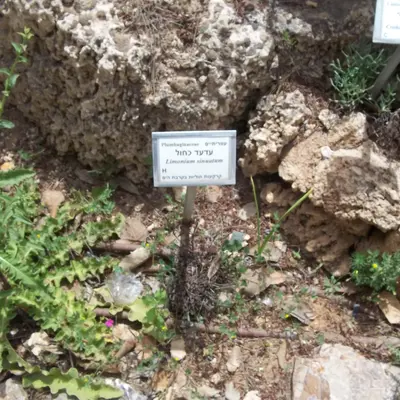
1 1/2-3" dark blue flower clusters. Robust plants produce strong stems in the field and greenhouse. Like many blue statice varieties, Forever Blue tends to bloom a bit later than other colors. Compared to Seeker Blue, Forever Blue is very similar in overall performance. Also known as annual statice and wavyleaf sea lavender.
Harvest
110-120d
Days to harvest
Sun
Full sun
Zones
8–10
USDA hardiness
Height
12-18 inches
Planting Timeline
Showing dates for Forever Blue in USDA Zone 7
All Zone 7 flower →Zone Map
Click a state to update dates
Forever Blue · Zones 8–10
Growing Details
Succession Planting
Statice keeps producing flower spikes across a long season rather than giving one flush and quitting, so the tight sow-every-two-weeks rhythm you'd use for lettuce doesn't apply here. Start seeds indoors 10–12 weeks before your last frost — late January to early March for most growers — and make one transplant push in April or May once soil temps hold above 60°F. That single planting will carry through summer and well into fall.
If you're growing for a cutting garden or CSA bundles and want spread-out harvest windows, two indoor sow dates about 3–4 weeks apart (late January and late February) will stagger peak bloom by roughly that same margin. Don't push a third sowing past early June; plants started late won't log enough days before heat stalls them or the season closes out.
Complete Growing Guide
1 1/2-3" dark blue flower clusters. Robust plants produce strong stems in the field and greenhouse. Like many blue statice varieties, Forever Blue tends to bloom a bit later than other colors. Compared to Seeker Blue, Forever Blue is very similar in overall performance. Also known as annual statice and wavyleaf sea lavender. According to Johnny's Selected Seeds, Forever Blue is 110 - 120 days to maturity, annual, open pollinated. Notable features: Use for Cut Flowers and Bouquets, Ideal for Drying and Crafts, Attracts Beneficial Insects.
Light: Full sun (6 or more hours of direct sunlight a day). Soil: Loam (Silt), Sand. Soil pH: Acid (<6.0), Alkaline (>8.0), Neutral (6.0-8.0). Drainage: Good Drainage, Occasionally Dry. Height: 1 ft. 0 in. - 1 ft. 6 in.. Spread: 0 ft. 9 in. - 1 ft. 0 in.. Spacing: 12 inches-3 feet. Growth rate: Rapid. Maintenance: Low. Propagation: Seed. Regions: Coastal, Piedmont.
Harvesting
Forever Blue reaches harvest at 110 - 120 days from sowing per Johnny's Selected Seeds. Expect 1 1/2-3" at peak. As an annual, harvest continues until frost ends the season.
Type: Capsule.
Storage & Preservation
Forever Blue statice is best stored in a cool location away from direct sunlight. For fresh flowers, keep stems in water at room temperature (65-72°F) with moderate humidity, or refrigerate at 35-40°F to extend vase life to 2-3 weeks. Preservation methods include: (1) Air-drying by hanging bundles upside-down in a dry, well-ventilated space for 2-3 weeks, which locks color beautifully; (2) Pressing between paper weights for flat arrangements; (3) Glycerin preservation by standing stems in a 50/50 glycerin-water solution for 1-2 weeks to maintain flexibility and color.
History & Origin
Forever Blue is open-pollinated, meaning seed saved from healthy plants will produce true-to-type offspring. Listed in the Johnny's Selected Seeds catalog.
Origin: Mediterranean to western Sahara
Advantages
- +Produces strong, robust stems ideal for cut flower arrangements
- +Dark blue color is visually striking and commercially desirable
- +Easy to grow with minimal care requirements for beginners
- +Blooms prolifically once established despite later flowering timing
Considerations
- -Later bloom time compared to other statice color varieties
- -Very similar performance to Seeker Blue offers minimal differentiation
Companion Plants
Marigolds and Sweet Alyssum are the most practical neighbors for statice. French marigold types like 'Bonanza' emit thiophene compounds from their roots that suppress soil nematodes, and their scent above ground disrupts small flying pests. Sweet Alyssum draws parasitic wasps and hoverflies — insects that hunt aphids — and its low, spreading habit doesn't crowd out statice's shallow root system. Cosmos and Zinnia pull a similar trick: their open flower structure keeps beneficial insects cycling through the bed all season without adding disease pressure, since neither shares a fungal profile with Limonium sinuatum.
Lavender pairs well for a straightforward reason: both plants want the same conditions. Full sun, sharp drainage, lean soil — neither will outcompete the other, and lavender's volatile oils (linalool and camphor) genuinely do deter thrips and aphids at close range. It also dries alongside statice, which is a practical bonus if you're cutting for arrangements.
The three harmful companions — Black Walnut, Eucalyptus, and Fennel — all suppress nearby plants through chemical means, not competition. Black Walnut produces juglone, a compound toxic to a wide range of annuals, from its roots and decomposing leaf litter; give statice a wide buffer from any walnut on the property. Eucalyptus works similarly through allelopathic compounds in its leaf drop. Fennel is allelopathic as well and tends to slow the establishment of most annuals planted within a few feet of it — it's best isolated entirely in the cutting garden.
Plant Together
Marigolds
Repel aphids, whiteflies, and nematodes while attracting beneficial insects
Sweet Alyssum
Attracts beneficial insects and provides ground cover to retain soil moisture
Nasturtiums
Act as trap crops for aphids and cucumber beetles, protecting nearby plants
Petunias
Repel aphids, tomato hornworms, and squash bugs with natural compounds
Lavender
Deters pests with strong fragrance and attracts pollinators like bees
Cosmos
Attract beneficial insects and pollinators while requiring similar growing conditions
Zinnia
Attract butterflies and beneficial insects while providing vibrant color contrast
Salvia
Repels pests and attracts hummingbirds and beneficial pollinators
Keep Apart
Black Walnut
Produces juglone toxin that inhibits growth and can kill sensitive flowering plants
Eucalyptus
Releases allelopathic compounds that suppress growth of nearby plants
Fennel
Inhibits growth of most garden plants through allelopathic root secretions
Troubleshooting Forever Blue
What you'll see, why it happens, and what to do about it.
Seedlings damping off at soil level — stems pinch to a thread, then the whole plant tips over
Likely Causes
- Pythium or Rhizoctonia fungi thriving in overly wet, poorly drained seed-starting mix
- Trays kept too cool (below 65°F) with no airflow, letting moisture sit
What to Do
- 1.Water from the bottom only, and let the top of the mix dry slightly between waterings
- 2.Run a small fan near the seedling trays for 30–60 minutes a day to keep air moving
- 3.If damping off has already appeared, remove affected seedlings immediately and drench remaining cells with a dilute hydrogen peroxide solution (1 part 3% H2O2 to 9 parts water)
Gray fuzzy coating on flowers or stems, especially during cool, damp stretches
Likely Causes
- Botrytis cinerea (gray mold) — extremely common on statice in humid conditions or after overhead irrigation
What to Do
- 1.Cut out and discard all affected stems — don't compost them
- 2.Switch to drip or base watering; keep foliage and blooms dry
- 3.Space plants 12–18 inches apart so air can move through the canopy
Leaves and stems covered in a white powdery film, usually starting mid-season
Likely Causes
- Powdery mildew (Erysiphe or Golovinomyces spp.) — spores spread during warm days with cool nights and low-humidity swings
- Crowded planting that restricts airflow
What to Do
- 1.Spray affected foliage with a solution of 1 tablespoon baking soda plus a few drops of dish soap per gallon of water — reapply every 7 days
- 2.Remove the worst-affected leaves at the base and dispose of them in the trash, not the compost
- 3.Next season, hold to the full 12–18 inch spacing and stop any overhead watering after mid-morning
Plants reach 12–18 inches tall but produce few or no flower spikes, mostly just rosette foliage
Likely Causes
- Transplanted into cold soil — statice needs consistent soil temps above 60°F to shift into bloom mode
- High-nitrogen fertilizer pushing vegetative growth at the expense of flowers
- Fewer than 6 hours of direct sun daily, which stalls flowering on Limonium sinuatum regardless of plant health
What to Do
- 1.Check soil temperature with a probe thermometer before transplanting; wait for a steady 60°F
- 2.Switch to a low-nitrogen, bloom-focused fertilizer (one where phosphorus is the highest number in the N-P-K ratio)
- 3.Rethink bed placement or move container plants to guarantee 6+ unobstructed hours of sun
Frequently Asked Questions
How long do Forever Blue statice flowers last in a vase?▼
When should I plant Forever Blue statice seeds?▼
Can I grow Forever Blue statice in containers?▼
Is Forever Blue statice good for beginners?▼
What is Forever Blue statice used for?▼
How much sunlight does Forever Blue statice need?▼
Zone-by-Zone Planting Calendar
| Zone | Indoor Start | Transplant | Direct Sow | Harvest |
|---|---|---|---|---|
| Zone 3 | April – May | June – July | June – August | — |
| Zone 4 | March – April | June – June | June – July | — |
| Zone 5 | March – April | May – June | May – July | — |
| Zone 6 | March – April | May – June | May – July | — |
| Zone 7 | February – March | April – May | April – June | — |
| Zone 8 | February – March | April – May | April – June | — |
| Zone 9 | January – February | March – April | March – May | — |
| Zone 10 | January – January | February – March | February – April | — |
| Zone 1 | May – June | July – August | July – September | — |
| Zone 2 | April – May | June – July | June – August | — |
| Zone 11 | January – January | January – February | January – March | — |
| Zone 12 | January – January | January – February | January – March | — |
| Zone 13 | January – January | January – February | January – March | — |
Growing Guides from Wind River Greens
Sources & References
External authority sources used in compiling this guide.
- BreederJohnny's Selected Seeds
See the Methodology page for how this data is sourced, what's AI-assisted, and known limitations.