Jewel Mix
Tropaeolum minus
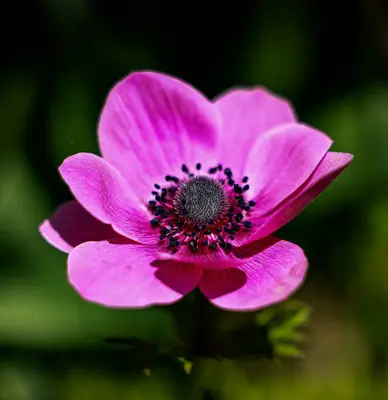
These bright, 2" blooms of red, pink, orange, and yellow are held above light green foliage. Mounded plant habit. Also known as garden nasturtium and Indian cress. Edible Flower: Use the flowers as garnishes, or stuff with soft cheese. The flowers can be minced and added to butters and the immature seed heads can be pickled. Nasturtiums are a popular choice for adding color to salad mix. Peppery-flavored foliage is also edible.
Harvest
55-65d
Days to harvest
Sun
Full sun
Zones
2–11
USDA hardiness
Height
1-10 feet
Planting Timeline
Showing dates for Jewel Mix in USDA Zone 7
All Zone 7 flower →Zone Map
Click a state to update dates
Jewel Mix · Zones 2–11
Growing Details
Succession Planting
Direct sow every 3 weeks from April through mid-June in zone 7 for continuous bloom. Nasturtiums slow down hard once daytime highs are consistently above 90°F — plants survive but flower production drops and foliage looks worn out. A final sowing in late August can carry you to first frost, since Jewel Mix tolerates light dips into the low 40s°F without shutting down.
Don't start these indoors more than 2–3 weeks before your last frost date. They germinate in 7–12 days and transplant poorly once the taproot sets — direct sowing is almost always the better call, and the seeds are big enough that even a first-timer can place them precisely.
Complete Growing Guide
These bright, 2" blooms of red, pink, orange, and yellow are held above light green foliage. Mounded plant habit. Also known as garden nasturtium and Indian cress. Edible Flower: Use the flowers as garnishes, or stuff with soft cheese. The flowers can be minced and added to butters and the immature seed heads can be pickled. Nasturtiums are a popular choice for adding color to salad mix. Peppery-flavored foliage is also edible. According to Johnny's Selected Seeds, Jewel Mix is 55 - 65 days to maturity, annual, open pollinated. Notable features: Easy Choice, Grows Well in Containers, Edible Flowers.
Light: Full sun (6 or more hours of direct sunlight a day). Soil: Clay, Loam (Silt). Soil pH: Acid (<6.0), Neutral (6.0-8.0). Drainage: Good Drainage, Moist, Occasionally Dry. Height: 1 ft. 0 in. - 10 ft. 0 in.. Spread: 1 ft. 0 in. - 3 ft. 0 in.. Spacing: Less than 12 inches, 12 inches-3 feet. Growth rate: Rapid. Maintenance: Low. Propagation: Seed, Stem Cutting. Regions: Coastal, Mountains, Piedmont.
Harvesting
Jewel Mix reaches harvest at 55 - 65 days from sowing per Johnny's Selected Seeds. Expect 2" at peak. As an annual, harvest continues until frost ends the season.
Edibility: The leaves, flowers and buds, pods, and seeds are edible.
Storage & Preservation
Fresh nasturtium flowers are best stored in the refrigerator in a container lined with damp paper towels, where they'll keep for 3-5 days at 35-40°F with moderate humidity. For longer preservation, consider pickling the immature seed pods in vinegar brine (a traditional method), freezing flowers in ice cubes for later garnish use, or air-drying the foliage for tea. Edible flowers are delicate and should be handled gently to avoid bruising.
History & Origin
Jewel Mix is open-pollinated, meaning seed saved from healthy plants will produce true-to-type offspring. Listed in the Johnny's Selected Seeds catalog.
Origin: Southern America and Mexico Southeast
Advantages
- +Bright 2-inch blooms in multiple colors provide vibrant garden display
- +Fully edible flowers and peppery foliage offer culinary versatility
- +Quick 55-65 day maturity makes it ideal for season extension
- +Mounded habit requires minimal pruning or staking for support
- +Easy growing difficulty suitable for beginner and experienced gardeners
Considerations
- -Susceptible to aphids and spider mites requiring regular pest monitoring
- -Prefers cooler temperatures and may struggle in hot summers
- -Heavy nitrogen fertilizer promotes foliage over flower production
Companion Plants
Marigolds (Tagetes spp.) and chives both pull their weight near nasturtiums — marigolds deter whiteflies through root exudates, and chives' sulfur compounds disorient aphids at close range, which matters because Jewel Mix already attracts Aphis nasturtii like standing water attracts mosquitoes. Sweet alyssum draws parasitic wasps that prey on those same pests, so the two plants cover different layers of pest pressure. Fennel is the one to site elsewhere — it's genuinely allelopathic to a wide range of annuals and will stunt neighbors within 18 inches. Black walnut produces juglone, a soil toxin that's hard on most shallow-rooted annuals, and nasturtiums don't get a pass on that.
Plant Together
Marigolds
Repel aphids, whiteflies, and nematodes while attracting beneficial insects
Sweet Alyssum
Attracts beneficial predatory insects like lacewings and parasitic wasps
Nasturtiums
Act as trap crops for aphids and cucumber beetles, drawing pests away
Basil
Repels thrips, flies, and mosquitoes while attracting pollinators
Cosmos
Attract beneficial insects and provide complementary colors without competition
Parsley
Attracts beneficial insects like hoverflies and doesn't compete for resources
Zinnia
Attract butterflies and beneficial insects while providing structural diversity
Chives
Repel aphids and other soft-bodied insects with their strong scent
Keep Apart
Black Walnut
Produces juglone toxin that inhibits growth and can cause wilting
Fennel
Releases allelopathic compounds that stunt growth of nearby plants
Eucalyptus
Produces allelopathic oils that inhibit germination and growth of other plants
Pests & Disease Resistance
Common Pests
Aphids, whiteflies, spider mites
Diseases
Powdery mildew, leaf spot
Troubleshooting Jewel Mix
What you'll see, why it happens, and what to do about it.
Leaves coated in white powdery film, usually starting on older foliage mid-summer
Likely Causes
- Powdery mildew (Erysiphe spp.) — common in humid conditions with poor airflow
- Crowded spacing below 12 inches that traps moisture around the canopy
What to Do
- 1.Cut out the worst-affected stems and bin them — don't compost them
- 2.Spray remaining foliage with a diluted baking soda solution (1 tablespoon per gallon of water) every 7 days
- 3.Next sowing, keep plants at 12–18 inches apart and don't overhead-water in the evening
Clusters of soft green or black insects on new growth and flower buds, sometimes with sticky residue on lower leaves
Likely Causes
- Aphid infestation (Aphis nasturtii or black bean aphid) — nasturtiums pull aphids heavily, which makes them useful as a trap crop but requires monitoring when you're growing them for harvest
- Ant colonies actively farming aphids and driving off predatory insects like ladybugs
What to Do
- 1.Knock aphids off with a firm stream of water from a hose — do this in the morning so foliage dries by afternoon
- 2.If pressure is heavy, spray with insecticidal soap every 5–7 days until populations drop
- 3.Check for ant trails at the base of the plant; disrupting the ants often lets naturally occurring predators finish the job
Tiny yellow stippling across leaves, with fine webbing on the undersides, worst during dry stretches
Likely Causes
- Two-spotted spider mite (Tetranychus urticae) — thrives when temperatures exceed 85°F and humidity drops
- Dusty, dry conditions with no overhead moisture to knock mites back naturally
What to Do
- 1.Mist the undersides of leaves with water daily for a week — spider mites hate sustained moisture
- 2.Apply neem oil (2 tablespoons per gallon with a few drops of dish soap) every 7 days for 2–3 applications
- 3.Avoid broad-spectrum insecticides that also kill predatory mites, which are your natural check on the population
Frequently Asked Questions
How long do nasturtium flowers last after harvesting?▼
Are nasturtiums good for beginner gardeners?▼
Can you grow Jewel Mix nasturtiums in containers?▼
What does nasturtium taste like and how do you use it?▼
When should I plant Jewel Mix nasturtiums?▼
Why are my nasturtiums not blooming much?▼
Zone-by-Zone Planting Calendar
| Zone | Indoor Start | Transplant | Direct Sow | Harvest |
|---|---|---|---|---|
| Zone 3 | April – May | June – July | June – August | — |
| Zone 4 | March – April | June – June | June – July | — |
| Zone 5 | March – April | May – June | May – July | — |
| Zone 6 | March – April | May – June | May – July | — |
| Zone 7 | February – March | April – May | April – June | — |
| Zone 8 | February – March | April – May | April – June | — |
| Zone 9 | January – February | March – April | March – May | — |
| Zone 10 | January – January | February – March | February – April | — |
| Zone 1 | May – June | July – August | July – September | — |
| Zone 2 | April – May | June – July | June – August | — |
| Zone 11 | January – January | January – February | January – March | — |
| Zone 12 | January – January | January – February | January – March | — |
| Zone 13 | January – January | January – February | January – March | — |
Growing Guides from Wind River Greens
Sources & References
External authority sources used in compiling this guide.
- ExtensionNC State Extension
- BreederJohnny's Selected Seeds
See the Methodology page for how this data is sourced, what's AI-assisted, and known limitations.