Sun Ball
Craspedia globosa
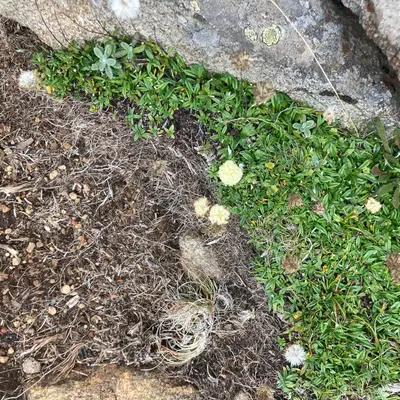
1" globes on long, stiff stems are easy to harvest and use as cut flowers. Grass-like, silvery green foliage. As a cut flower, it has a long vase life and as a dried flower, it retains its color. Tolerates heat. Craspedia is also known as drumsticks. Tender perennial in Zones 8-11.
Harvest
110-120d
Days to harvest
Sun
Full sun
Zones
3–11
USDA hardiness
Height
24-36 inches
Planting Timeline
Showing dates for Sun Ball in USDA Zone 7
All Zone 7 flower →Zone Map
Click a state to update dates
Sun Ball · Zones 3–11
Growing Details
Complete Growing Guide
Growing Sun Ball (Craspedia globosa) flower. Light: Full sun. Days to maturity: 110. Difficulty: Easy.
Harvesting
Sun Ball reaches harvest at 110 - 120 days from sowing per Johnny's Selected Seeds. Expect 1" at peak.
This is an ornamental variety — not grown for harvest. Enjoy in the garden landscape.
Storage & Preservation
Fresh-cut Sun Ball stems last 2-3 weeks in a vase with clean water changed every 2-3 days. Recut stems at a 45-degree angle and remove lower foliage to prevent bacterial growth. Keep arrangements in a cool location away from direct sun and ripening fruit (which emits ethylene gas).
For drying, hang bundles of 5-7 stems upside-down in a warm, dark, dry room with good air circulation—a basement or closet works well. Drying takes 2-3 weeks; dried blooms remain vibrant for 12-18 months if stored in a cool, dark place in airtight containers with desiccant packets. Sun Ball also presses beautifully; sandwich flower heads between absorbent paper under heavy weights for 2-3 weeks, then use in arrangements or crafts. Unlike fresh flowers, dried Sun Balls require no water and make excellent long-term dried arrangements or wedding/event decor.
History & Origin
Sun Ball (Craspedia globosa) is a cultivar grown commercially. See category-level varieties for general species history and origin information.
Advantages
- +Easy to grow — beginner-friendly
Considerations
- -Long season — needs 110 days to mature
Companion Plants
Marigolds (Tagetes spp.) are the most practical neighbor here — their root secretions deter nematodes, and since Craspedia is sensitive to root-zone stress, a cleaner soil environment pays off. Zinnias and Cosmos share the full-sun requirement without competing hard for water. Lavender and Catmint at the border pull their weight on almost no extra irrigation, which means they won't create the moist conditions that invite root rot. Black Walnut is a hard no — juglone accumulates in the soil out to 50–60 feet from the trunk and is documented to stunt or kill a wide range of ornamentals, Craspedia included.
Plant Together
Marigold
Repels nematodes and aphids, attracts beneficial insects
Nasturtium
Acts as trap crop for aphids and cucumber beetles
Zinnia
Attracts pollinators and beneficial predatory insects
Sweet Alyssum
Attracts hover flies and parasitic wasps that control pests
Cosmos
Attracts beneficial insects and provides complementary bloom times
Catmint
Repels aphids, ants, and rodents while attracting pollinators
Lavender
Repels moths, fleas, and mosquitoes with aromatic oils
Petunia
Repels aphids, tomato hornworms, and squash bugs
Keep Apart
Black Walnut
Produces juglone toxin that inhibits growth of many flowers
Fennel
Allelopathic properties inhibit growth of nearby plants
Eucalyptus
Strong allelopathic compounds suppress growth of surrounding plants
Pests & Disease Resistance
Common Pests
Rare; occasional spider mites in very hot, dry climates
Diseases
Root rot in wet or poorly-drained soil; leaf spot in high humidity
Troubleshooting Sun Ball
What you'll see, why it happens, and what to do about it.
Stems rotting at the base, plant wilting even when soil feels wet
Likely Causes
- Root rot (Pythium or Phytophthora spp.) from waterlogged or poorly-drained soil
- Planting in heavy clay with no amendment
What to Do
- 1.Pull the plant — if the roots are brown and mushy, it's already gone; don't replant Craspedia in the same spot without fixing drainage first
- 2.Raise beds by at least 4–6 inches or work in coarse sand and compost before replanting
- 3.Water only when the top 2 inches of soil are dry; Craspedia does not want wet feet once it's established
Small tan or brown lesions on leaves, sometimes with a yellow halo, appearing in humid stretches
Likely Causes
- Leaf spot (Cercospora or Septoria spp.) triggered by extended humidity and poor airflow
- Crowding plants inside the 12-inch minimum spacing
What to Do
- 1.Remove affected leaves and drop them in the trash, not the compost pile
- 2.Space plants at least 15–18 inches apart to get air moving between stems
- 3.Switch to drip or base watering — keeping foliage dry cuts infection rate significantly
Fine webbing on leaves and stems, tips looking bronzed or stippled, during hot dry spells
Likely Causes
- Two-spotted spider mite (Tetranychus urticae) — flares when temperatures hold above 90°F and humidity drops
What to Do
- 1.Knock mites off with a firm spray of water directed at leaf undersides — do this early morning so foliage dries before nightfall
- 2.Apply insecticidal soap or neem oil to the undersides of leaves where mites congregate; repeat every 5–7 days for 2–3 cycles
- 3.Consistent watering during heat waves reduces plant stress and makes Craspedia less of a target
Frequently Asked Questions
How long does Sun Ball take to grow from seed to harvest?▼
Can you grow Sun Ball in containers?▼
Is Sun Ball good for beginners?▼
How do you dry Sun Ball flowers for long-term arrangements?▼
What's the difference between Sun Ball and other drumstick varieties?▼
Why are my Sun Ball plants struggling or not blooming?▼
Zone-by-Zone Planting Calendar
| Zone | Indoor Start | Transplant | Direct Sow | Harvest |
|---|---|---|---|---|
| Zone 3 | April – May | June – July | June – August | — |
| Zone 4 | March – April | June – June | June – July | — |
| Zone 5 | March – April | May – June | May – July | — |
| Zone 6 | March – April | May – June | May – July | — |
| Zone 7 | February – March | April – May | April – June | — |
| Zone 8 | February – March | April – May | April – June | — |
| Zone 9 | January – February | March – April | March – May | — |
| Zone 10 | January – January | February – March | February – April | — |
| Zone 1 | May – June | July – August | July – September | — |
| Zone 2 | April – May | June – July | June – August | — |
| Zone 11 | January – January | January – February | January – March | — |
| Zone 12 | January – January | January – February | January – March | — |
| Zone 13 | January – January | January – February | January – March | — |
Growing Guides from Wind River Greens
Sources & References
External authority sources used in compiling this guide.
- BreederJohnny's Selected Seeds
See the Methodology page for how this data is sourced, what's AI-assisted, and known limitations.