Vintage White
Helichrysum bracteatum
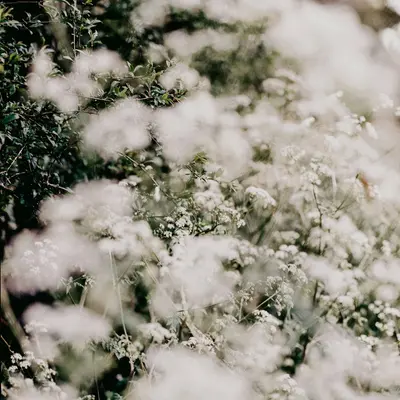
Tall, well-branched plants produce pure white, double flowers 2-2 1/2" across. Also known as bracted strawflower.
Harvest
75-85d
Days to harvest
Sun
Full sun
Zones
1–11
USDA hardiness
Height
24–36 inches
Planting Timeline
Showing dates for Vintage White in USDA Zone 7
All Zone 7 flower →Zone Map
Click a state to update dates
Vintage White · Zones 1–11
Growing Details
Succession Planting
Direct sow or transplant every 3–4 weeks from April through early June for a staggered cut of drying-ready blooms. Count back 85 days from your first expected frost to find your last safe sow date — Vintage White needs that full 75–85 day window to reach the papery, fully open stage worth harvesting. In zone 7, that typically puts your cutoff at late May to early June.
Complete Growing Guide
Tall, well-branched plants produce pure white, double flowers 2-2 1/2" across. Also known as bracted strawflower. According to Johnny's Selected Seeds, Vintage White is 75 - 85 days to maturity, annual, open pollinated. Notable features: Use for Cut Flowers and Bouquets, Ideal for Drying and Crafts.
Soil: Loam (Silt). Soil pH: Acid ( 6.0), Alkaline ( 8.0), Neutral (6.0-8.0). Drainage: Good Drainage, Moist, Occasionally Dry. Height: zer-oh-KRIS-um brak-tee-AH-tum. Spread: zer-oh-KRIS-um brak-tee-AH-tum. Growth rate: Medium. Propagation: Seed, Stem Cutting. Regions: Coastal.
Harvesting
Vintage White reaches harvest at 75 - 85 days from sowing per Johnny's Selected Seeds. Expect 2-2 1/2" at peak. As an annual, harvest continues until frost ends the season.
This is an ornamental variety — not grown for harvest. Enjoy in the garden landscape.
Storage & Preservation
Fresh-cut Vintage White stems last 10–14 days in a clean vase with floral preservative and cool water, lasting longer than most cut flowers. Change water every 2–3 days and re-cut stems under running water to extend vase life.
For drying—the primary preservation method for strawflowers—hang bundles upside-down in a warm (65–75°F), dark, well-ventilated space for 2–3 weeks until stems are papery and brittle. Dried flowers remain vibrant for 12+ months when stored in a dry location away from direct sunlight. Store in airtight containers with desiccant packets to maintain color and prevent moisture absorption. Vintage White can also be pressed between newspaper under weight for 3–4 weeks for flat botanical arrangements, though drying preserves the dimensional form better.
History & Origin
Vintage White is open-pollinated, meaning seed saved from healthy plants will produce true-to-type offspring. Listed in the Johnny's Selected Seeds catalog.
Australia
Advantages
- +Pure white double flowers provide elegant, classic color for arrangements
- +Large 2-2.5 inch blooms make striking visual impact in gardens
- +Well-branched plants produce abundant flowers from single planting
- +Easy difficulty level makes Vintage White ideal for beginner gardeners
- +Long 75-85 day season ensures extended flowering and harvest period
Considerations
- -White flowers may appear dingy or yellowed without consistent deadheading
- -Tall plants require staking or support in windy locations
- -Helichrysum species susceptible to root rot in poorly drained soil
Companion Plants
Marigolds and Calendula pull double duty here — both deter aphids and whiteflies through scent compounds, and at 12–18 inch spacing they don't crowd Helichrysum's root zone. Sweet Alyssum draws parasitic wasps that knock back aphid pressure once the strawflowers start blooming and attracting them. Keep fennel at least 3 feet away; it releases allelopathic compounds from its roots that suppress neighboring plants broadly, and Helichrysum doesn't need that fight. Black walnut is a harder no — juglone accumulates in the soil directly beneath the canopy and persists long after leaves drop.
Plant Together
Marigolds
Repel aphids, whiteflies, and nematodes while attracting beneficial insects
Sweet Alyssum
Attracts beneficial predatory insects and provides ground cover to retain soil moisture
Nasturtiums
Act as trap crops for aphids and cucumber beetles while deterring squash bugs
Lavender
Repels moths, fleas, and mosquitoes while attracting pollinators
Chrysanthemums
Natural pyrethrin content deters ants, roaches, and flying insects
Petunias
Repel aphids, tomato hornworms, and squash bugs through natural compounds
Calendula
Attracts beneficial insects and repels asparagus beetles and tomato hornworms
Catnip
Repels mosquitoes, ants, and rodents more effectively than DEET
Keep Apart
Black Walnut Trees
Release juglone toxin that inhibits growth and can kill sensitive flowering plants
Eucalyptus
Produces allelopathic compounds that suppress growth of nearby plants
Fennel
Inhibits growth of most garden plants through allelopathic root secretions
Troubleshooting Vintage White
What you'll see, why it happens, and what to do about it.
Gray, fuzzy coating on stems or flower heads during cool, wet weather
Likely Causes
- Botrytis cinerea (gray mold) — thrives in humid, stagnant air, especially on spent blooms
- Crowded spacing below 12 inches that traps moisture
What to Do
- 1.Remove and trash affected stems and spent flowers immediately — don't compost them
- 2.Space plants at least 12–18 inches apart and avoid overhead watering; water at the base in the morning
- 3.If the problem persists, thin surrounding plants to open airflow
Seedlings collapsing at soil level within the first 2 weeks of germination
Likely Causes
- Pythium or Rhizoctonia fungi — both common in overwatered, poorly drained seed-starting mix
- Reusing old, unsterilized trays that harbor fungal spores from a previous season
What to Do
- 1.Start seeds in fresh, sterile seed-starting mix — not garden soil or leftover potting mix
- 2.Water from the bottom and let the surface dry slightly between waterings
- 3.Run a small fan near seedlings for 30–60 minutes a day to dry the soil surface and build stem strength
Frequently Asked Questions
How long does Vintage White strawflower take to bloom from seed?▼
Can you grow Vintage White strawflowers in containers?▼
Is Vintage White a good variety for beginners?▼
When should I plant Vintage White strawflower seeds?▼
What's the best way to dry Vintage White strawflowers?▼
How often should I deadhead Vintage White to keep it blooming?▼
Zone-by-Zone Planting Calendar
| Zone | Indoor Start | Transplant | Direct Sow | Harvest |
|---|---|---|---|---|
| Zone 1 | May – June | July – August | July – September | — |
| Zone 2 | April – May | June – July | June – August | — |
| Zone 11 | January – January | January – February | January – March | — |
| Zone 12 | January – January | January – February | January – March | — |
| Zone 13 | January – January | January – February | January – March | — |
| Zone 3 | April – May | June – July | June – August | — |
| Zone 4 | March – April | June – June | June – July | — |
| Zone 5 | March – April | May – June | May – July | — |
| Zone 6 | March – April | May – June | May – July | — |
| Zone 7 | February – March | April – May | April – June | — |
| Zone 8 | February – March | April – May | April – June | — |
| Zone 9 | January – February | March – April | March – May | — |
| Zone 10 | January – January | February – March | February – April | — |
Growing Guides from Wind River Greens
Sources & References
External authority sources used in compiling this guide.
- BreederJohnny's Selected Seeds
See the Methodology page for how this data is sourced, what's AI-assisted, and known limitations.