Sweet Pea Royal Mix
Lathyrus odoratus 'Royal Mix'
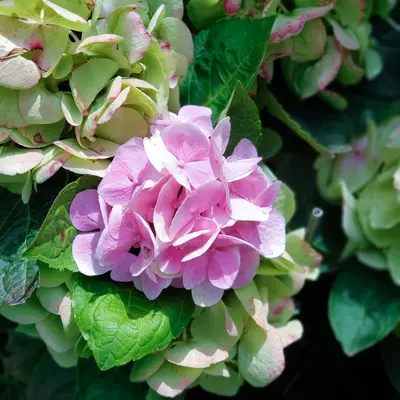
The epitome of old-fashioned garden romance, these climbing beauties produce intensely fragrant ruffled flowers that perfume the entire garden on cool mornings. Their sweet scent and pastel colors make them irresistible for cutting gardens and cottage garden schemes.
Harvest
65-75d
Days to harvest
Sun
Full sun
Zones
2–11
USDA hardiness
Height
3-8 feet
Planting Timeline
Showing dates for Sweet Pea Royal Mix in USDA Zone 7
All Zone 7 flower →Zone Map
Click a state to update dates
Sweet Pea Royal Mix · Zones 2–11
Growing Details
Succession Planting
Sweet peas shut down once daytime highs push consistently past 80°F — in zone 7, that usually means mid-May through early June ends your productive window. Because of that short run, succession planting is worth doing but needs to be compressed: sow a second round indoors around February 15, then direct-sow a third batch outside in early April, about 3 weeks after your first transplants go in. Three staggered plantings across roughly 6 weeks will spread your bloom window by 3-4 weeks instead of getting one big flush and then nothing.
Don't bother pushing a late-summer sowing hoping to catch fall — sweet peas need cool soil to germinate well (ideally below 65°F), and August soil in Georgia won't cooperate. Your fall window opens again with a direct sow in late September to early October, which will overwinter as small seedlings and bloom the following March.
Complete Growing Guide
Sweet Pea Royal Mix thrives when started indoors six to eight weeks before your last spring frost date. Soak the seeds in room-temperature water for 24 hours before sowing, as this encourages germination by softening their hard seed coat. Sow them about a quarter-inch deep in seed-starting mix, keep the soil consistently moist, and maintain temperatures around 60-65°F. Once seedlings develop true leaves, you can transplant them into the garden after the last frost has passed, or direct sow seeds directly into the soil in early spring if you prefer to skip indoor starting. In either case, timing matters greatly since these climbers need cool spring weather to establish strong root systems before summer heat arrives.
Prepare your planting site with well-draining, fertile soil enriched with compost or aged manure. Space seedlings or direct-sown seeds about four to six inches apart along your trellis or support structure. These vigorous climbers will reach 3 to 8 feet depending on your variety's vigor and growing conditions, so provide sturdy support early—they'll begin twining around stakes, strings, or netting within weeks. Plant in a location receiving at least six hours of direct sunlight daily, as light is essential for abundant flowering.
Water consistently throughout the growing season, aiming for about one inch per week through rainfall or irrigation. Keep the soil evenly moist but never waterlogged, as this variety is susceptible to root rot and fusarium wilt, especially in poorly drained conditions. Apply a balanced fertilizer every two weeks once flowering begins, but avoid over-feeding with nitrogen, which encourages foliage at the expense of blooms. Pinch out the growing tips when seedlings are about six inches tall to encourage bushier plants with more flowering stems.
The Royal Mix is particularly prone to powdery mildew, especially as temperatures warm in mid-summer. Ensure good air circulation around plants, water at the soil level rather than overhead, and watch for the telltale white coating on leaves. Spider mites and aphids congregate on stressed plants, so regular misting and monitoring helps catch infestations early. Slugs can devastate seedlings, so protect young plants with barriers or hand-pick pests in early morning hours.
One critical mistake gardeners make with Sweet Pea Royal Mix is failing to deadhead spent flowers regularly. Continuous removal of faded blooms extends the flowering season significantly—sometimes into early autumn—whereas allowing seed pods to develop signals the plant to stop flowering. Harvest flowers early in the morning when stems are fully hydrated for maximum vase life and fragrance. Succession plant every two to three weeks for continuous blooms throughout the season, staggering sowings so flowers peak as earlier plantings fade.
Harvesting
Harvest Sweet Pea Royal Mix flowers when the blooms have fully opened with ruffled petals displaying their characteristic pastel hues, yet before they begin to fade or show papery texture on the edges. The flowers should feel crisp and turgid rather than limp when gently squeezed. For maximum fragrance and vase life, pick blooms in early morning after dew dries but before heat stresses the plants. Unlike single-harvest flowers, Sweet Peas reward continuous picking—removing spent blooms and regularly cutting stems for arrangements actually extends the flowering season by preventing seed pod development, encouraging the plant to produce more flowers throughout the 65-75 day bloom period. Cut stems just above a leaf node to promote branching and sustained productivity.
Type: Legume.
Edibility: Sweet pea fruits are inedible and poisonous to humans.
Storage & Preservation
Sweet Pea Royal Mix flowers are grown purely for their ornamental beauty and intoxicating fragrance—never consume any part of these plants as they contain toxic alkaloids. Fresh cut flowers should be placed immediately in cool water and stored in a cool location away from direct sunlight.
For longest vase life, recut stems under running water and change vase water every 2-3 days. Flowers typically last 5-7 days when properly cared for. To preserve their incredible fragrance, harvest flowers at peak bloom and dry them quickly using silica gel or by hanging small bundles in a warm, dry, dark location. Dried sweet pea flowers retain much of their scent for 6-8 months when stored in airtight containers, making them excellent for potpourri and sachets. The papery seed pods that follow can be saved for next year's planting if allowed to fully mature on the vine.
History & Origin
The origins of Sweet Pea Royal Mix trace to the broader Victorian-era popularity of Lathyrus odoratus, which were extensively hybridized during the late 1800s and early 1900s to develop increasingly ruffled flower forms and expanded color ranges. While specific documentation for the "Royal Mix" cultivar designation remains limited, this variety exemplifies the heritage breeding lines developed by major seed companies throughout the twentieth century, particularly those emphasizing cottage garden aesthetics and intensely fragrant characteristics. The "Royal Mix" nomenclature suggests a curated blend of multiple color selections within the established sweet pea breeding tradition, though the exact breeder and introduction year are not definitively documented in readily available horticultural records.
Origin: Southern Italy, Sicily, Crete
Advantages
- +Intensely fragrant flowers perfume the entire garden on cool mornings
- +Ruffled pastel blooms are irresistible for cutting gardens and arrangements
- +Climbing habit makes them ideal for vertical garden space coverage
- +Old-fashioned romantic aesthetic enhances cottage garden design schemes
Considerations
- -Moderately difficult to grow requiring attention to soil drainage
- -Susceptible to powdery mildew, root rot, and fusarium wilt diseases
- -Vulnerable to aphids, spider mites, and slugs requiring pest management
Companion Plants
Marigolds (especially Tagetes patula) and Calendula are the most practical companions here — both attract parasitic wasps that prey on aphids, which are the single most persistent pest on sweet peas. Nasturtiums pull double duty: they act as an aphid trap crop, drawing colonies away from your sweet peas, and they stay low enough not to compete for the vertical space your 3-8 foot vines need. Alyssum planted along the front edge brings in hoverflies, another aphid predator, and it doesn't share root depth or water demands with a deep-rooted legume.
Sunflowers are the companion to skip — their roots release allelopathic compounds, and in our zone 7 Georgia gardens they shoot up fast enough to throw full shade on sweet peas right at the end of their cool-season run. Black walnut is the harder stop: juglone toxicity can reach well beyond the drip line, and legumes as a family are among the more sensitive to it. If you've got a walnut on the property, put sweet peas on the opposite side of the yard and don't look back.
Plant Together
Marigolds
Repel aphids, whiteflies, and other pests that commonly attack sweet peas
Nasturtiums
Act as trap crops for aphids and cucumber beetles, drawing pests away from sweet peas
Alyssum
Attracts beneficial insects like hoverflies and parasitic wasps that control sweet pea pests
Lavender
Repels moths and other flying insects while attracting pollinators
Cornflowers
Attract beneficial insects and provide complementary blue colors to sweet pea blooms
Beans
Fix nitrogen in soil which sweet peas can utilize, both being legumes with similar growing habits
Calendula
Attract beneficial insects and may help deter aphids and other soft-bodied pests
Cosmos
Attract beneficial insects and provide structural diversity without competing for resources
Keep Apart
Black Walnut
Releases juglone toxin which inhibits growth and can kill sweet peas
Sunflowers
Compete heavily for nutrients and water, and may release allelopathic compounds
Eucalyptus
Releases allelopathic compounds that inhibit germination and growth of sweet peas
Pests & Disease Resistance
Resistance
Susceptible to powdery mildew and root rot in hot, humid conditions
Common Pests
Aphids, spider mites, slugs
Diseases
Powdery mildew, root rot, fusarium wilt
Troubleshooting Sweet Pea Royal Mix
What you'll see, why it happens, and what to do about it.
White powdery coating on leaves and stems, usually showing up once temperatures climb past 70°F and nights are still cool
Likely Causes
- Powdery mildew (Erysiphe pisi) — a fungal disease that thrives in warm days combined with high humidity and poor airflow
- Planting too close together; at 4-6 inch spacing you need good air movement, not a packed wall of vines
What to Do
- 1.Strip and trash (don't compost) the worst-affected leaves immediately
- 2.Spray remaining foliage with a diluted potassium bicarbonate solution or a 1:9 baking soda/water mix — early morning so leaves dry before nightfall
- 3.Next season, thin to the wider end of the 6-inch spacing and keep vines tied up so they don't bunch against each other
Wilting on sunny afternoons even when soil is moist, with yellowing or browning starting at the base of the plant around weeks 4-6
Likely Causes
- Fusarium wilt (Fusarium oxysporum) — soil-borne pathogen that blocks water uptake through the vascular tissue; once you see this, the root system is already compromised
- Root rot from Phytophthora or Pythium species if the soil has been consistently waterlogged
What to Do
- 1.Pull the affected plant entirely — it won't recover, and leaving it in place spreads the pathogen
- 2.Drench surrounding soil with a 3% hydrogen peroxide solution to slow spread, then improve drainage before replanting
- 3.Don't replant sweet peas or other legumes in that bed for at least 3 years; rotate to a non-host crop like brassicas
Ragged holes chewed in leaves and flower buds overnight, with slime trails visible in the morning
Likely Causes
- Slugs (Deroceras reticulatum most commonly) — they feed at night and hide under mulch or debris during the day
- Cool, wet spring conditions that keep soil surface moist well into the morning
What to Do
- 1.Set out iron phosphate bait (Sluggo is the common brand) around the base of plants at dusk — it's safe around pets and breaks down into the soil
- 2.Pull back any thick mulch within 3 inches of stems to eliminate daytime hiding spots
- 3.Hand-pick at night with a headlamp for 3-4 consecutive evenings to knock the population down fast
Frequently Asked Questions
How long do Sweet Pea Royal Mix take to bloom from seed?▼
Can you grow Sweet Pea Royal Mix in containers?▼
Are Sweet Pea Royal Mix flowers poisonous?▼
When should I plant Sweet Pea Royal Mix seeds?▼
Why won't my Sweet Pea Royal Mix germinate?▼
How do you keep Sweet Pea Royal Mix blooming longer?▼
Zone-by-Zone Planting Calendar
| Zone | Indoor Start | Transplant | Direct Sow | Harvest |
|---|---|---|---|---|
| Zone 3 | April – May | June – July | June – August | — |
| Zone 4 | March – April | June – June | June – July | — |
| Zone 5 | March – April | May – June | May – July | — |
| Zone 6 | March – April | May – June | May – July | — |
| Zone 7 | February – March | April – May | April – June | — |
| Zone 8 | February – March | April – May | April – June | — |
| Zone 9 | January – February | March – April | March – May | — |
| Zone 10 | January – January | February – March | February – April | — |
| Zone 1 | May – June | July – August | July – September | — |
| Zone 2 | April – May | June – July | June – August | — |
| Zone 11 | January – January | January – February | January – March | — |
| Zone 12 | January – January | January – February | January – March | — |
| Zone 13 | January – January | January – February | January – March | — |